
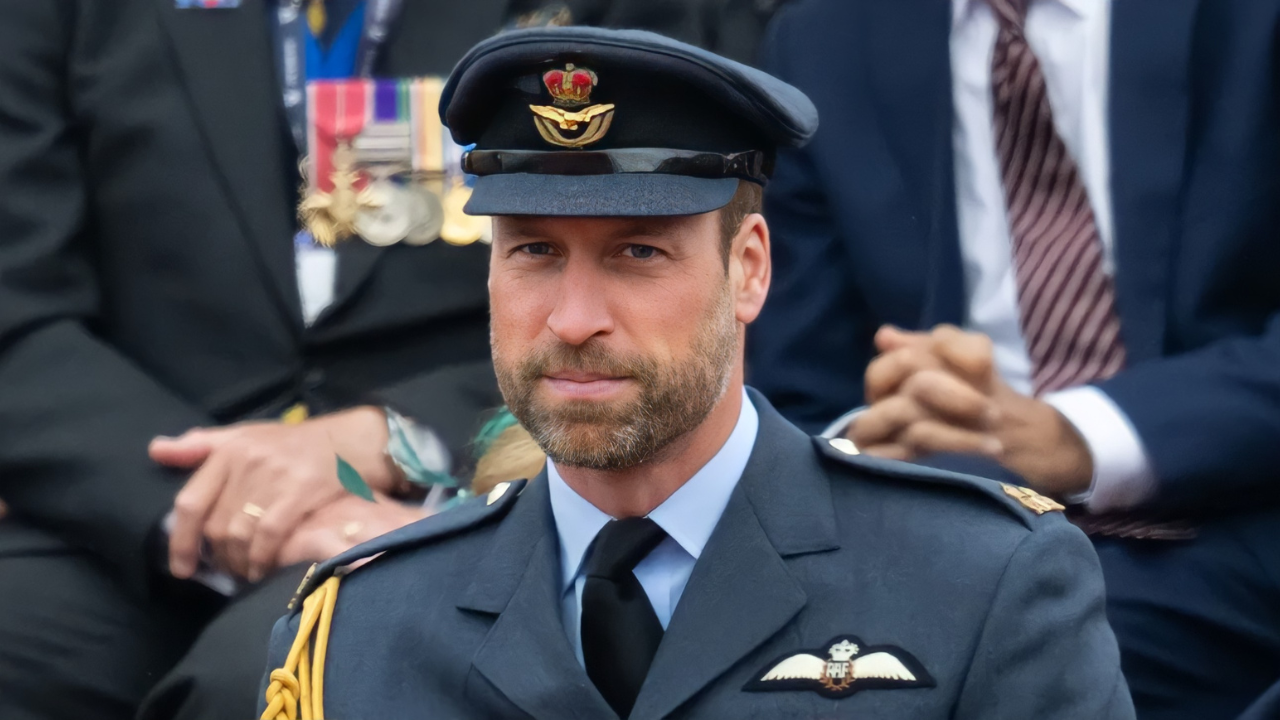
Prince William is preparing for a radically streamlined monarchy when he eventually becomes King William V, with plans for a smaller circle of “working royals” and the removal of princely styles from relatives who do not perform official duties. His vision builds on a century of gradual reform and comes at a time when public support for the Crown is weakening, and demands for relevance are increasing.
William’s Modernizing Vision
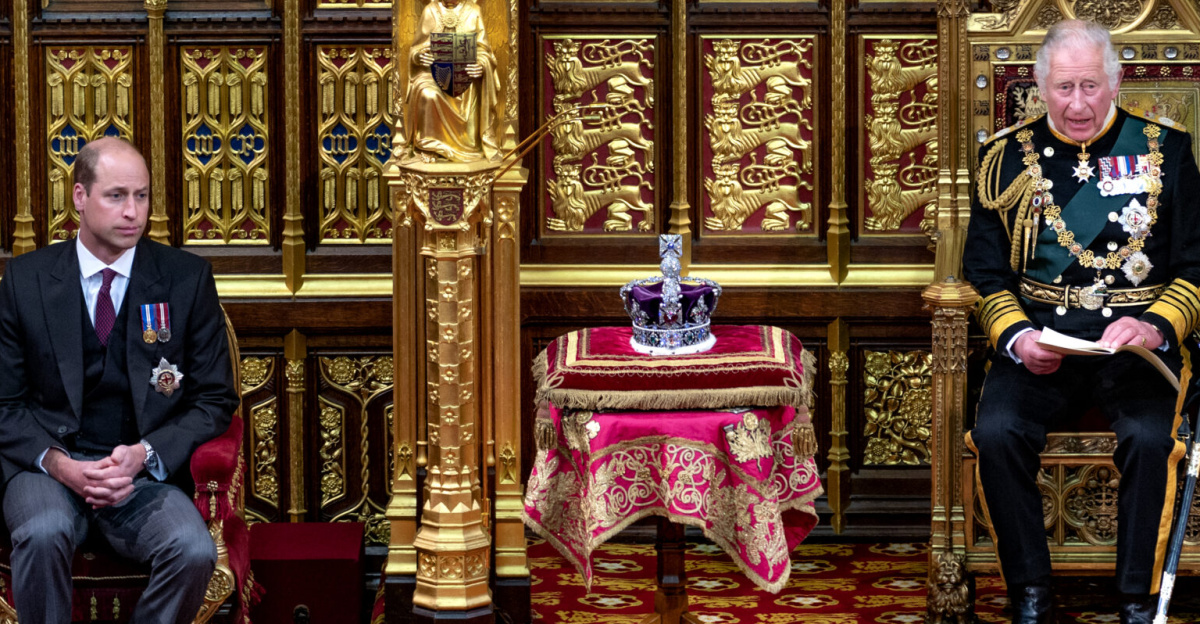
William has spoken repeatedly about wanting a “purpose-driven” institution that demonstrates tangible value to the public. He has described his goal as creating a world in which his son can be proud of what the royal family does and one that “actually does impact people’s lives for the better.” He has also been explicit that he does not fear change, saying he embraces it and sees it as necessary if the monarchy is to remain justified in modern society.
That outlook shapes his approach to tradition: William has said he wants to question long‑standing practices and retain only those that are “fit for purpose today.” In practice, this means maintaining core ceremonial occasions and state functions, while reassessing inherited privileges, titles, and routines that no longer match public expectations. His focus on issues such as climate, homelessness, and mental health is part of the same effort to anchor the Crown’s role in visible public service rather than symbolism alone.
From George V to a Slimmed-Down Court
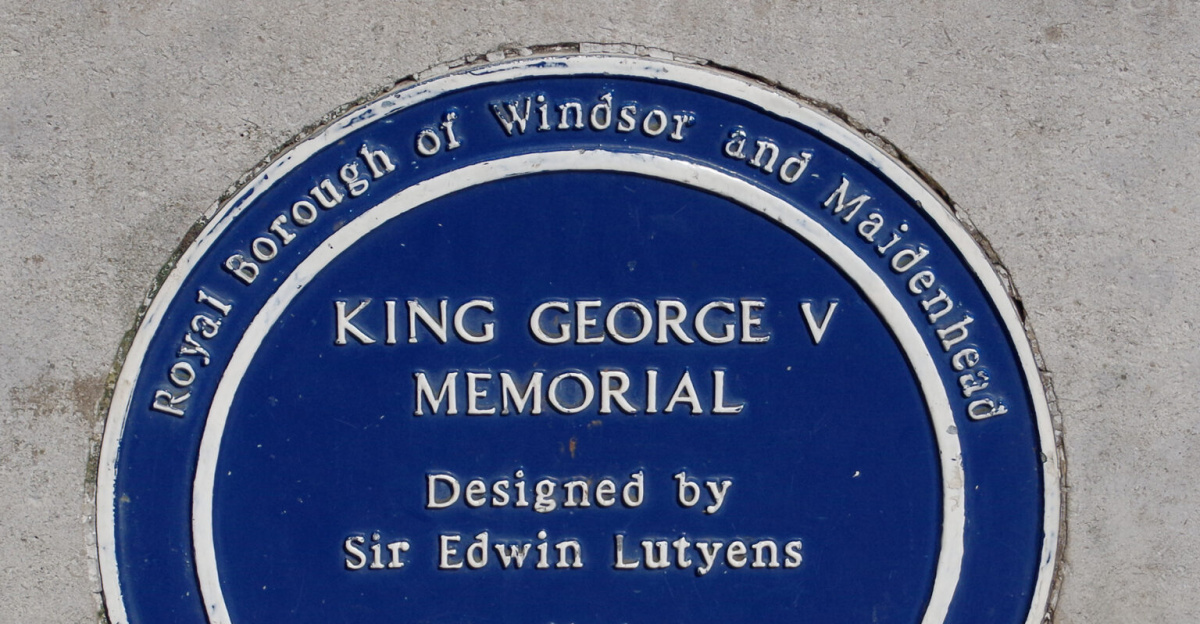
The last major reset of royal titles came in 1917, when King George V issued formal letters patent during World War I to narrow who could be styled “Royal Highness” or prince and princess. That change limited full royal status to the monarch’s children and the direct line of succession, cutting back the wider family’s use of those titles. Later in the 20th century, Queen Elizabeth II reinforced the practice of reserving the HRH style mainly for those with active public roles.
William’s proposed reforms would go further than either of those steps, making them the most sweeping redefinition of titles in more than a hundred years. Early in his reign, he is expected to issue new letters patent that would remove HRH and princely styles from family members who are not part of the working core. The same legal instrument, exercised under the royal prerogative and endorsed through established constitutional channels, would allow him to reshape the structure of the royal house without passing new legislation.
Who Could Lose Titles – And Why
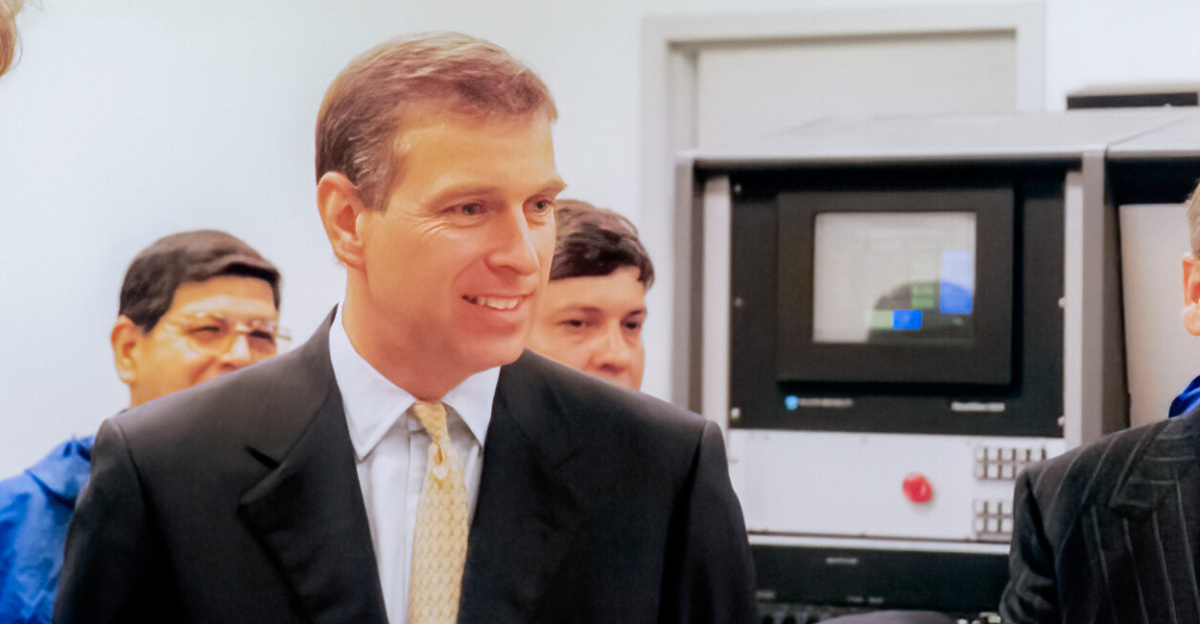
Under the outline being discussed, non‑working royals who currently retain HRH or prince/princess titles would likely be affected. That group is understood to include Prince Andrew; his daughters Princess Beatrice and Princess Eugenie, who already pursue professional careers outside full‑time royal duty; and Prince Harry and his children, Archie and Lilibet. William has also signaled that even his own children might not use full royal styles in daily life until they reach adulthood and take on defined roles.
The rationale is twofold: first, to align status more closely with service, and second, to reduce the cost and complexity of the institution. William has argued that concentrating on a “handful of core projects” and a smaller group of senior figures would mean fewer staff and lower costs for taxpayers. A tighter structure would also mirror developments in other European monarchies, such as Denmark’s decision in 2022 to remove princely titles from four of Queen Margrethe II’s grandchildren, and similar moves in Sweden and Norway to keep only a slim circle of active royals.
Public Opinion, Political Pressure, and Family Tensions
William’s agenda unfolds against a backdrop of shifting public attitudes. Polls indicate that overall support for the monarchy has fallen to roughly half of its historic levels, with a sharp generational divide: younger adults are more inclined to favor an elected head of state, while older age groups remain strongly in favor of retaining the Crown. Regional data add an extra layer of complexity, with opinion in Scotland and Wales tilting more toward republican preferences than in England, where most respondents still back the monarchy.
Inside the family, the strategy is already generating friction. William is reported to be unhappy with perceived compromises over Prince Andrew’s status under King Charles and determined to take a firmer line once he is sovereign. Commentators and insiders warn that removing titles from long‑known public figures may create resentment and “awkwardness” among those affected. At the same time, some of these relatives, such as Beatrice and Eugenie, have already begun to build careers in fields like finance and the arts, illustrating how former full‑time royals can transition into business, philanthropy, or media while remaining in the line of succession.
Future of the Crown
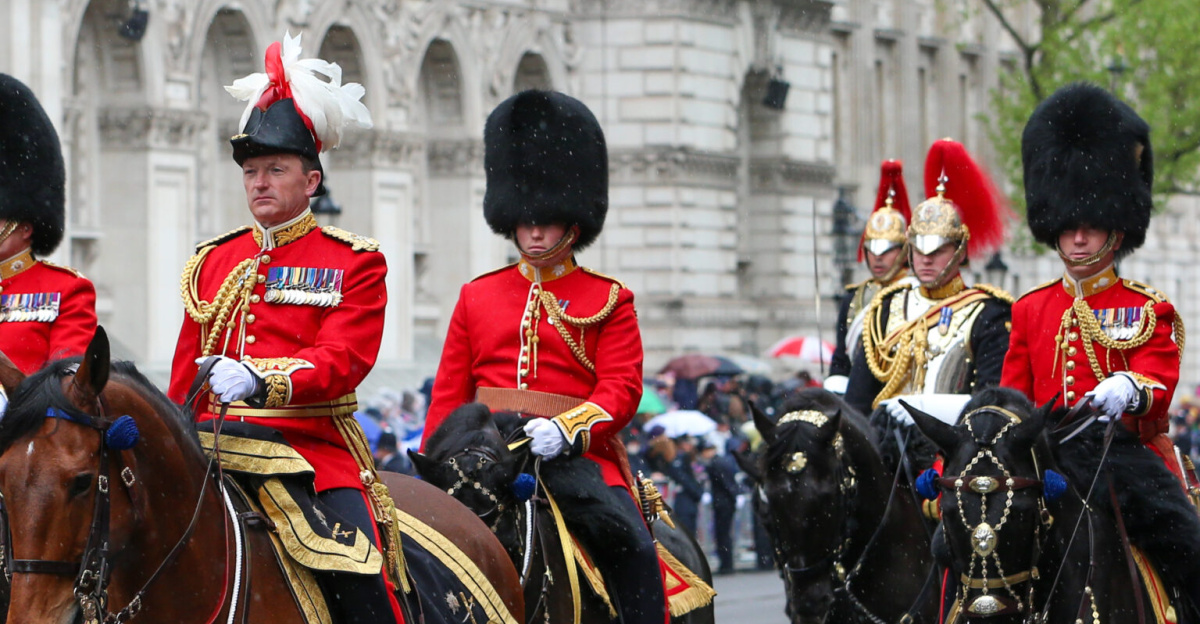
William’s reform plans are part of a broader cultural shift toward a monarchy that emphasizes accountability, service, and financial restraint over hereditary privilege. By extending earlier efforts to limit HRH styles for non‑working family members and bringing the British royal house closer to the lean models seen elsewhere in Europe, he aims to show that the institution can adapt to contemporary values. At the same time, questions remain over whether a smaller royal family can preserve the mystique and ceremonial weight that have traditionally underpinned the Crown’s “dignified” image.
How the public, politicians, and extended family respond to title changes and a reduced court will shape the next phase of Britain’s constitutional monarchy. If William succeeds in balancing tradition with reform, he could help secure the institution’s place in a more skeptical age; if the changes are seen as either too timid or too harsh, they may intensify debates over the monarchy’s future. The coming years, and ultimately his reign, will determine whether this strategy of slimming down and refocusing can maintain public trust while honoring centuries of royal continuity.

