

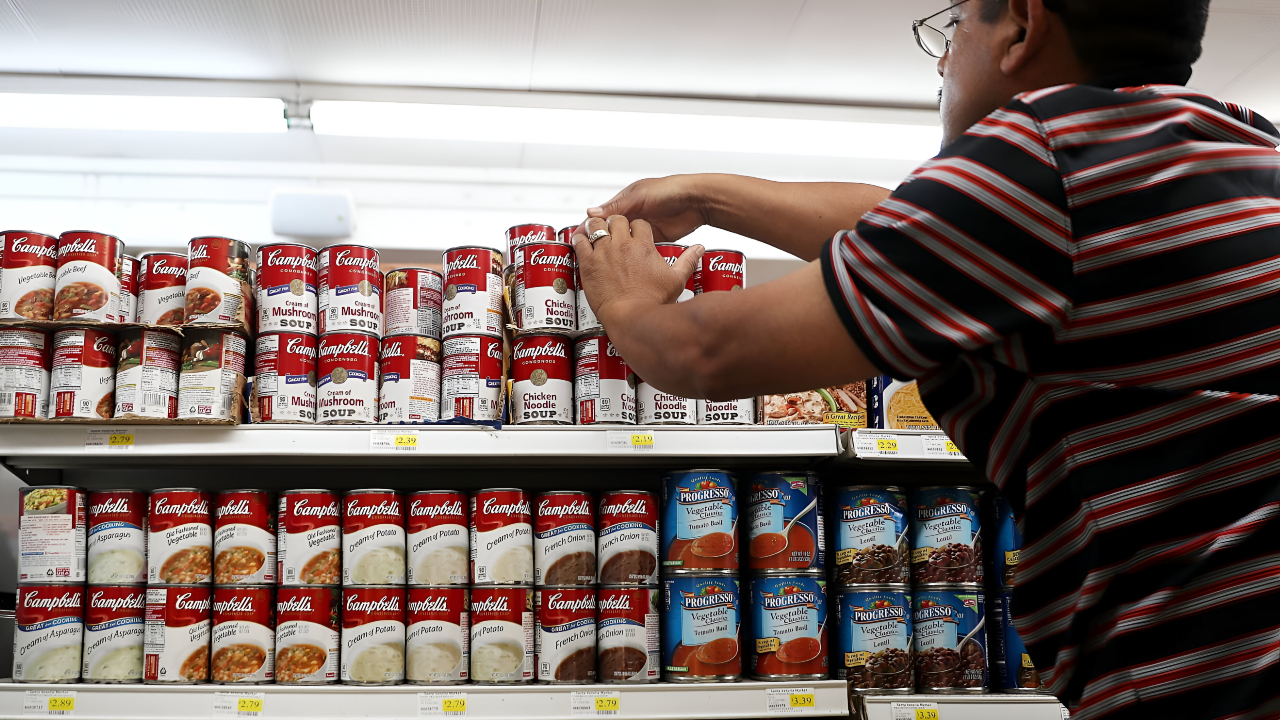
Campbell’s Soup Company faced a sudden market shock after a leaked audio recording allegedly captured a senior executive making derogatory comments about customers and employees. The scandal, unfolding over four days in late November 2025, wiped $310 million off the company’s market value in a single day.
The revelations triggered regulatory scrutiny, investor concern, and calls for consumer boycotts. “Poor people” remarks and derogatory comments about Indian staff allegedly attributed to the executive exposed serious flaws in the company culture. Here’s what’s happening.
The Recording Sparks Controversy
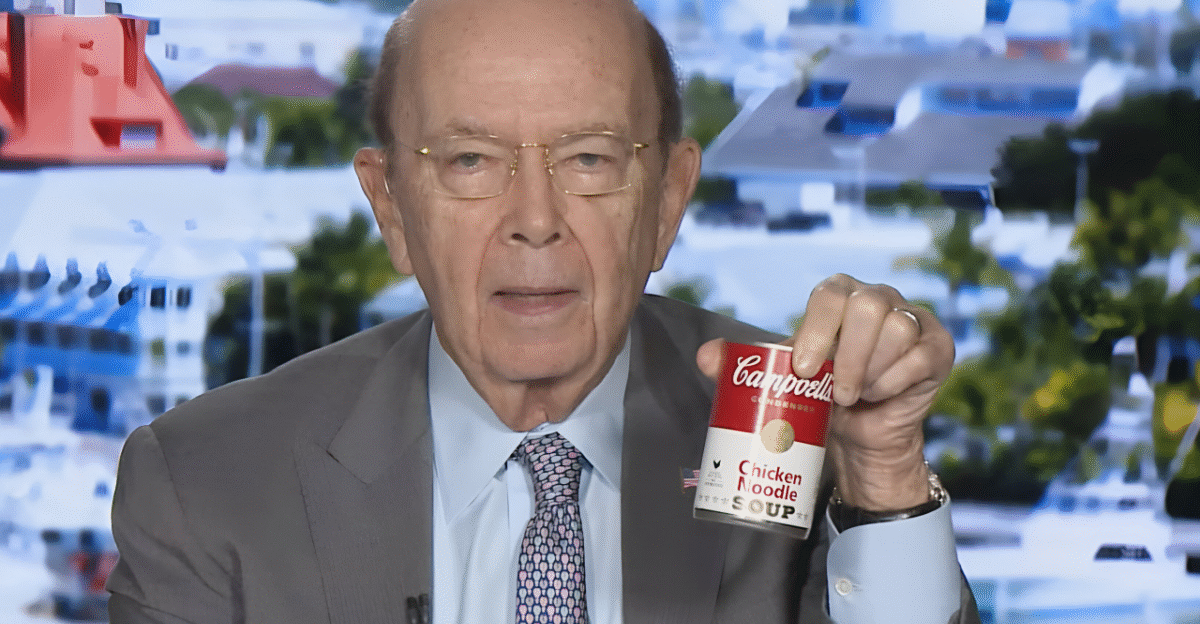
On November 24, 2025, WDIV (NBC Detroit) broadcast an audio recording allegedly capturing Martin Bally, Campbell’s Vice President and Chief Information Security Officer, making offensive remarks about the company’s customers and employees. The recording reportedly included comments describing Campbell’s products as food for “poor people” and disparaging references to Indian staff members, as well as admissions of workplace drug use.
Robert Garza, a former cybersecurity analyst hired in September 2024, recorded the conversation during a salary review and filed a lawsuit in Wayne County Circuit Court on November 20, 2025, naming Bally and J.D. Aupperle, Director of Cybersecurity Operations, as defendants. The disclosure quickly attracted widespread media attention and heightened public scrutiny of the company.
Whistleblower’s Struggle
Garza reported Bally’s comments to Aupperle on January 10, 2025, but the manager allegedly failed to escalate the matter to human resources or suggest further action. Just twenty days later, Garza was terminated from his role. He described the experience as devastating, noting it took him ten months to find new employment.
By preserving the recording and eventually sharing it with media outlets, Garza set in motion events that shook both consumer trust and investor confidence. His actions highlighted potential gaps in Campbell’s internal reporting processes and raised questions about executive accountability.
Market Fallout and Financial Impact
Campbell’s stock closed at $31.66 per share on November 21, 2025. After the recording became public on November 24, shares fell 3.32 percent to $30.61, erasing $310 million in market capitalization across 298 million outstanding shares. Bally was placed on administrative leave the same day and terminated on November 26.
This single-day loss compounded broader financial challenges. Year-to-date, Campbell’s had lost $3.44 billion in market value due to tariffs, declining snack product demand, and competition from private-label brands. Major investors like BlackRock and Vanguard, holding millions of shares, experienced substantial exposure, prompting portfolio adjustments and signaling concern over corporate governance.
Corporate Response and Investigation
Campbell’s acted swiftly to mitigate damage. Bally’s employment was terminated on November 26, and the company issued statements defending its products and ingredient sourcing. Officials emphasized Bally’s role in information technology, noting he had no involvement in food production decisions, and refuted claims regarding “3D printed meat” as “patently absurd.” All chicken used in Campbell’s products comes from USDA-approved U.S. suppliers.
Florida Attorney General James Uthmeier announced an investigation on November 24 into the company’s product practices, citing the 3D-printed meat claims and state restrictions on lab-grown meat. No findings had been released by late November, leaving regulatory scrutiny ongoing.
Broader Implications
The scandal reverberated across Campbell’s workforce of approximately 13,700 employees, raising concerns about workplace culture and accountability, particularly for underrepresented staff. Consumers questioned ingredient transparency and executive integrity, prompting social media campaigns calling for boycotts.
While online activism generated significant attention, real-world participation in boycotts typically remains limited. Nevertheless, the incident underscores how quickly executive misconduct can escalate through digital channels, amplifying internal governance failures into public crises. For Campbell’s, the combination of executive missteps and existing financial pressures presents a complex challenge for rebuilding trust.
Conclusion
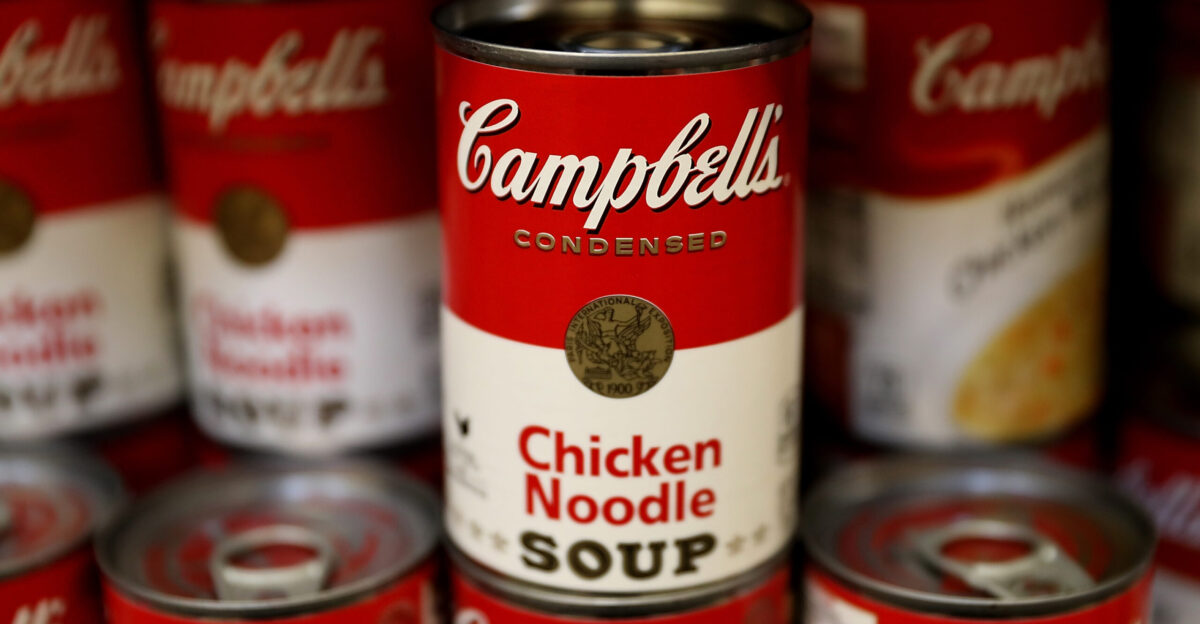
Campbell’s faces a critical period in restoring both investor confidence and employee trust. The scandal highlights the importance of strong corporate governance, transparent reporting channels, and proactive internal oversight. Investors, employees, and consumers alike will closely monitor how the company addresses cultural and ethical shortcomings.
Moving forward, Campbell’s recovery depends on demonstrating accountability, reinforcing workplace inclusivity, and maintaining product integrity. The episode serves as a cautionary tale of how executive behavior can directly affect market value, corporate reputation, and stakeholder trust. Ethical leadership may now be as essential to Campbell’s future as its soup recipes.
Sources:
CBS News – Campbell Soup executive lawsuit reporting, November 24, 2025
WDIV (NBC Detroit) – Audio recording broadcast and lawsuit coverage, November 24-25, 2025
NBC News – Campbell’s executive termination reporting, November 26, 2025
Wayne County Circuit Court – Lawsuit filing and court records, November 20, 2025
NYSE/NASDAQ Finance Data – Campbell Soup Company stock price history, January-November 2025
Florida Attorney General Office – Public statement regarding Consumer Protection investigation, November 24, 2025
Campbell’s Company official statements – Corporate response and ingredient sourcing clarification, November 24-26, 2025

