
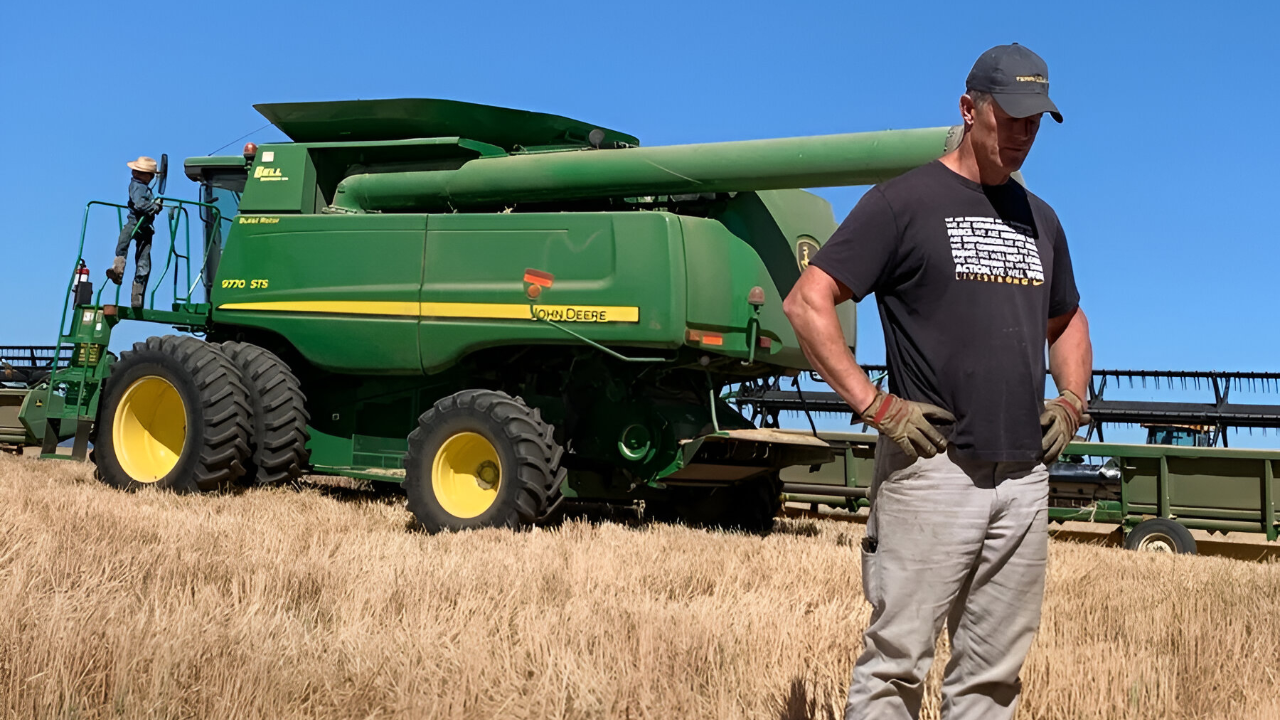
Hansen-Mueller Co., a Nebraska grain dealer, stunned the Midwest when it filed for Chapter 11 bankruptcy on 17 November 2025. CEO Josh Hansen explained, “A court-supervised process is the most effective way to achieve an orderly sale of our assets for the benefit of our creditors, employees, and all stakeholders.”
Farmers, cooperatives, and agribusinesses across 34 states suddenly faced unpaid claims, raising urgent questions about recoveries, operations, and the wider ripple effects on rural economies.
Now, let’s examine who’s impacted and why.
Who Is Hansen-Mueller Co.?
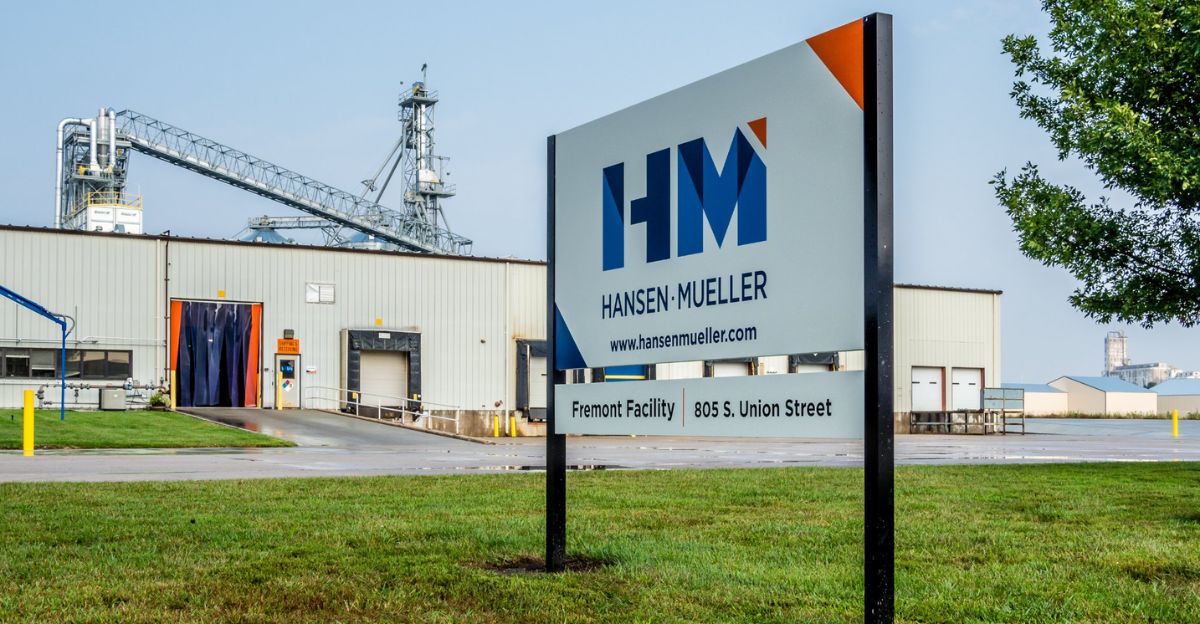
Hansen-Mueller operates nine grain elevators, four port terminals, and a processing mill across the Midwest. Trading offices are located in Toledo, Omaha, Salina, Kansas City, Tallulah, and Alabaster.
CEO Josh Hansen and CRO Michael Compton lead the company through restructuring. The firm employs approximately 120 staff members post-filing, maintaining essential operations while under court supervision. But the complete creditor list shows a far broader impact.
Who Are The Creditors?
Unsecured creditors range from 1,000 to 5,000 entities across 34 states. Farmers alone include 38 Nebraskans owed $2.1 million, alongside Iowa, Texas, Minnesota, Wisconsin, and other Midwest states.
Top agribusinesses include Viterra Canada ($4.7 million), Cargill ($2.6 million), and Archer Daniels Midland. Government agencies and other suppliers also face unpaid claims, revealing the financial ripple across multiple sectors.
What Triggered The Filing?
Hansen-Mueller filed under Chapter 11 to facilitate an orderly asset sale while preserving business operations. Total liabilities and assets range from $100 million to $500 million.
Secured lenders, led by BMO Harris Bank with $50.9 million owed, support debtor-in-possession financing. Meanwhile, unsecured creditors wait for distributions, uncertain how much they will recover. But how did the company reach this critical point?
Timeline Before Bankruptcy
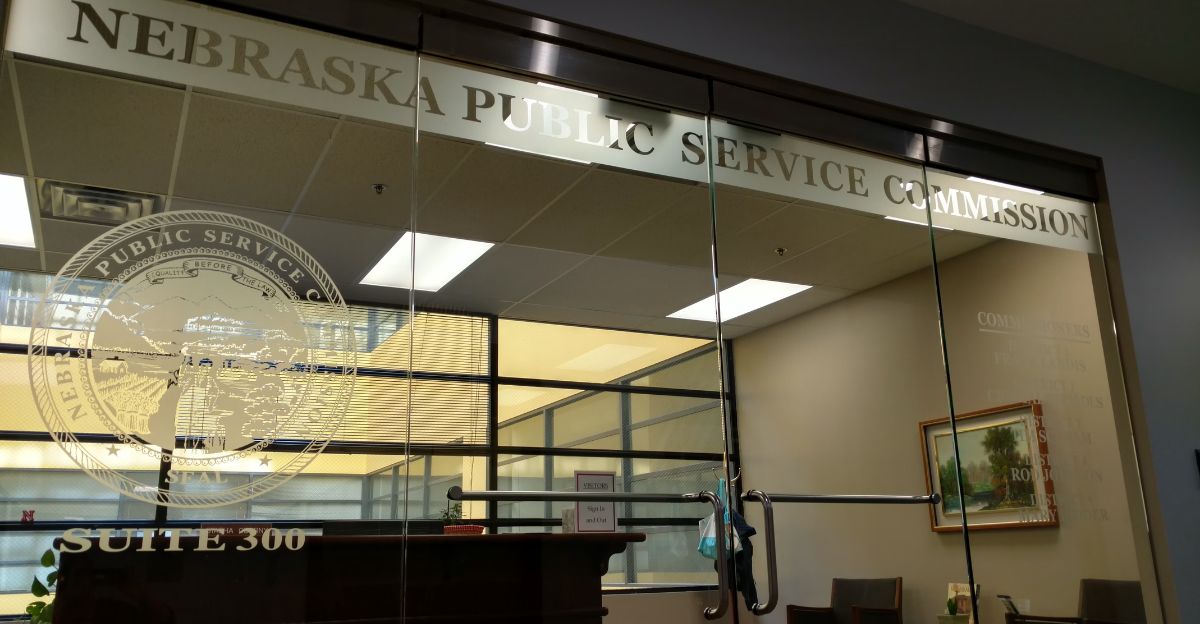
From August to October, farmers reported unpaid deliveries. On 24 October, the Nebraska PSC suspended Hansen-Mueller’s grain dealer license after identifying 38 farmers owed $2.1 million.
License suspension halted Nebraska operations and diverted executive attention to regulatory compliance. By November 4, the company settled with Nebraska producers and had its license reinstated, but financial pressures remained. Could these early signs predict the broader crisis?
Editor’s note: This article was updated to correct the date of Hansen-Mueller’s license reinstatement. The license was reinstated on November 4, 2025, not November 13, 2025.
Official Bankruptcy Filing
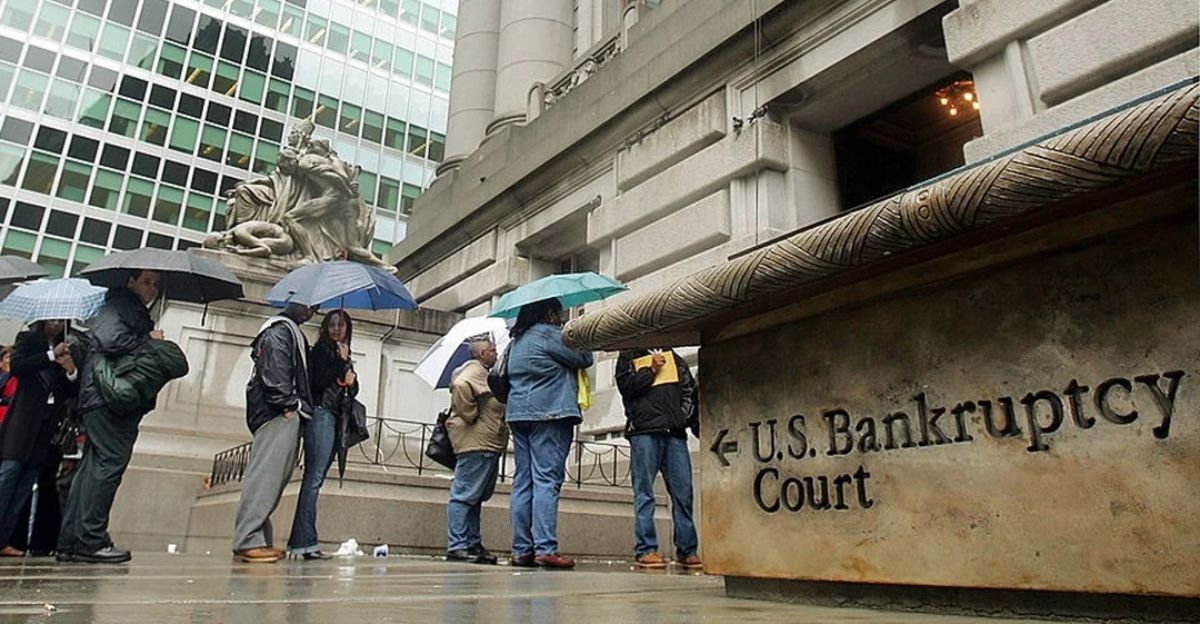
On 17 November, Hansen-Mueller filed a voluntary Chapter 11 petition in the U.S. Bankruptcy Court, District of Nebraska. CEO Josh Hansen stated, “A court-supervised process is the most effective way to achieve an orderly sale of our assets for the benefit of our creditors, employees, and all stakeholders.”
The company continues operations under court supervision, maintaining payroll and supplier obligations while pursuing a sale. The question remains: what led to this financial collapse?
Root Causes: Failed Ventures
According to CRO Michael Compton, Hansen-Mueller suffered $26 million in combined losses from a failed pasta plant conversion and abandoned trading software development between 2017 and 2022.
Additional losses came from inefficient elevator integrations ($10 million) and arbitration disputes ($3.5 million). These failures depleted the company’s working capital, leaving it exposed to market and regulatory shocks. But the impact of tariffs would intensify the crisis.
Tariffs And Export Pressure
Compton noted, “Like many other companies with significant exports, the debtor also has experienced challenges with the president’s tariffs, causing the debtor simply to run out of working capital and, therefore, time.”
U.S. tariffs in 2025 reduced export demand for soybeans and other grains, increasing input costs and compressing margins. These external pressures accelerated financial deterioration, setting the stage for bankruptcy.
License Suspension Crisis
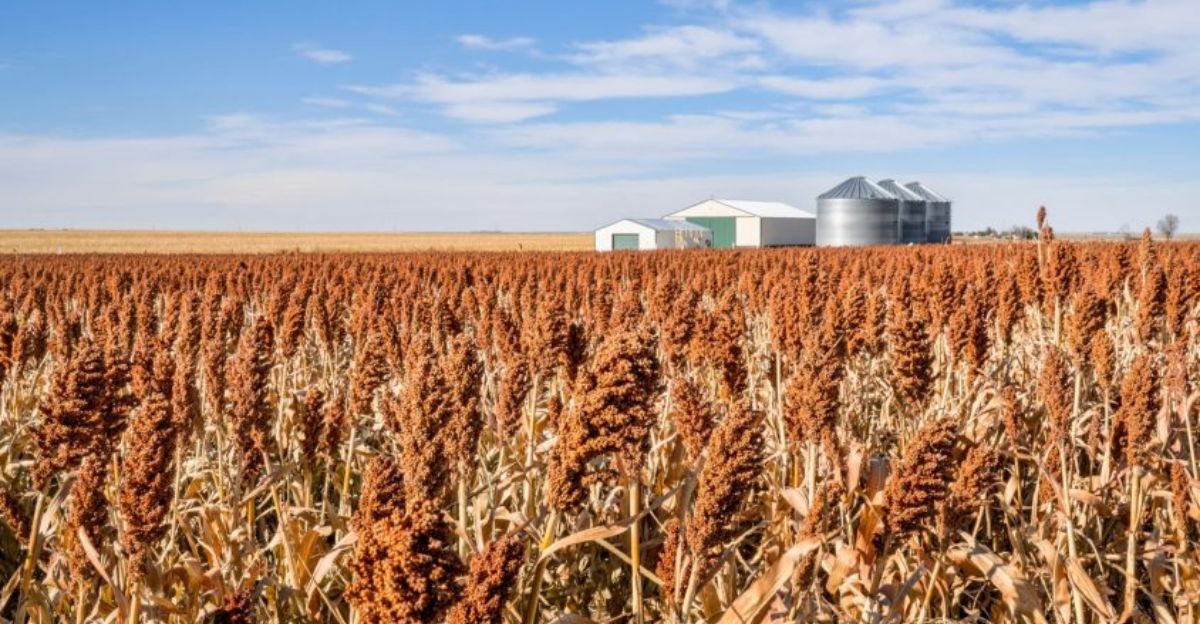
On 24 October 2025, the Nebraska PSC suspended Hansen-Mueller’s license, citing unpaid deliveries. Compton noted the suspension consumed executive attention and resources, distracting from operations and asset sales.
The suspension transformed a manageable problem into an immediate liquidity crisis during peak harvest, leaving little time for financial recovery. How did creditors react to this sudden disruption?
Secured And Unsecured Creditors
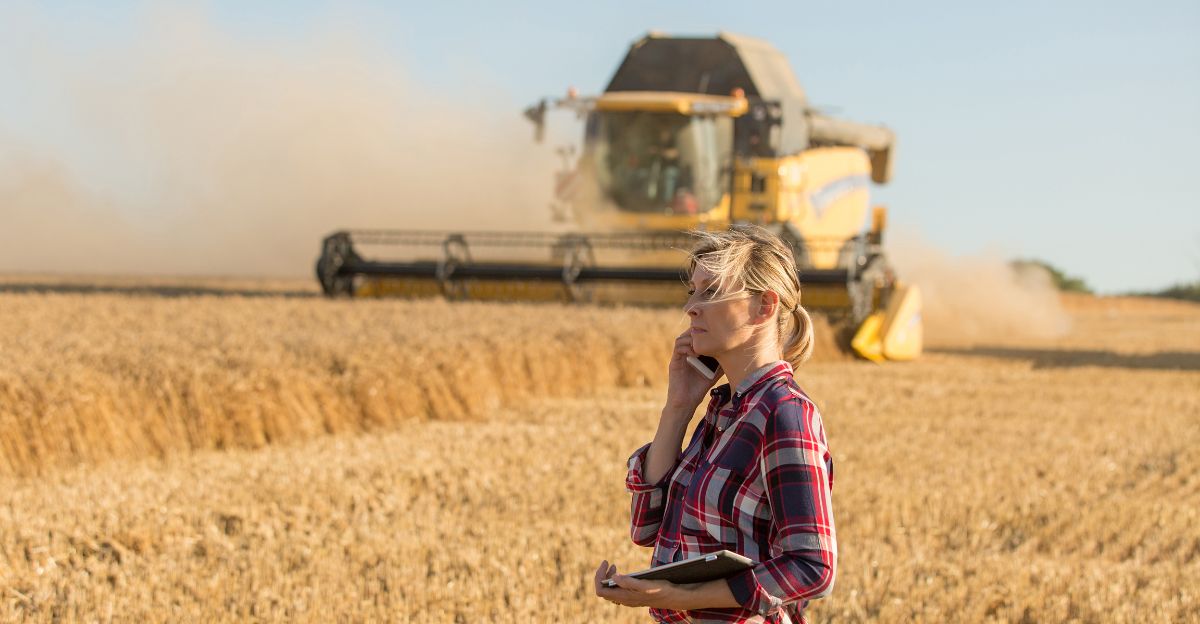
BMO Harris Bank leads as the secured lender, owing $50.9 million. Unsecured creditors, including farmers, cooperatives, and agribusinesses, totaled $20.5 million among the top 20 claims.
Claims span Kansas, Nebraska, Texas, Minnesota, Missouri, and other states. Secured debt takes priority, leaving farmers and smaller suppliers uncertain about recovery. The following slide details the geographic distribution of creditors.
Midwest And Beyond: Impacted States

Kansas (128 creditors) and Nebraska (87) are the most heavily impacted. Texas has 72, Minnesota 62, and Missouri 52, with additional creditors in Oklahoma, Louisiana, Arkansas, Mississippi, Iowa, and Wisconsin.
The bankruptcy footprint spans the Midwest, Great Plains, Lower Mississippi River Valley, and ports in Houston, Duluth, and Superior. Creditors face differing recovery prospects depending on location. Could state indemnity funds ease losses?
State Indemnity Funds

Iowa provides up to 90% coverage per claim, capped at $400,000, with a filing deadline of March 17, 2026. Minnesota’s fund, created in 2023, is undergoing its first significant test.
Texas offers no indemnity fund; Wisconsin farmers face a high risk of non-recovery. State programs partially mitigate losses, but uncertainty remains for multi-state creditors. What about operational continuity?
Operational Assets And Cash
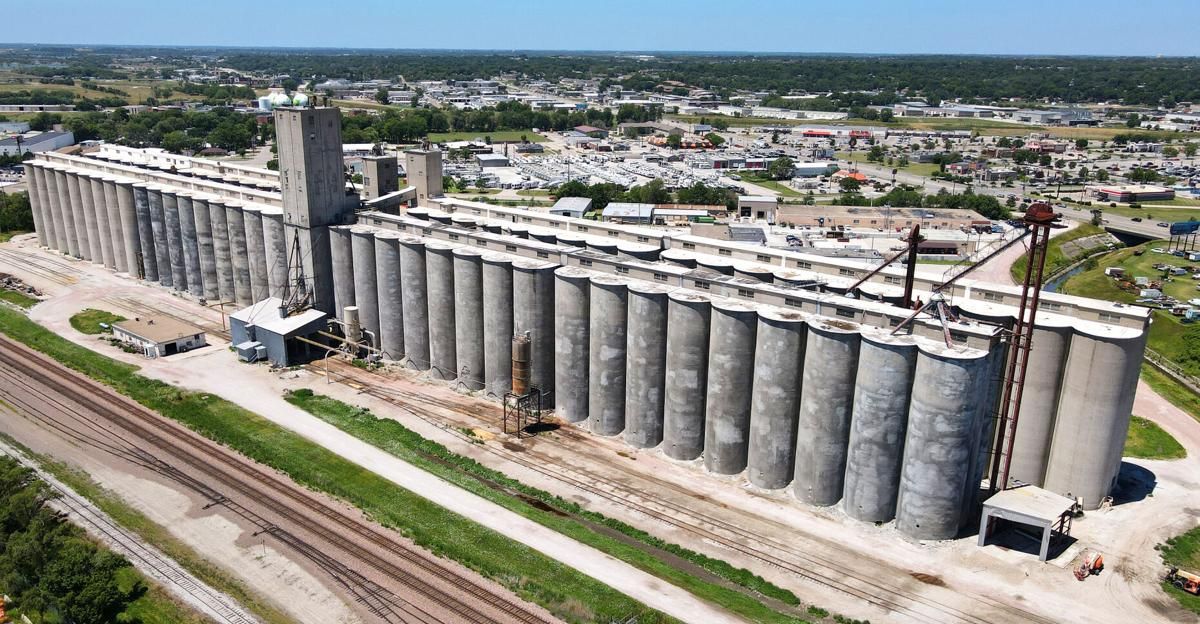
Hansen-Mueller maintains nine grain elevators, four port terminals, and a processing mill. Cash on hand at the time of filing was $6 million, with $50.8 million in operating credit.
The company continues payroll and essential expenses. Maintaining these assets ensures a viable sale process under Section 363; however, competition among potential buyers will ultimately determine the recovery outcomes.
Bankruptcy Mechanism

Chapter 11 allows the company to operate as a debtor-in-possession. Management continues under court supervision, preserving going-concern value while restructuring debt or selling assets.
Section 363 sales enable expedited asset transfer without full plan confirmation. Over 30 potential buyers have been identified. Will competitive bidding maximize returns for creditors and ensure operational security?
Unsecured Creditors Committee
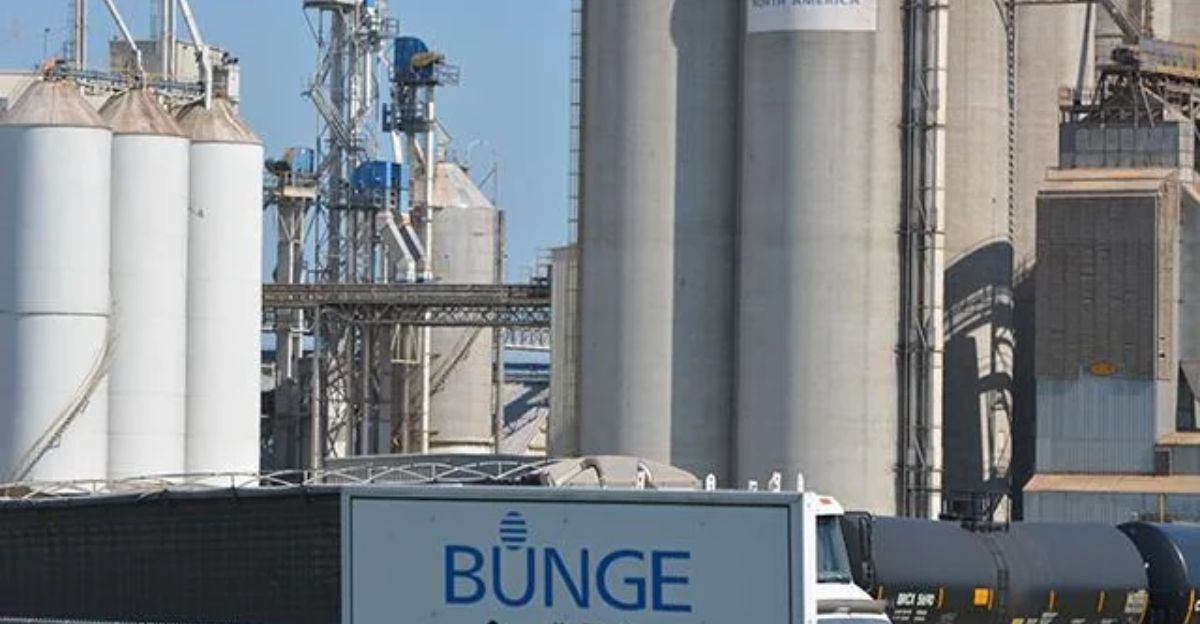
Seven major unsecured creditors represent all 1,000 to 5,000 claimants, including Bunge Canada, AgMark LLC, and CoMark, among others.
The committee oversees finances, consults on asset sales, hires advisors, and approves asset sale terms. This collective approach increases transparency but does not guarantee full recovery. How will the asset sale unfold?
Claims Filing Process

Federal claims deadline: 26 January 2026. Farmers must submit Proof of Claim Form 410. Iowa indemnity claims deadline: 17 March 2026.
Proper documentation, including delivery receipts, warehouse records, contracts, and payment proofs, is essential. Incomplete claims may be denied or reduced. Filing carefully could be the difference between partial and total recovery. How much will farmers ultimately receive?
Recovery Projections

If assets sell near $100M, unsecured creditors may recover 10%-20% of claims. If closer to $500M, recovery could approach 80%-100%.
Industry analysts expect typical recovery rates to be between 30% and 60%. State indemnity funds can supplement these amounts, especially in Iowa and Minnesota, though uncertainty remains. The actual outcome depends on the competitive Section 363 bidding process.
Supply Chain Ripple Effects
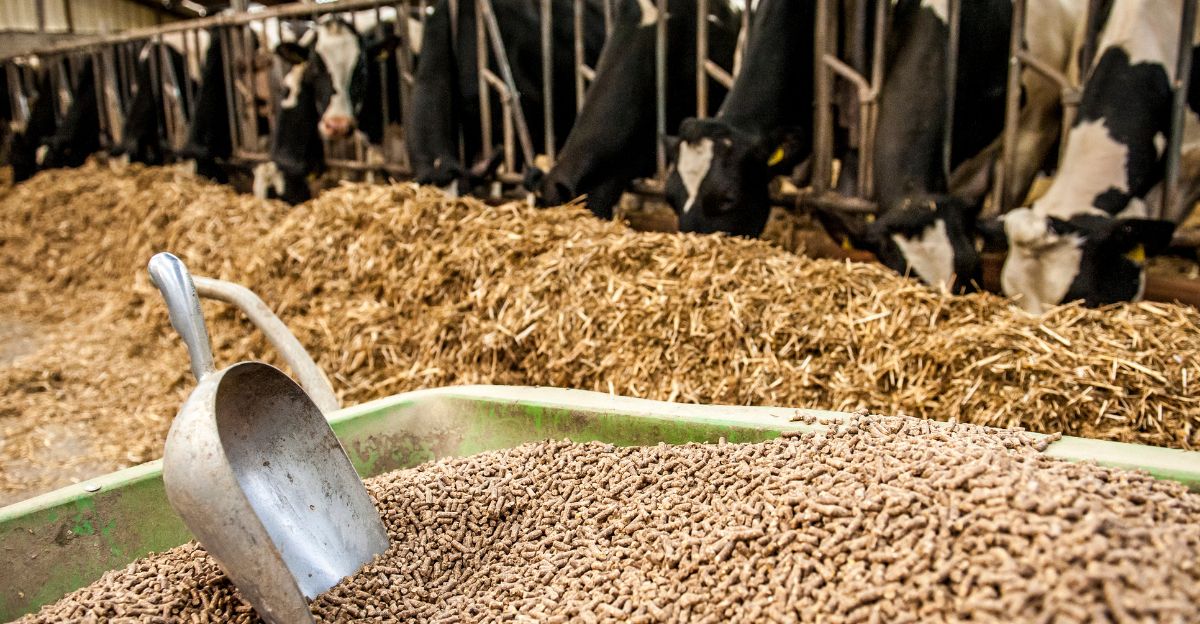
Hansen-Mueller’s bankruptcy disrupts animal feed production, livestock operations, and food manufacturers across the Midwest.
Farm supply retailers and lenders face reduced cash flow and delayed repayments. Freight, logistics, and export partners may temporarily lose business. Consumers could see indirect food price effects. How long these disruptions last depends on the speed of asset sales.
Rural Economic Impact

Farm bankruptcies in 2025 have already surpassed the totals for 2024. Smaller agricultural suppliers and service providers face liquidity crises, cascading layoffs, and potential closures.
County and school district tax revenues may decline as distressed land is sold. Younger and smaller-scale farmers are most vulnerable, possibly accelerating consolidation in the agricultural sector. Can Midwest communities recover quickly?
Looking Ahead: Sale And Restructuring
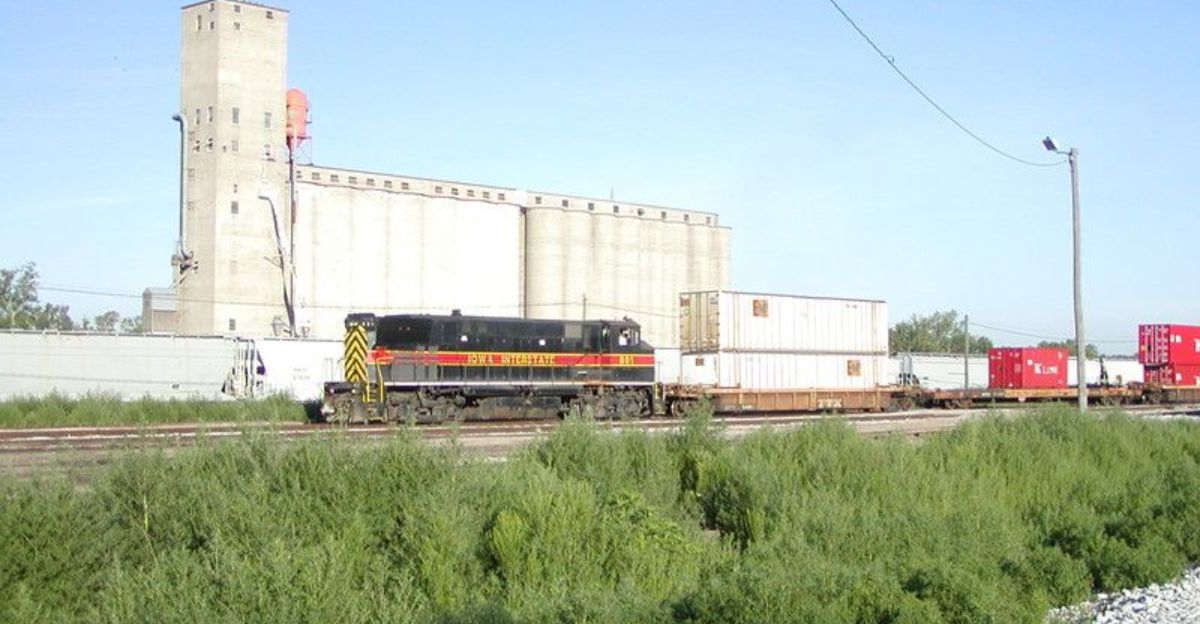
Hansen-Mueller aims to complete the Section 363 sale by early 2026. Chapter 11 plan confirmation and distribution to creditors will follow.
Farmers and suppliers must closely monitor filings and claim status. The pace of recovery hinges on buyer interest and court supervision. Even months from now, some outcomes remain uncertain.
Lessons From Nebraska
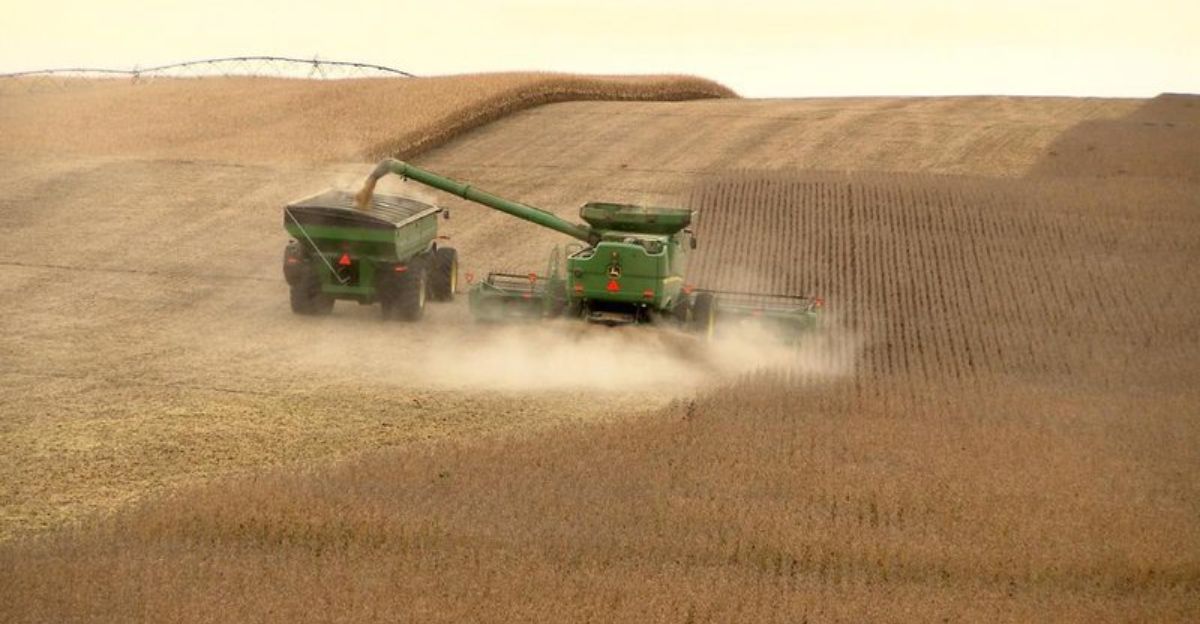
Hansen-Mueller’s bankruptcy highlights how operational missteps, failed ventures, tariffs, and regulatory issues can converge into a systemic shock.
While secured creditors may recover most of their claims, unsecured creditors, such as farmers, cooperatives, and suppliers, face partial, delayed, or state-dependent recovery. The ripple effects underscore vulnerabilities in rural supply chains and agricultural finance systems.
Sources
U.S. Bankruptcy Court, District of Nebraska, Case No. 8:25-bk-81226
Nebraska Public Service Commission license suspension and reinstatement orders, 2025
Hansen-Mueller Co. press release, 17 November 2025
Iowa Department of Agriculture and Land Stewardship, Indemnity Fund notice, 2025
DTN/Progressive Farmer reports, November 2025

