
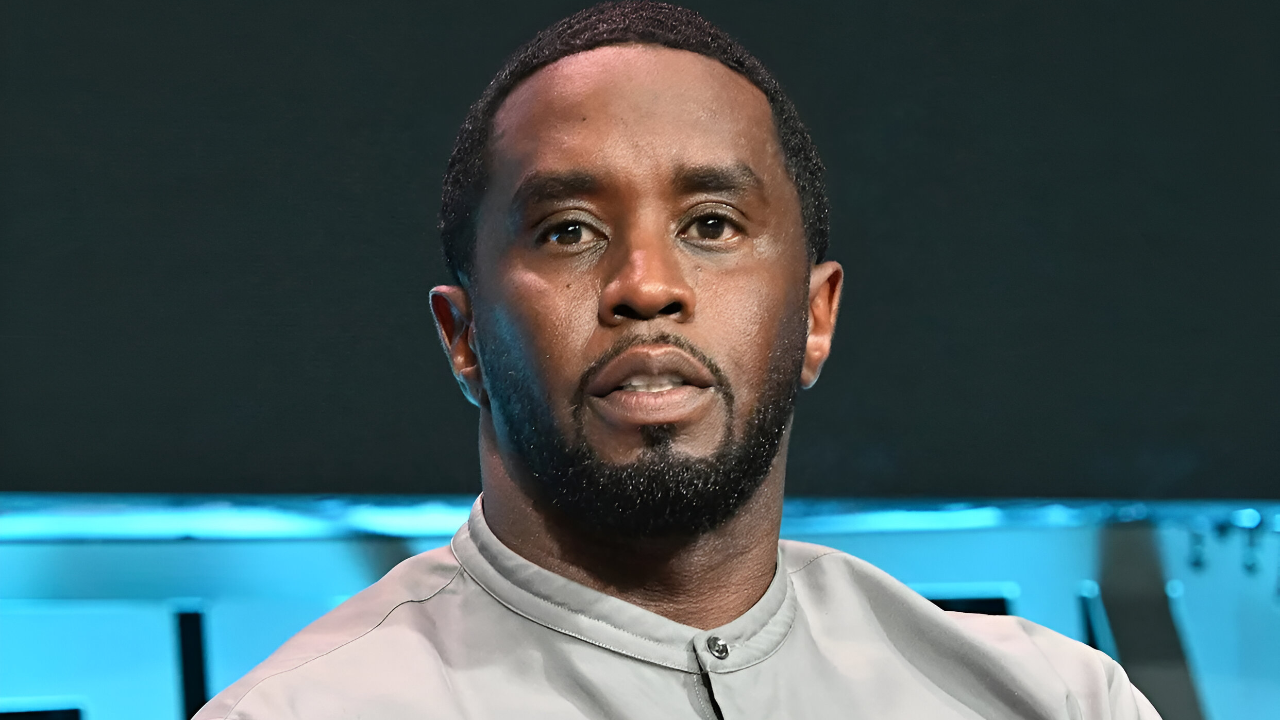
In the days before his arrest in September 2024, Sean “Diddy” Combs sat in a hotel room, speaking candidly with his lawyer on a video call he believed was private. Nearly a year later, parts of that conversation and other personal footage now appear in a four-part Netflix series, “Sean Combs: The Reckoning,” sparking a fierce dispute over consent, attorney-client confidentiality, and who controls the narrative of his downfall.
Inside Diddy’s Final Days of Freedom
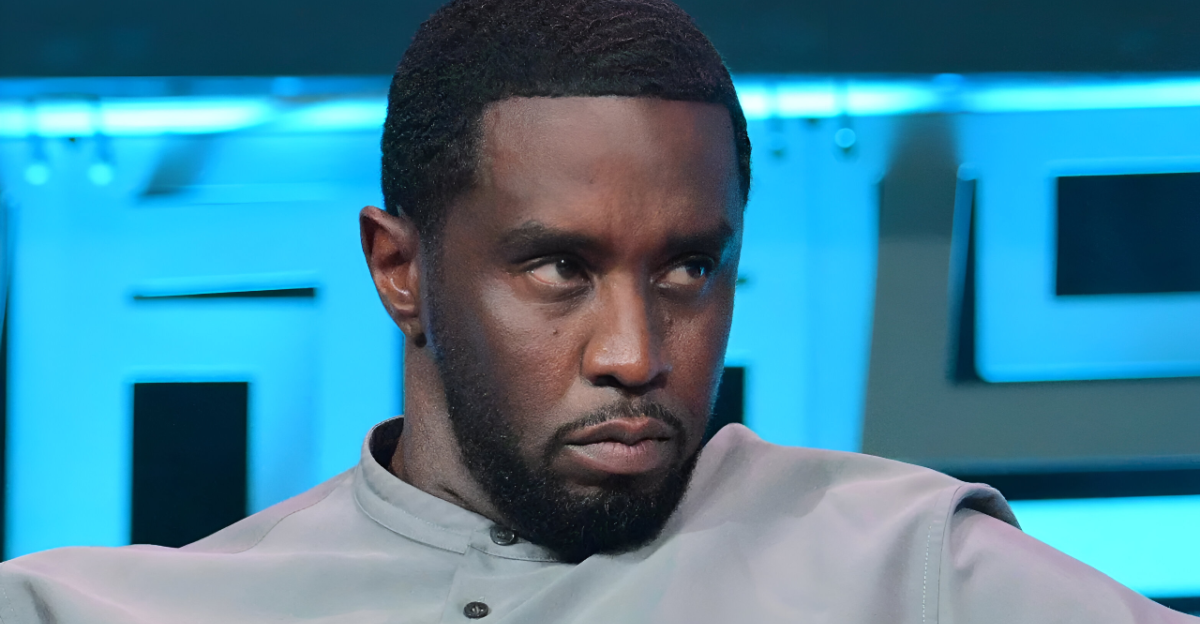
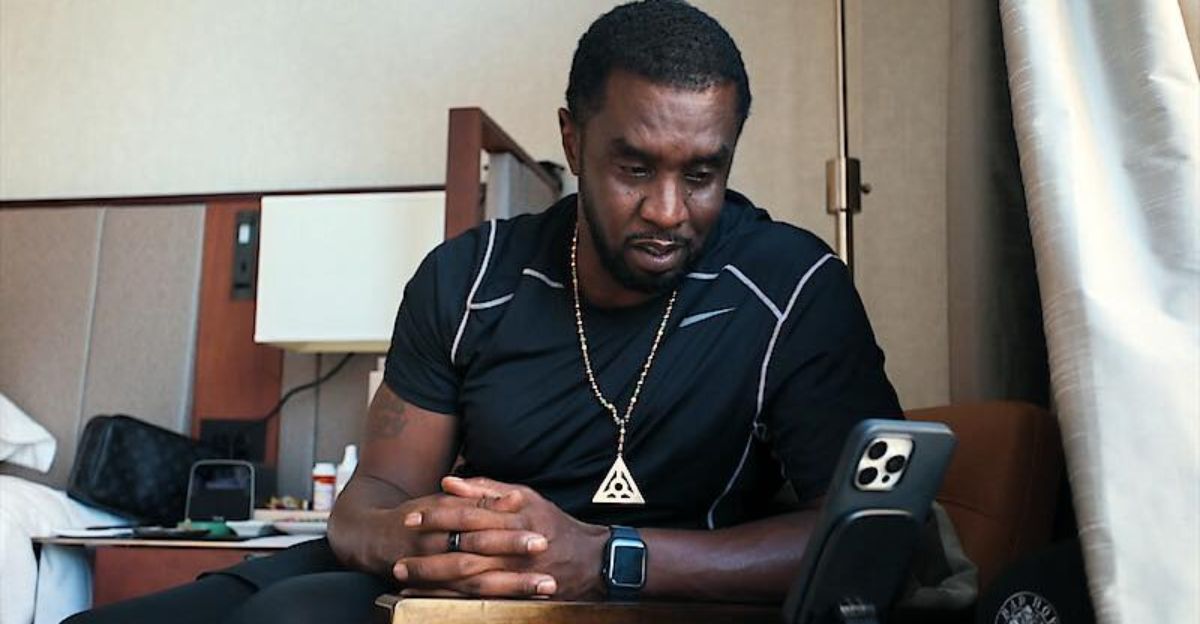
The Netflix series opens a window into Combs’ state of mind just six days before federal agents took him into custody on September 16, 2024. On a September 10 call with defense attorney Marc Agnifilo, Combs criticized his legal team’s media strategy and admitted he felt “we are losing,” describing himself as an “exemplary client” yet deeply uneasy about being advised not to speak publicly. He told his lawyer he was “waiting for something bad to happen,” as he tried to manage a growing crisis around civil suits, looming criminal charges, and public scrutiny. Viewers now see these moments in real time, presented as his last hours of relative freedom while he phoned family members and attempted to recalibrate a defense strategy he feared was failing.
An Old Feud Moves to Streaming
“Sean Combs: The Reckoning” is produced by Curtis “50 Cent” Jackson, Combs’ long-time rival in the music business. Their feud dates back to the mid-2000s and has played out through contract disputes, online taunts, and public mockery as Combs’ legal troubles mounted. Netflix has now placed Jackson in a central role as executive producer, giving a former adversary a powerful platform to shape a multi-hour account of Combs’ career and criminal exposure. Jackson has said publicly that speaking out is necessary so that audiences do not interpret silence from the industry as acceptance of Combs’ alleged conduct. The streaming release therefore arrives not only as a documentary portrait of one man’s legal crisis, but also as a high-profile extension of a long-running personal and professional clash.
Allegations Stretching Back to Tupac
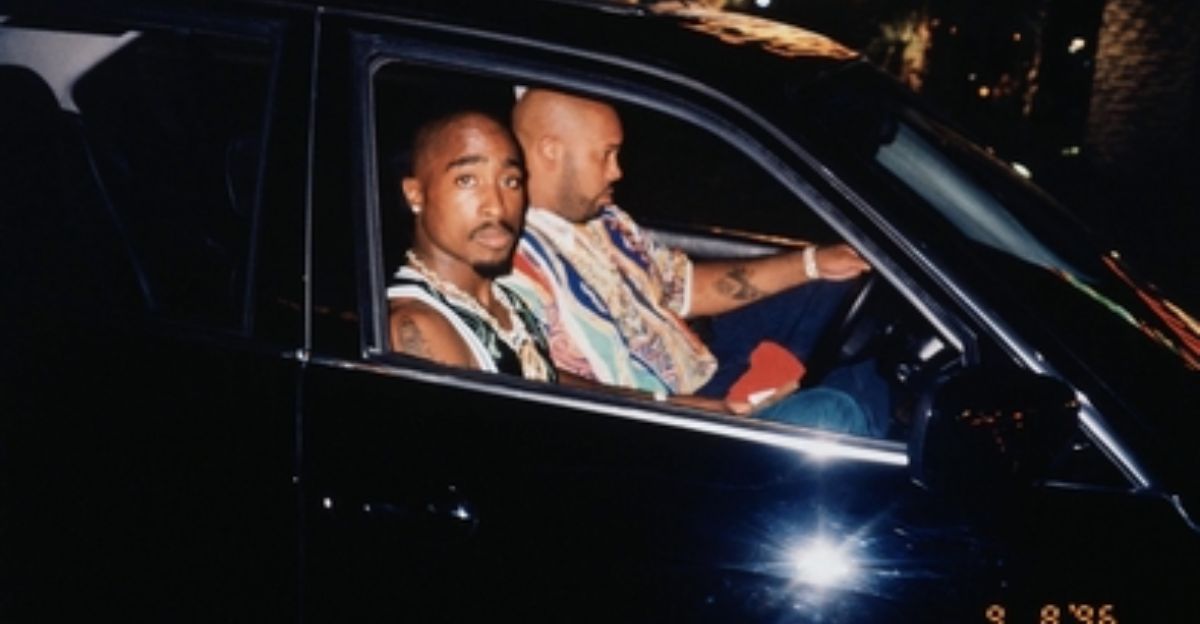
The series also revisits one of hip-hop’s most enduring and contentious mysteries: the 1996 murder of Tupac Shakur. It highlights long-circulating allegations that Combs offered South Los Angeles gang figure Duane “Keffe D” Davis $1 million to kill Shakur and Death Row Records co-founder Suge Knight. Davis, charged in 2023 in connection with the killing, is currently scheduled to go on trial in August 2026, placing the documentary’s claims against the backdrop of an active murder prosecution. Combs has repeatedly and emphatically denied involvement in Shakur’s death. Yet the program gives prominent space to those who believe otherwise, including Bad Boy Records co-founder Kirk Burrowes, who states on camera that he thinks Combs “had a lot to do with the death of Tupac.” Burrowes has separately accused Combs in civil court of sexual abuse, coercion, and long-term career sabotage, adding another layer to a fractured partnership that once helped define 1990s rap.
Cassie Ventura, Civil Suits, and a Crucial Video
A central through-line in the series is Combs’ relationship with singer Cassie Ventura. In November 2023, Ventura filed a lawsuit alleging rape and years of physical and sexual abuse before the parties reached a swift, confidential settlement. Those claims returned to public view in 2025 during Combs’ criminal trial, when prosecutors presented hotel surveillance footage from 2016 that showed him assaulting Ventura in a Los Angeles corridor. Jurors later cited the video as some of the most powerful evidence they saw, and it contributed to his July 2025 conviction on two prostitution-related counts, even as he was acquitted of more serious sex-trafficking and racketeering charges. The program incorporates that same video, together with Ventura’s account, as part of a broader pattern it portrays of alleged control and violence in Combs’ personal and professional life. Two jurors interviewed on camera describe the footage as damning but also express doubts about certain prosecution witnesses and questions about Ventura’s continued contact with Combs after the incident, offering rare insight into the deliberation room.
Privileged Footage and a 36-Year Archive
The most explosive dispute surrounding the series centers on how Netflix obtained its behind-the-scenes material. Combs’ lawyers say the program uses sensitive strategy discussions between their client and Agnifilo that were recorded without authorization and should have remained strictly confidential. They argue this violates bedrock legal protections for private communications between an accused person and counsel, protections intended to apply to anyone facing criminal charges, not only to celebrities. Combs’ representatives further contend that much of the video comes from a personal archive he has amassed since age 19, documenting his life and career over roughly 36 years with the expectation that he would one day tell his own story. In their cease-and-desist letter, they characterize Netflix’s use of the recordings as relying on “stolen” and unlicensed material and stress that a payment dispute between outside parties does not create permission for a global platform to use those files. Netflix and director Alexandria Stapleton maintain that they obtained the footage legally and hold the necessary rights, and they have moved in court to keep the identity of the person who provided the material confidential, citing safety concerns. That clash raises broader questions for public figures and ordinary defendants alike: once intimate moments are captured on camera, who ultimately controls how and where they appear?
A Career Under Legal and Public Scrutiny
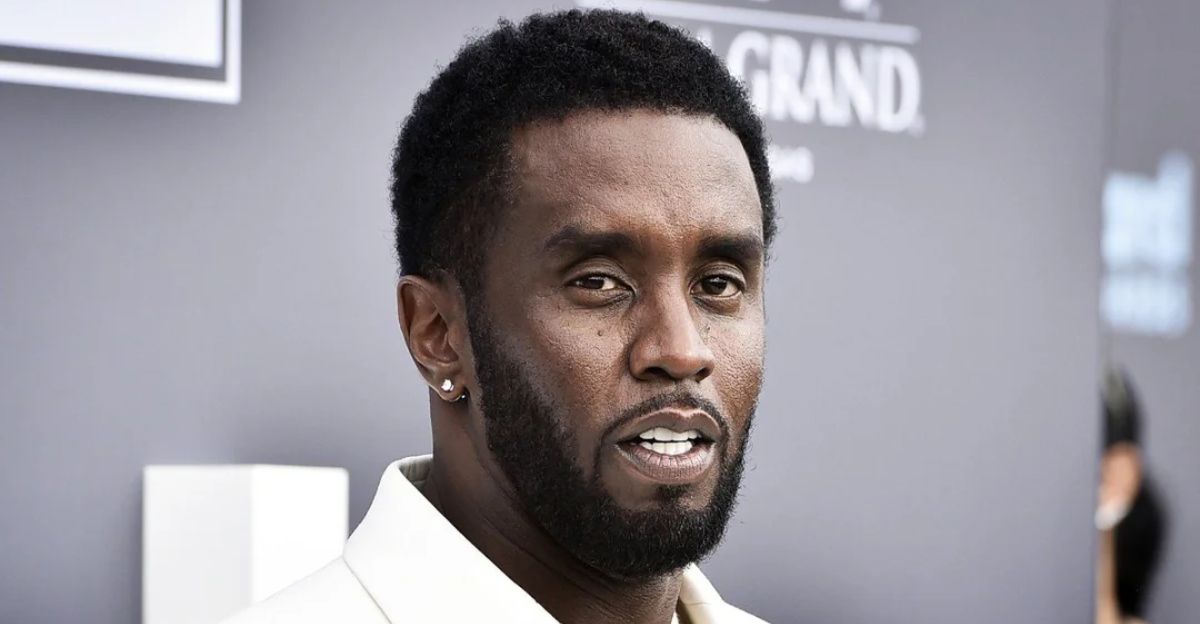
All of this unfolds as Combs, now serving a 50‑month federal sentence at a New Jersey facility, continues to fight his convictions and faces an estimated dozens of civil suits alleging sexual assault, trafficking, physical violence, and related misconduct stretching back years, with some plaintiffs saying the alleged abuse began when they were children. His team has signaled interest in a possible presidential pardon and is pursuing appeals while supporters insist he has been unfairly targeted. The Netflix series arrives in the middle of that process, potentially shaping how potential jurors, future plaintiffs, and the wider public interpret the accusations and evidence. With the upcoming trial of Duane Davis, ongoing civil litigation, and disputes over privileged recordings and personal archives still unresolved, “Sean Combs: The Reckoning” lands less as a final verdict on his legacy than as an early chapter in an evolving legal and cultural battle over power, accountability, and narrative control.
Sources
Netflix Tudum: Sean Combs: The Reckoning series page and release details
CNN: Cease-and-desist letter from Combs’ lawyers over alleged “stolen” footage
Reuters: Sentencing coverage confirming 50-month prison term (Oct. 3, 2025)
CBS News: Verdict coverage confirming acquittals on trafficking/racketeering and convictions on two prostitution-related counts

