
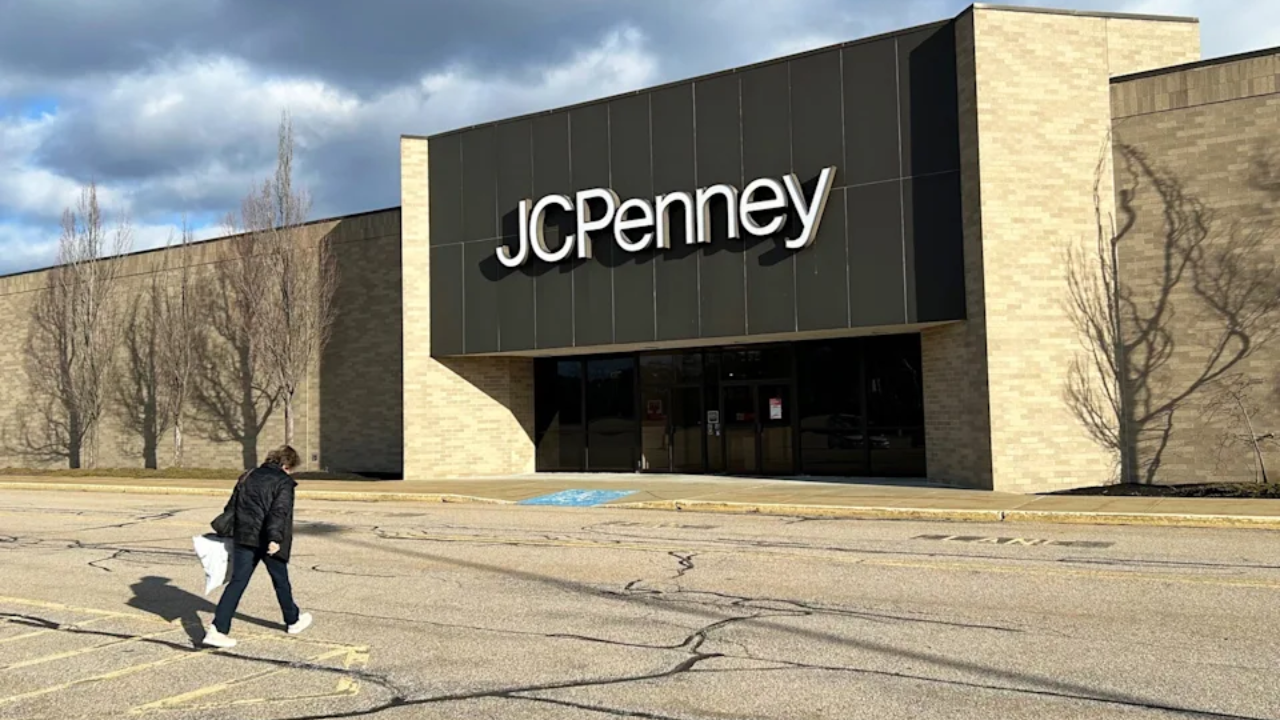
The United States is witnessing an unprecedented contraction in physical retail, with more than 15,000 stores projected to close by the end of 2025—the most significant wave of shutdowns since the pandemic. This transformation extends far beyond empty storefronts, fundamentally altering how Americans access goods, employment, and essential services across the country.
The Perfect Storm of Economic Pressures
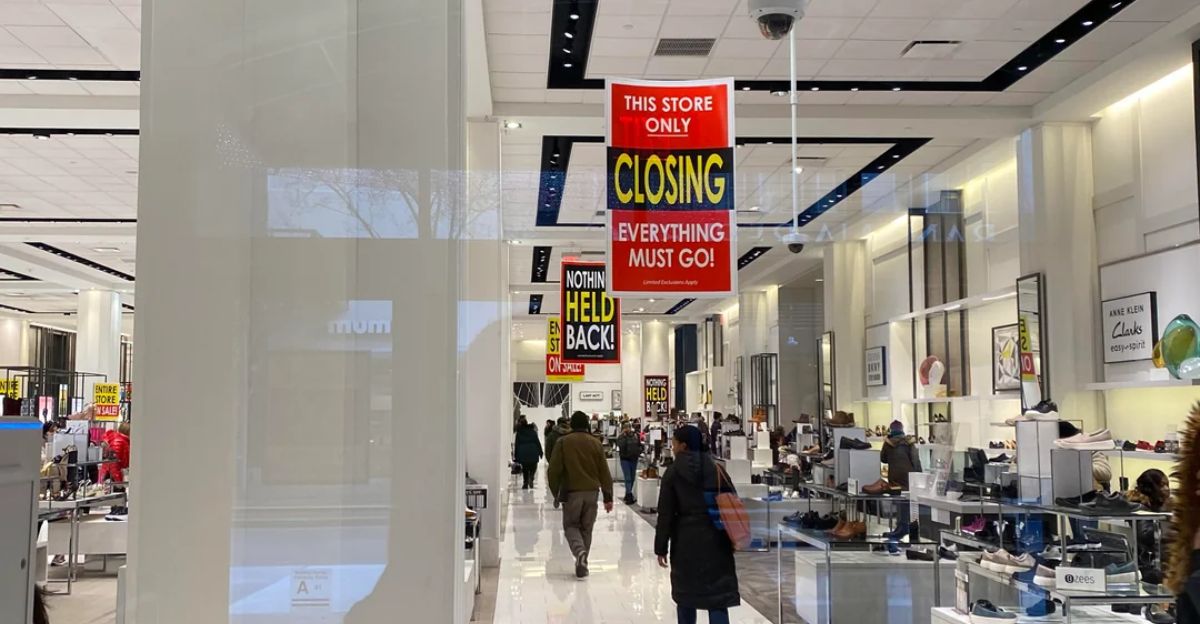
Multiple converging forces are driving this retail collapse. Surging online purchasing, persistent inflation, rising operational costs, and enduring shifts in consumer behavior have created an unsustainable environment for traditional brick-and-mortar operations. More than one in five retail sales now occur online, with approximately 62 percent of consumers shopping digitally more frequently than in physical stores. Retailers unable to effectively integrate digital and physical channels face the greatest risk of closure.
International competition has intensified the pressure. Chinese-founded platforms like Shein and Temu exploit tariff loopholes allowing goods under $800 to enter duty-free, undercutting traditional retailers’ margins dramatically. This ultra-low-price competition was specifically cited as a primary reason for Forever 21’s decision to close all U.S. locations.
Department Store Giants and Complete Liquidations
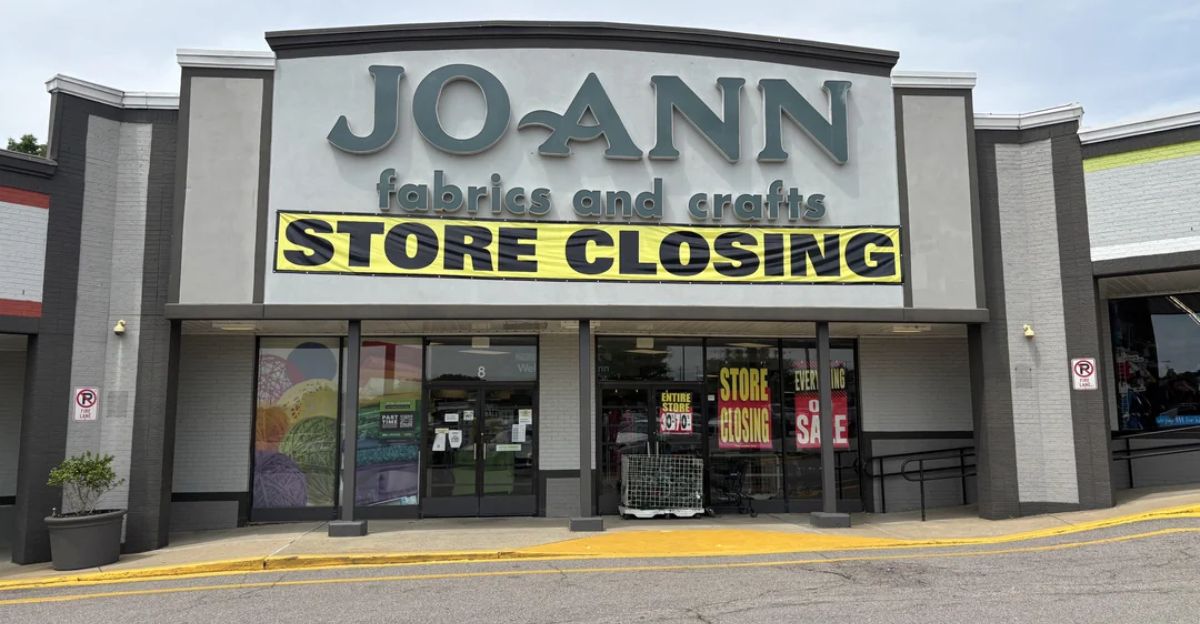
Legacy department store brands are substantially reducing their footprints. Macy’s leads the downsizing, closing 66 stores in 2025 with plans to shutter 150 locations by 2026. JCPenney and Dillard’s are following similar consolidation paths as profits decline and physical operations underperform.
Some retailers face total liquidation rather than gradual restructuring. Joann Fabrics announced closure of approximately 500 of its 850 stores nationwide, while Party City completed liquidation of over 700 locations following bankruptcy. Rite Aid, once ubiquitous across America, has closed all remaining stores after filing for bankruptcy. Walgreens and CVS are shuttering hundreds of additional pharmacy locations, raising alarms about emerging “pharmacy deserts” where millions lose easy access to prescriptions and essential medical care.
Discount Retailers and Specialty Chains Contract
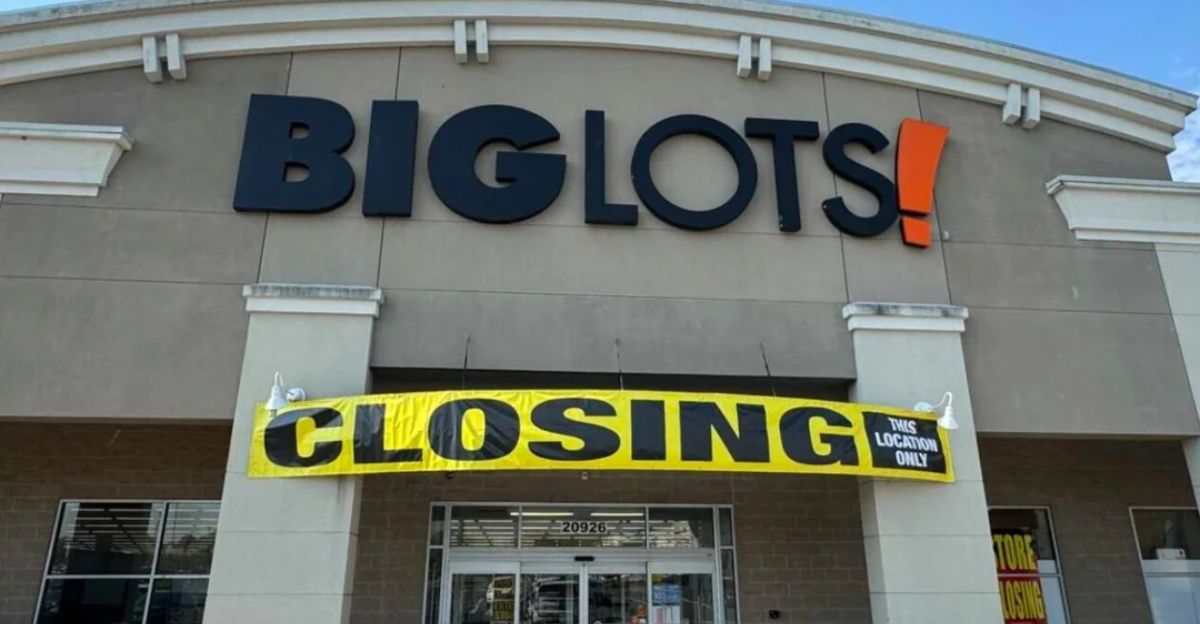
Discount chains long serving low-income neighborhoods are contracting significantly. Big Lots announced closure of more than 500 stores under severe financial strain, while Dollar General plans nearly 100 closures despite broader expansion efforts. Fashion retailer Torrid will shut up to 180 stores—nearly a third of its portfolio—while Claire’s plans to close 291 locations.
Even convenience staples are affected. More than 500 7-Eleven locations are shuttering after years of lackluster sales, and Advance Auto Parts will close over 500 stores by mid-2025. Starbucks is trimming its U.S. operations substantially, with approximately 400 locations set to close nationwide, representing approximately one percent of the company’s North American footprint.
Winners and Strategic Expansion
Not all retailers are shrinking. Dollar General continues strategic expansion, planning to open 725 new stores by year’s end. Walmart, Costco, and Target are investing substantially in omnichannel models and capitalizing on strong brand loyalty, demonstrating that nimble retailers bridging physical and digital divides can thrive in this transformed marketplace.
The Human and Geographic Cost
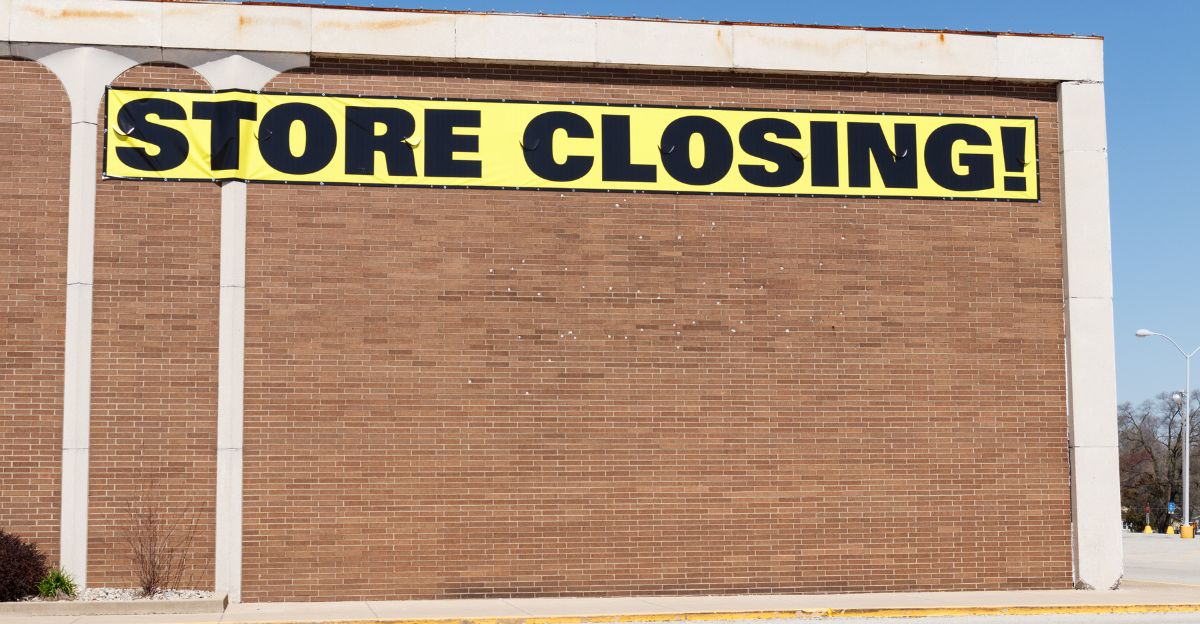
Store closures create cascading consequences extending well beyond empty storefronts. Thousands of jobs disappear, reducing local tax revenue for municipal budgets and essential services. Rural areas and lower-income urban neighborhoods are becoming retail deserts, forcing residents to travel significantly farther for groceries, apparel, and basic health needs.
Research demonstrates that residents in retail deserts face substantially higher health risks due to limited access to medications and fresh food. This burden falls particularly heavily on elderly populations and low-income communities. The growing patchwork of underserved areas deepens existing economic divides, accelerating resource drain from already struggling communities facing systemic disadvantages.
Adaptation and Response
Cities and states are experimenting with solutions ranging from tax incentives for grocers and pharmacies to public-private partnerships supporting mobile retail options. Policymakers recognize that without meaningful intervention, underserved communities may face mounting health consequences and persistent economic problems.
As America’s retail landscape continues its dramatic transformation, only those brands nimble enough to successfully navigate the physical-digital divide are expected to thrive. This fundamentally changed marketplace presents both significant challenges and opportunities for adaptation, reshaping not only how Americans shop but also the health and viability of communities nationwide.
Sources:
GetVMS, Navigating the 15,000 Store Closures of 2025
Axios, Retail Store Closure Lists and Analysis, 2025
Business Insider, More Than 3,700 U.S. Stores Closing This Year
CNBC, Store Closures and Industry Trends, 2025
USA Today, Major Retailer Closings and Locations
Reuters, Retail Industry Financial Reports and Bankruptcy Filings
McKinsey, State of the Consumer Trends Report 2025
Placer.ai, Retail Traffic and Consumer Behavior Analysis

