
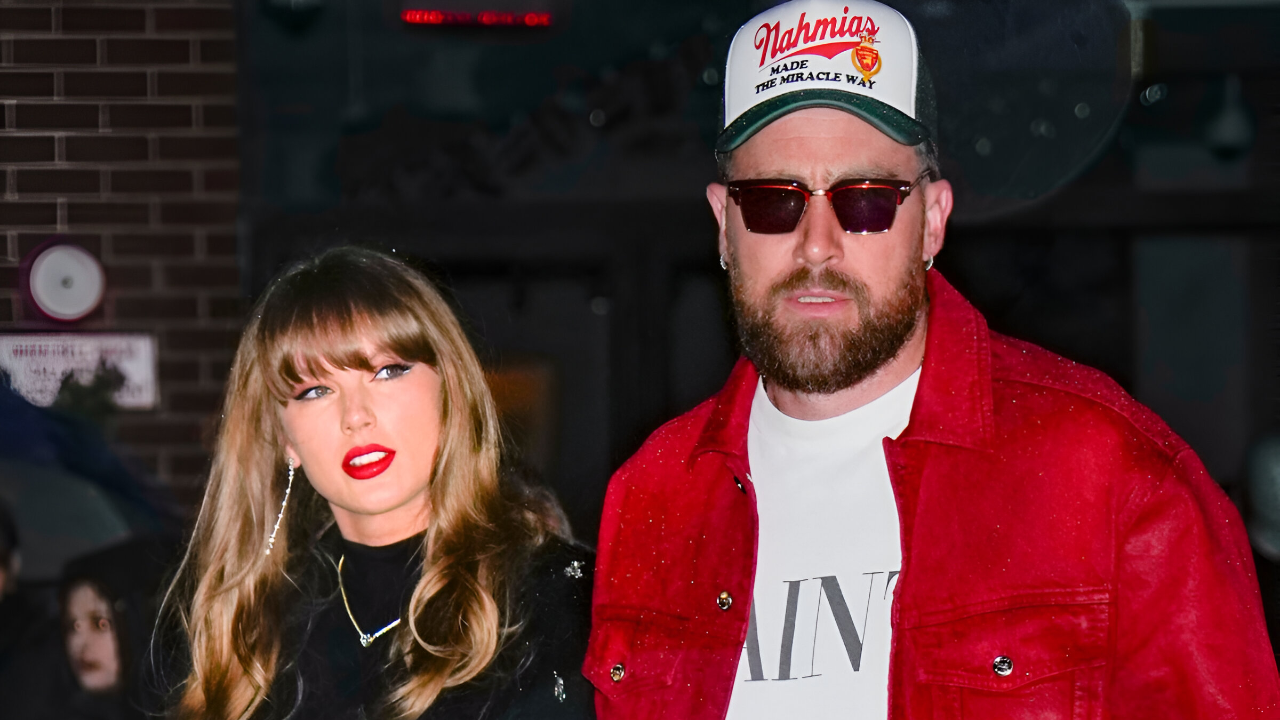
At 2 a.m. on September 15, 2025, licensed private investigator Justin Lee Fisher climbed over the gate of NFL star Travis Kelce’s mansion in Leawood, Kansas, looking for Taylor Swift so he could hand her a subpoena. Instead, he was met by a security guard and then police officers, who arrested him on suspicion of criminal trespassing. What began as a routine assignment linked to a Hollywood lawsuit quickly escalated into a case that touched on celebrity security, legal ethics, and the rules governing the process serving industry.
Legal Mission Gone Wrong

Fisher had been contracted by the legal team representing actor and director Justin Baldoni. Their goal was to serve a subpoena on Swift in connection with the dispute between Baldoni and Blake Lively over the film adaptation of It Ends With Us. According to case records, Fisher went to Kelce’s home believing Swift might be there, only to find himself at the wrong address and on private property without permission.
The incident came just hours after the Kansas City Chiefs’ 20–17 loss to the Philadelphia Eagles on September 14, 2025. Police reports state that when officers arrived, Fisher told security he was just doing his job but was nonetheless taken into custody and later charged with trespassing.
The criminal case posed an immediate threat to Fisher’s livelihood. As a licensed PI, a conviction could jeopardize his ability to work. Court records show he entered a one-year diversion program, agreed to pay a $1,000 fine, and was allowed an opportunity to preserve his professional license. His attorney stressed in filings that losing that license would have serious consequences for Fisher and his family.
Shifting Fortunes in the Baldoni–lively Dispute

The failed subpoena attempt unfolded against the backdrop of an already contentious legal battle tied to It Ends With Us. Swift’s lawyers had previously opposed efforts to compel her testimony, describing the move as an improper “fishing expedition.” By May 2025, the court overseeing the case had agreed that Baldoni’s team had not justified the need to question Swift and cited a lack of evidence and diligence in pursuing the deposition. Baldoni’s attorneys withdrew the subpoena request.
The broader case then took a major turn. In June 2025, a judge dismissed Baldoni’s $400 million counterclaim against Lively, ruling that his side had not met the burden of proof on allegations including defamation and extortion. The decision marked a significant victory for Lively and her legal team and narrowed the scope of the remaining dispute.
The legal battle also carried a personal dimension. Reports indicated that the conflict placed strain on the long-standing friendship between Swift and Lively, underscoring how high-stakes litigation can spill over into private relationships surrounding the core parties.
Security Gaps at High-profile Homes
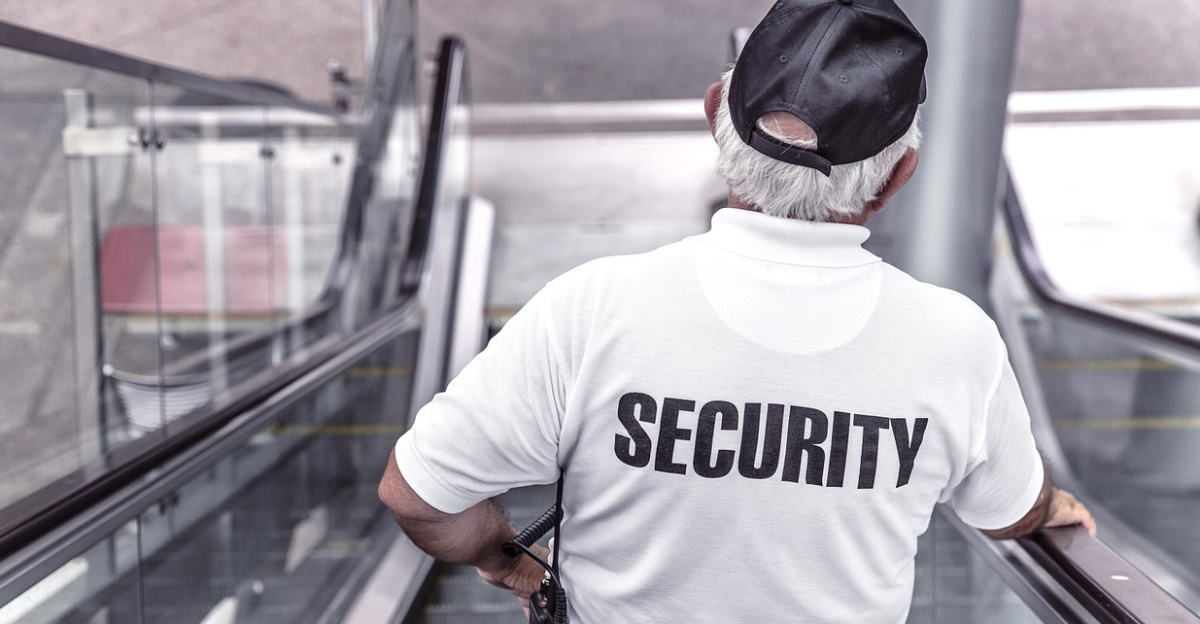
The episode at Kelce’s residence did not occur in isolation. Less than a year earlier, in October 2024, the tight end’s mansion had been burglarized while he was playing in a Monday Night Football game against the New Orleans Saints. Investigators linked that break-in to transnational crime groups targeting professional athletes’ homes, often timing burglaries to coincide with televised games and using public schedules and online information to identify when properties would be vacant.
In response to a series of similar incidents around the league, NFL security officials worked with law enforcement to brief players and teams on organized burglary patterns. Authorities warned that criminals were increasingly sophisticated, exploiting social media, real-time broadcasting, and travel schedules to identify potential targets.
These events highlighted the limits of traditional gated community protections. Security specialists have pointed to tools such as license plate recognition, artificial intelligence–supported surveillance, and stricter access controls as possible ways to strengthen defenses at celebrity residences. Insurers, in turn, have looked more closely at requirements for high-value clients, weighing the use of biometric access systems, enhanced camera networks, and professional monitoring as part of coverage decisions for entertainers and athletes.
Industry Rules and Ethical Lines

Fisher’s case drew sharp attention to how legal papers are served in sensitive, high-profile matters. Legal experts reiterated that process servers are not allowed to enter private property without authorization, especially in gated communities. The Leawood incident became a reference point in discussions about whether state regulations and licensing standards for process servers are adequate, given that requirements vary widely and oversight in some jurisdictions is minimal.
In several states, lawmakers have considered proposals to tighten and standardize rules governing process servers’ conduct, documentation practices, and access to private property. Professional investigation firms have also revisited their own protocols, emphasizing the need to obtain proper permission before entering secured areas, to carefully document each attempt at service, and to adjust methods when dealing with high-profile individuals.
The attempt to subpoena Swift also revived a continuing debate within the legal community over the ethics of summoning prominent figures whose direct connection to a dispute may be limited. Legal ethicists and practitioners questioned when such subpoenas reflect legitimate discovery needs, and when they risk crossing into tactics that primarily generate publicity and pressure rather than probative evidence.
Reassessing Privacy in a Connected Era
Beyond the immediate criminal and civil proceedings, Fisher’s early-morning approach to Kelce’s home underscored the shrinking space between public and private life for celebrities. Increasingly detailed online records, real-time posts, and constant media coverage make it easier for strangers to track movements and locate residences.
Security consultants now routinely advise both high-profile clients and everyday homeowners to invest in layered protection: monitored alarms, motion and glass-break sensors, and camera systems with off-site storage. For gated communities, experts recommend updating access control technology, maintaining detailed visitor logs, and coordinating more closely with local law enforcement.
For celebrities such as Kelce, Swift, Lively, and Baldoni, the fallout from a single misjudged attempt to deliver legal documents illustrated how quickly a minor assignment can expand into a broader examination of security, privacy, and professional standards. While Fisher’s diversion agreement offers him a path to continue his investigative career, the underlying issues—from the rules governing process servers to the vulnerability of public figures’ homes—are likely to remain central concerns for the legal, insurance, and security industries.
Sources:
Johnson County District Court criminal docket (State of Kansas v. Justin Lee Fisher, Case No. 25-CR-01492); Leawood Police Department incident reports (September 15, 2025)
Los Angeles Superior Court civil filings (Baldoni v. Lively, It Ends With Us litigation); Judicial rulings on third-party deposition requests (May 2025)
Federal Bureau of Investigation (FBI) statements on transnational crime groups targeting athletes; NFL Security Department player safety memorandums (2024-2025)
FEMA/NFL “Mission Ready Venues” partnership official announcement; State legislative archives regarding process server regulatory reform (e.g., California AB 747)

