
Your mom hands you the clipped coupons before you go grocery shopping. You glance at them—crumpled newspaper squares, some from three weeks ago—and immediately feel that familiar eye-roll coming. Who has time for this? So you pocket them, open your app, and tap through self-checkout in record time. Efficient. Modern. You won.
Two weeks later, you compare receipts like it’s nothing. Her total: $300. Yours: $600. Same cart. Same brands. Everything is the same, except for those pieces of paper you dismissed. This isn’t about being cheap. It’s about the moment a generation chose convenience over attention, and nobody warned you what that choice actually costs.
The App That Was Supposed to Save You Money

Gen Z downloaded price-comparison apps as if their lives depended on it. Yet somehow, the generation with algorithms pays more than the generation armed with scissors and newspaper circulars. Here’s the uncomfortable truth: convenience tricked your brain.
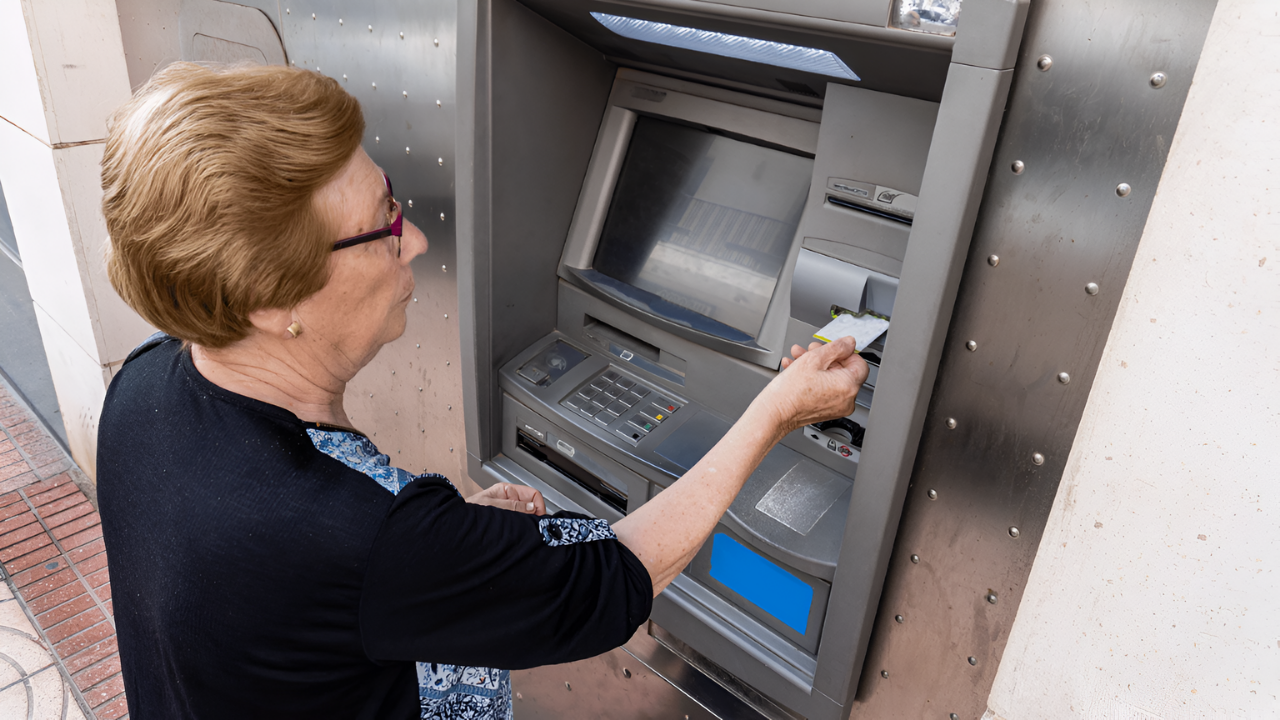
Neuroscientists discovered credit card payments activate reward centers—that anticipation feels great—while your rational brain checks out. Cash? It’s visceral. Watching actual money leave your hand creates “the pain of paying,” forcing you actually to think.
Why Can’t You Stick to a Budget?
Thirty-three percent of grocery shoppers plan to use coupons in 2024, up from 26% in 2023. However, Gen Z, with digital coupon access at their fingertips, barely uses them. What do Gen Zers subscribe to? Five subscriptions per person at £305 monthly—triple what grandparents spend.
Seventy-four percent forget they exist. You’re paying for Netflix unopened, Hulu you meant to cancel, and gym memberships driven past once. That’s not budgeting. That’s leaking money.
The Hidden $12,000 Annual Expense
Imagine what $12,000 is: a decent used car, a summer abroad, your emergency fund. One-third of Americans waste money on unused subscriptions, throwing away up to $600 yearly.
Add delivery fees (five times cooking cost), impulse purchases (averaging $3,381 yearly), and full-price shopping without coupon checks, and you’re funding a lifestyle that looks great on Instagram but feels terrible in your bank account.
Outdated Actually Wins

Boomers see bills as negotiable. Gen Z sees them as inevitable. When you surrendered to automation—auto-pay, auto-renew, auto-subscribe—you surrendered control. And once you accepted that nothing could be controlled, nothing could be fixed either.
Forty percent replace broken things instead of repairing them. The old ways are often mocked as outdated, yet they consistently deliver better results. Not because they’re special. Because they’re rooted in one radical belief: you actually have power.
1. The Twenty-Minute Weekly Habit
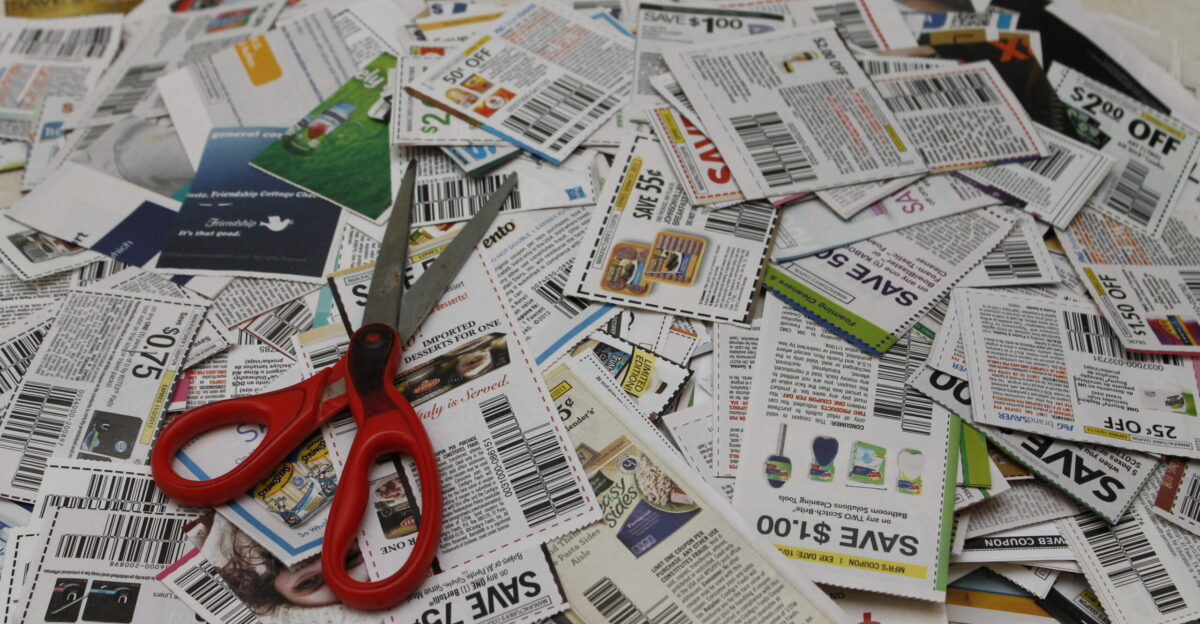
Your mom’s coupon clipping is a documented wealth-building system. Modern couponing cuts grocery spending by thirty to thirty-five percent. One person cut her $1,000 monthly bill to $700 just by reviewing sales for thirty minutes weekly—$3,600 annually.
Store apps now do the math for you. Scroll, load digital coupons, and start shopping. Your phone does the work. The average person could save an extra $2,400 per year without changing their eating habits—just by adjusting the price.
2. The Generic Brand Switcheroo

That fancy store brand and the generic next to it? Often made in the same factory with identical ingredients. Great Value bread is Sara Lee. Kirkland batteries are Duracell. Generic medications must contain identical active ingredients as name brands by law. Nine of ten prescriptions filled are generics.
The difference? Packaging and marketing budgets you fund through higher prices.
3. Price Tracking Apps That Wait

One person used Camelcamelcamel to track a laptop, set an alert, and walked away. Months later, the price dropped by $350, representing a 23 percent savings. Tools like Honey work across retailers, with average users saving $126 annually without lifting a finger.
Add something to tracking, set a price alert, and go live your life. Wait. It’s impulse prevention. Your parents called it “patience.”
4. Thrifting Went Mainstream
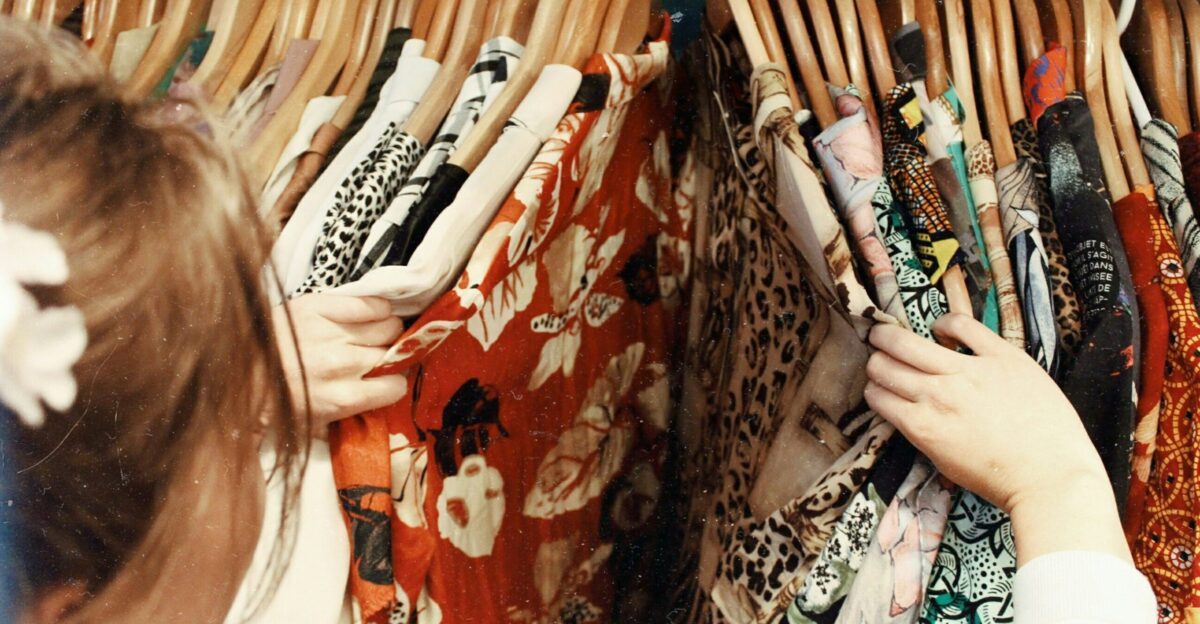
The secondhand market reached $56 billion in 2025, growing 14% year-over-year. Thrift store traffic surged thirty-nine-point-five percent, quadrupling growth at traditional retailers. Fifty-eight percent of Americans purchased secondhand apparel in 2024, with fifty-nine percent citing rising prices as the primary reason.
Gen Z leads at eighty-three percent. But boomers aren’t thrifting as a trendy adventure. They go first, always, before retail. Made it their default.
5. The Envelope System That Makes Overspending Impossible
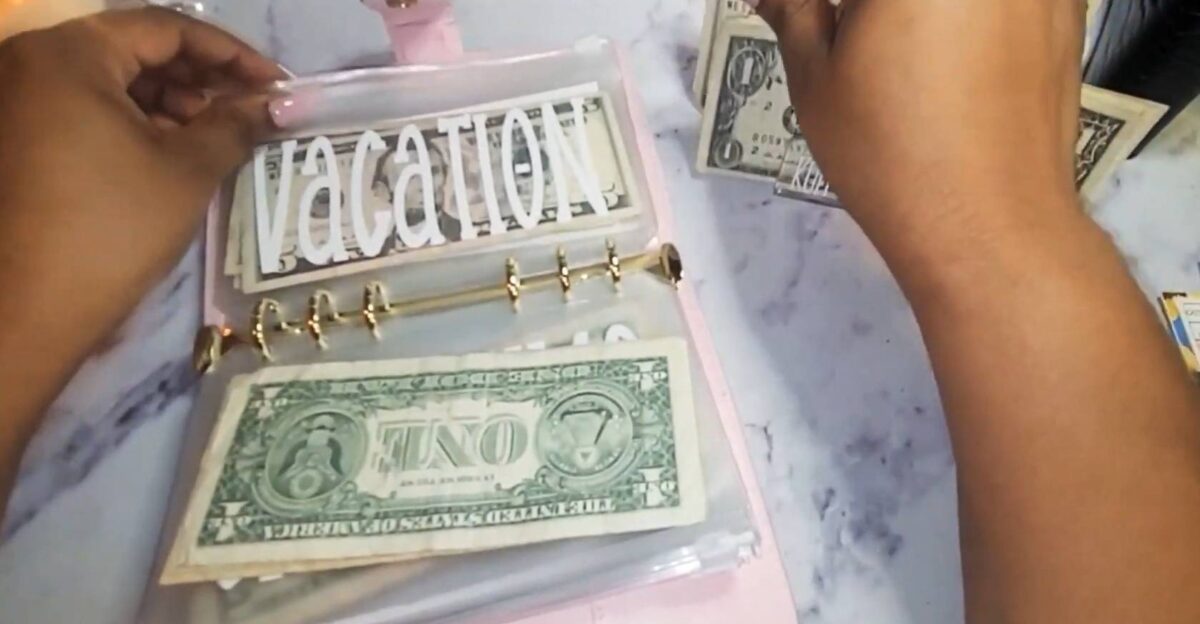
Your brain doesn’t register card swipes in the same way as handing over cash. Science confirms it. Research in Frontiers in Psychology shows that cash payments activate brain regions—specifically, the disgust and fear centers. Your hand experiences real loss.
Cards? Abstract. Debit cards increase spending compared to cash, even when you’re aware of the amount. Physical money makes spending visceral. Boomers use envelopes labeled “groceries,” “entertainment,” “gas.”
6. The 30-Day Rule

That thing you absolutely need right now? You won’t remember wanting it in thirty days. Eighty-four percent of shoppers make impulse purchases, with forty percent of online spending unplanned. The rule is simple: wishlist, wait a month, return. Urgency evaporates.
Capital One found the average person drops $281.75 monthly on impulse buys—$3,381 yearly. If half vanished with a thirty-day pause, you freed up $1,690.
7. Repair Over Replacement
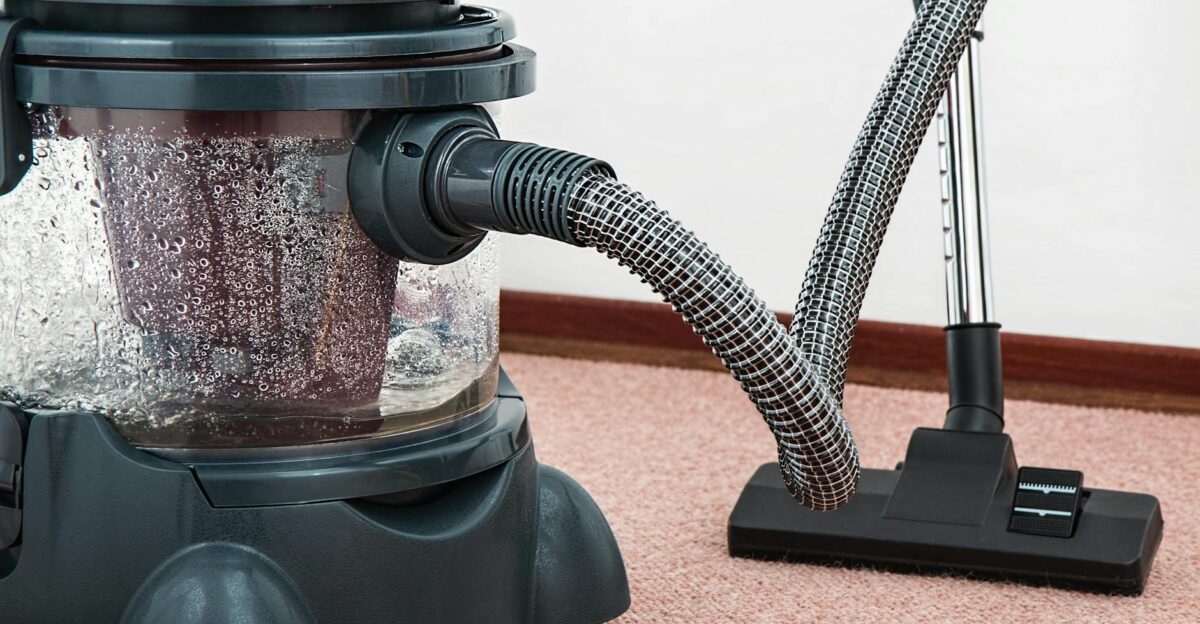
One person repaired the same vacuum for fifteen years. You bought three in five years. That’s nine times the longevity multiplier. Sixty-nine percent of UK adults prefer fixing broken items. Yet, forty percent buy new items when something breaks, even when a repair is viable.
Deloitte shows that fifty-eight percent would pay more for products designed to last. Problem isn’t you don’t want durability. You’ve been trained to accept disposability as normal.
8. Bulk-Splitting

Bulk buying saves an average of twenty-seven percent compared to smaller quantities. Paper towels drop in price by sixty-five percent in bulk. But bulk requires upfront capital and storage space most renters don’t have. Enter: bulk-splitting.
Thirty-three percent already split purchases, forty-two percent considering it. Seventy-eight percent split with family, forty-two percent with friends. Four people buy bulk together, split a mega-package, each save money.
9. The 30-Minute Phone Call

Your cable company counts on you not calling. One thirty-minute negotiation call saved someone $40 per month—$480 per year. Utility bill audits identify errors, resulting in a ten percent cost reduction and a two percent ongoing recovery. Companies have retention departments trained to offer discounts.
Just ask: “What’s your best rate?” Cable companies know that losing customers costs more than offering discounts. One phone call, light conversation, suddenly you’re $480 richer.
10. Meal Planning
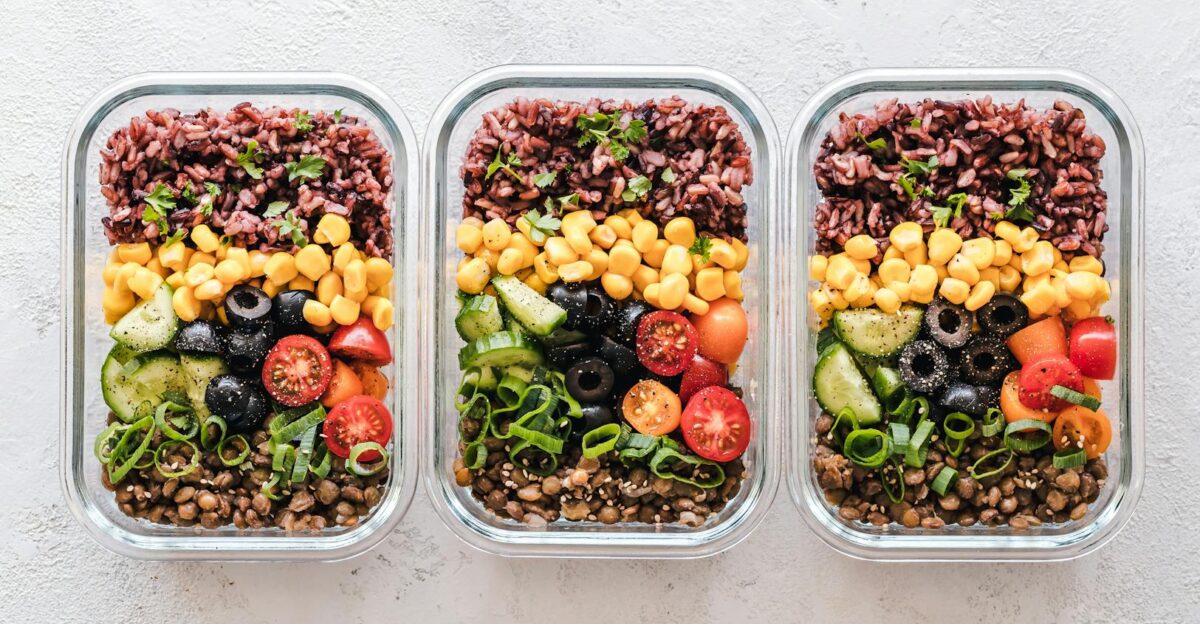
Home-cooked meals cost one-fifth what delivery charges do. Restaurant ordering costs nearly five times more. Gen Z orders out twelve times weekly at roughly $15 per meal; boomers order three times. That’s $7,020 yearly gap.
The hack: pick recipes Sunday, prep for two hours, eat ready-made meals all week. Batch cooking eliminates the worst money-killer: decision fatigue.
The Subscription Trap Was Designed to Be Invisible
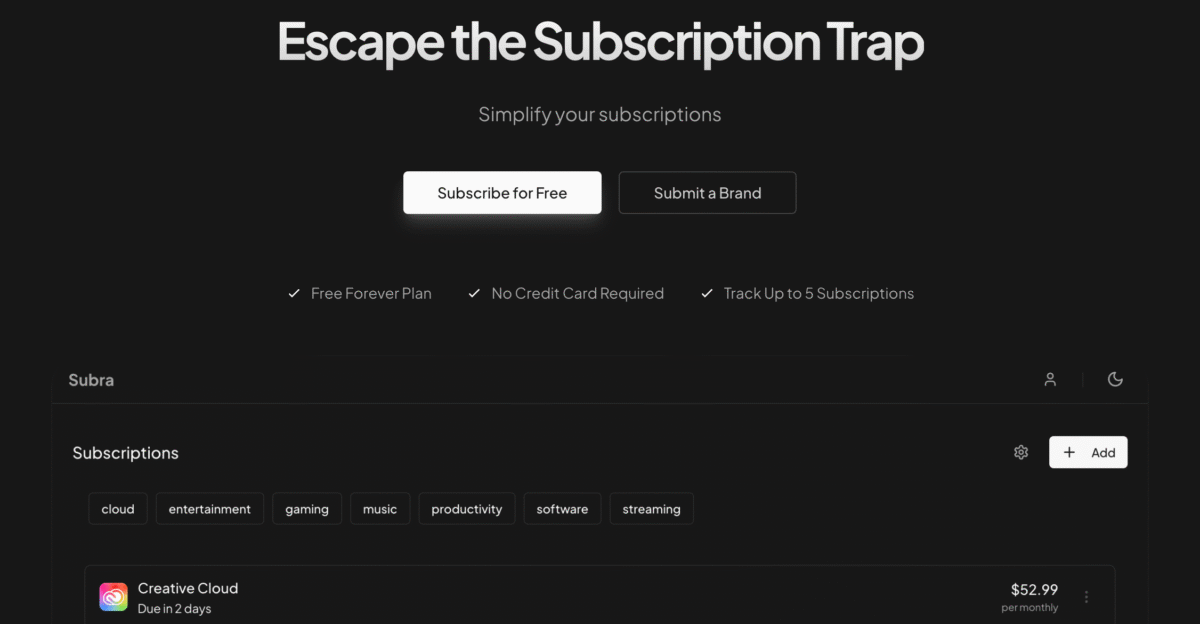
Gen Z spends £305 monthly on subscriptions. Boomers spend £108. That’s £2,364 yearly. Thirty-five percent of Gen Z actively pay for unwanted services, and twenty-five percent miss cancellation deadlines.
Automation created a system where money flows invisibly while you’re distracted. Set-it-and-forget-it became subscribe-and-never-remember.
The Tap-to-Pay Revolution
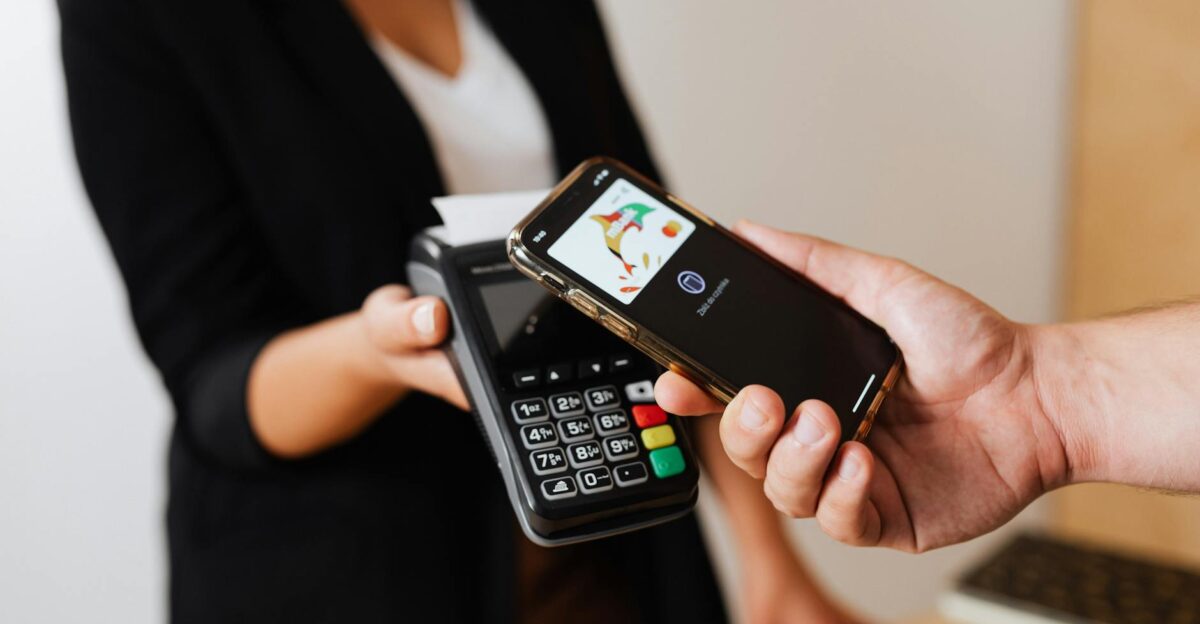
Every tap processes differently from handing over cash. Behavioral finance research shows that frictionless payments can train you to prioritize convenience over deliberation, weakening your financial planning. Gen Z has the lowest payment transparency scores, indicating a lower awareness of spending and where it is spent.
Hidden auto-debits create “silent wallet” phenomenon—money vanishes before you register it’s gone—your parents’ cash payments forced awareness.
Why Your Parents Built Wealth While You Feel “Always Broke”

Your parents compare prices before buying. You compare payment plans. Boomers hunt for discounts; Gen Z leads in buy-now-pay-later adoption at fifty-five percent—meaning you’re financing things they’d save for.
Even worse: a third of Gen Z, aged 24-35, live with their parents to avoid housing costs, yet still spend as if they’re independent. That’s the trap. You’re eating up discretionary income while your safety net stays intact. Your parents had no net. They had to choose
One Hour Weekly Changes Everything

Twenty minutes reviewing coupons. Thirty minutes negotiating bills. Two hours of Sunday meal prep. Roughly one hour weekly. Return? Thousands of dollars are recaptured annually in spending power that compounds when redirected.
These strategies work regardless of income. Low-income households could collectively save $5.4 billion annually on groceries—five percent of their total—by adopting bulk-buying patterns. This isn’t deprivation. It’s intentionality.
Your Parents’ Advice Is More Modern Than Your App

Here’s the uncomfortable irony: you have superior financial tools but inferior outcomes. Forty-eight percent of Gen Z don’t even use credit cards, and sixty-three percent can’t track where their money actually goes. You’re drowning in options while lacking basic awareness. Your boomer parents? They built stability the unfancy way—cash, patience, attention.
The tools changed—coupons moved from newspapers to apps, and price tracking shifted from in-store visits to algorithms—but the underlying math never budged. Spend less. Save systematically. Question everything.
