
The Ivanpah Solar Power Facility rose from California’s Mojave Desert as a symbol of America’s ambition to expand clean energy on a massive scale. Costing $2.2 billion and covering about five square miles, the project featured three tall towers surrounded by nearly 174,000 mirrors. When it began operation in 2014, it was the world’s largest concentrated solar power plant and captured global attention.
Only a little over ten years later, most of Ivanpah is now scheduled to shut down,13 years earlier than planned. The closure highlights how quickly energy technology and economics can change. What was once a futuristic symbol of renewable energy has become an example of how innovation sometimes moves faster than large, complex projects can adapt.
Building a Giant Solar Experiment
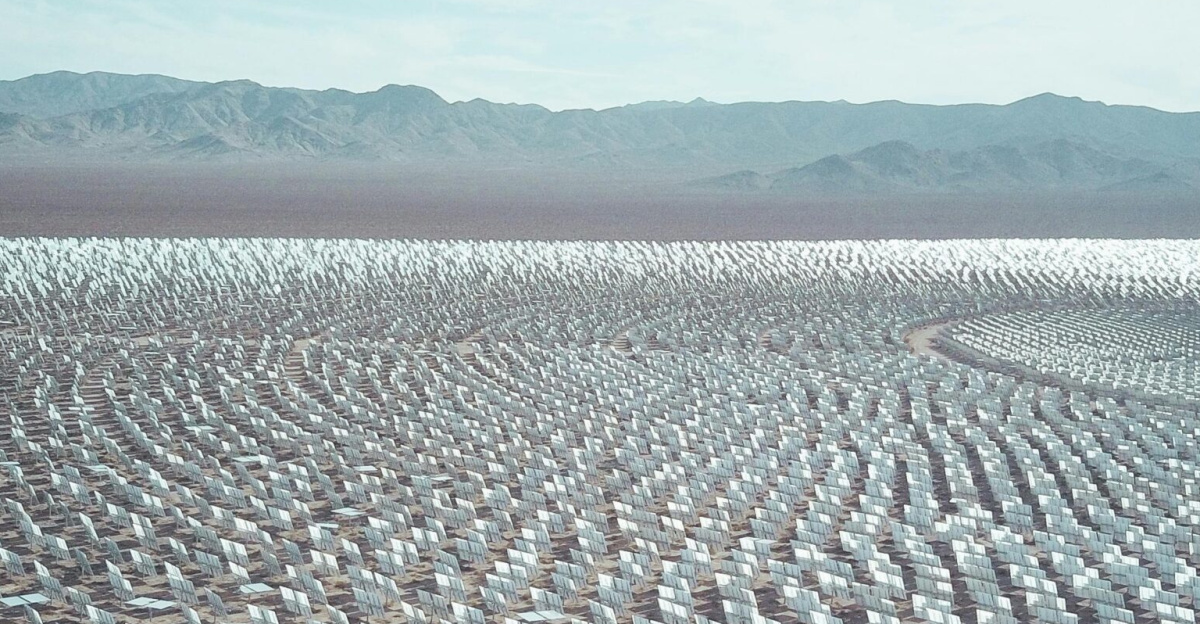
Creating Ivanpah required a major construction effort. Hundreds of workers installed the mirrors, called heliostats, aligning each one to reflect sunlight onto boilers located on top of three towers, each standing about 450 feet high. The project used a form of concentrated solar power (CSP) instead of regular solar panels. Computer systems guided the mirrors to follow the sun, focusing intense light onto receivers that heated a fluid. The resulting steam powered turbines that generated electricity, similar to how traditional power plants run, except the energy source was sunlight instead of fossil fuels.
Analysts saw Ivanpah as a demonstration that renewables could work on an industrial scale. Energy experts like Edward Smeloff described the idea as using the sun to run a standard steam plant, but in practice, the system was extremely complex. Coordinating tens of thousands of mirrors and managing the heat transfer required precise technology and constant maintenance, making it both impressive and expensive.
Financial Trouble and Falling Behind

The project had powerful backers, including major energy companies and the U.S. Department of Energy, which guaranteed $1.6 billion of the overall cost. Long-term contracts with California utilities helped make the project possible by guaranteeing prices for the electricity it produced. Back in 2009, these prices were considered fair and competitive. But in the years that followed, solar panels became much cheaper and more efficient, turning Ivanpah’s financial advantage into a liability.
Eventually, Pacific Gas & Electric (PG&E), one of Ivanpah’s main customers, decided to end two of its power contracts early to save money. Without those deals, two of the plant’s three units are now set to close and be dismantled. Only one tower, which sells power to Southern California Edison, is expected to keep running for a few more years. Once celebrated as the future of green power, Ivanpah is now winding down piece by piece.
Performance issues added to the financial strain. Ivanpah was designed to generate 392 megawatts, enough to supply about 140,000 homes, but it rarely reached that capacity. High maintenance costs and the need to use natural gas to preheat the system during cooler times further hurt its reputation as a clean, zero-emission project. Critics argued that the plant’s complicated technology and high operational costs made it less efficient than expected.
Environmental Concerns and Lessons Learned

From the beginning, Ivanpah’s environmental impact caused concern. The facility’s huge footprint disturbed fragile desert ecosystems and the habitats of local species. Conservation groups reported that birds were being injured or killed when they flew through the powerful beams of reflected sunlight, a problem unique to large concentrated solar plants. For many environmental groups, the land disruption and wildlife risks outweighed the plant’s renewable energy benefits, especially since its output was lower than hoped.
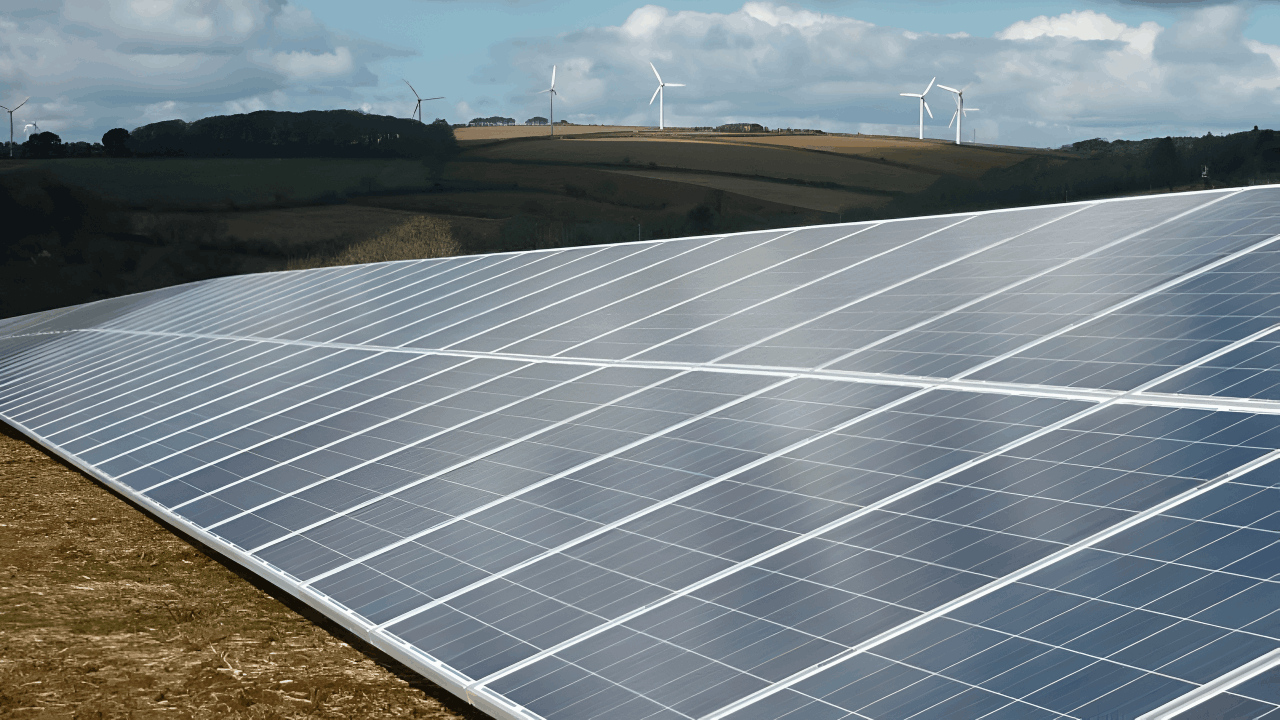
Meanwhile, solar technology evolved rapidly. The cost of photovoltaic (PV) panels dropped dramatically, while their efficiency improved. Developers could now build smaller, cheaper projects using standard panels combined with batteries, systems that deliver electricity more reliably and at a fraction of Ivanpah’s cost. Concentrated solar power, once promising, failed to scale up competitively. In contrast, PV projects required less land, less upkeep, and produced more consistent results. As a result, Ivanpah’s design became outdated within a decade.
The financial picture also dimmed over time. The project experienced cost overruns and could not generate enough electricity to justify its price tag. Critics called it an expensive lesson for taxpayers, comparing it to earlier high-profile energy failures. Supporters, however, argue that such experiments are part of progress. Every large leap in technology involves some failures, and even setbacks like Ivanpah can lead to better designs and smarter investments in the future.
The Next Chapter for Ivanpah

Ivanpah’s closure will affect local jobs and nearby communities. During construction, about 1,000 temporary jobs were created, and a smaller workforce stayed on afterward to maintain operations. When the facility shuts down, that economic activity will shrink. However, for most Californians, the transition is expected to lower costs as utilities turn toward cheaper, more efficient sources of clean power.
Decommissioning is planned to begin in 2026. State agencies, including the California Public Utilities Commission, are involved in overseeing the process and exploring how the site might be reused. Some hope the existing infrastructure and land could be adapted for new solar panel fields or other advanced renewable projects, preventing total waste of the original investment.
The story of Ivanpah is both a warning and an inspiration. It shows the risks of betting big on unproven technology but also highlights how experimentation drives progress. Even though the plant is closing, its legacy will inform future renewable energy projects. As California continues to expand low-cost solar and battery storage, Ivanpah remains a reminder that innovation in clean energy is not always smooth, but it is essential for lasting change.
Sources
- Institute for Energy Research – overview of the early shutdown and performance issues
- Renewable Energy World – article on two-thirds of Ivanpah shutting down after PG&E contract terminations
- CNN – explainer on why the “field of mirrors” is closing and what comes next

