
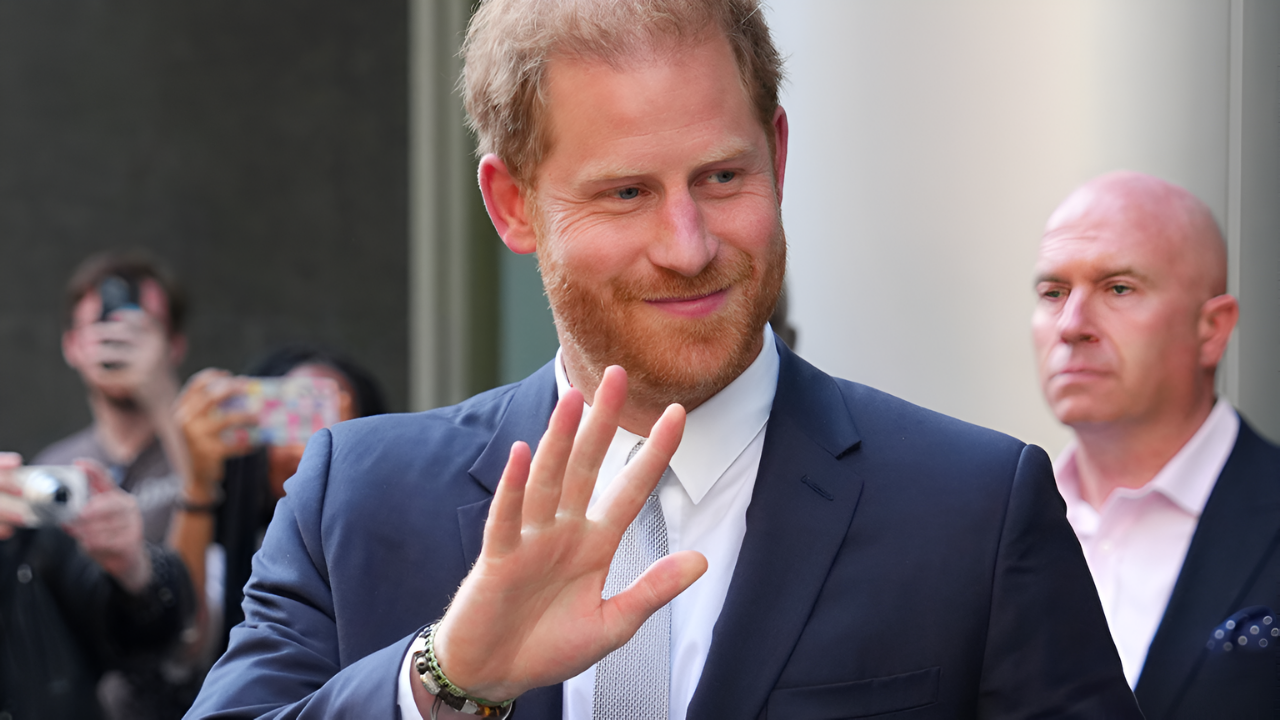
Tina Brown’s latest remarks on Prince Harry and Meghan Markle land at a moment when their post-royal experiment in the United States appears increasingly fragile. The veteran editor and biographer, long regarded as an authoritative voice on Princess Diana and the House of Windsor, has turned her attention to the couple’s faltering ventures and shifting status in both Hollywood and the wider media world.
Royal Chronicler With a Long Memory
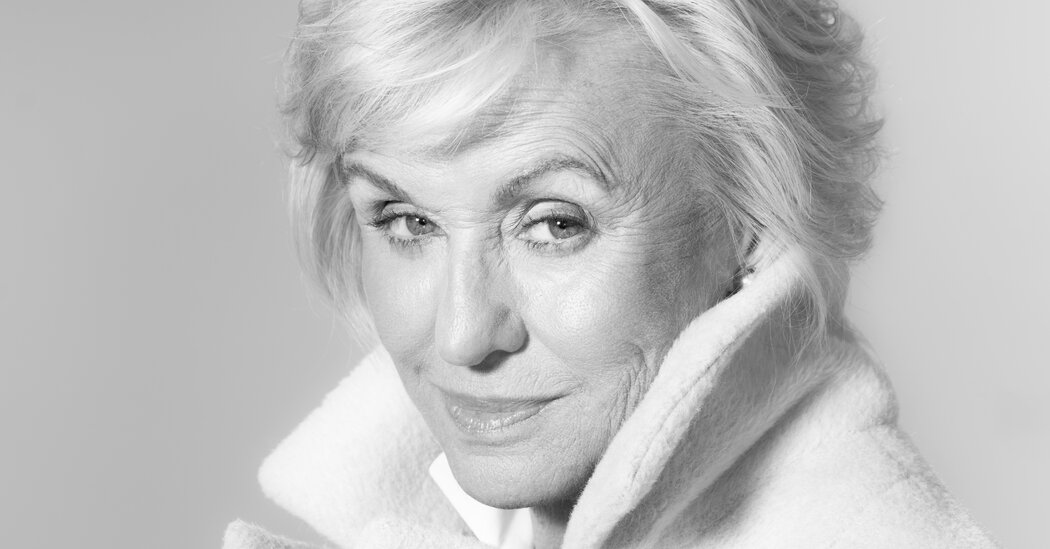
Tina Brown’s connection to the modern monarchy dates back to the 1980s, when she edited Tatler during Princess Diana’s transformation from shy aristocrat to global figure. Her 2007 biography, The Diana Chronicles, cemented her reputation as a leading interpreter of Diana’s life and legacy, a role reinforced by her later royal commentary and a well-publicized lunch with Diana in New York in July 1997.
Brown went on to edit Vanity Fair and, in 2022, published The Palace Papers, a detailed account of the Windsors from Diana’s death through Prince Harry and Meghan’s move to California. She has remained a prominent commentator, weighing in via podcasts, newspaper interviews and a newsletter. In 2024 and 2025 she repeatedly assessed the Sussexes’ trajectory, focusing on their struggle to translate intense initial interest into enduring success in the United States.
The American Chapter Stalls
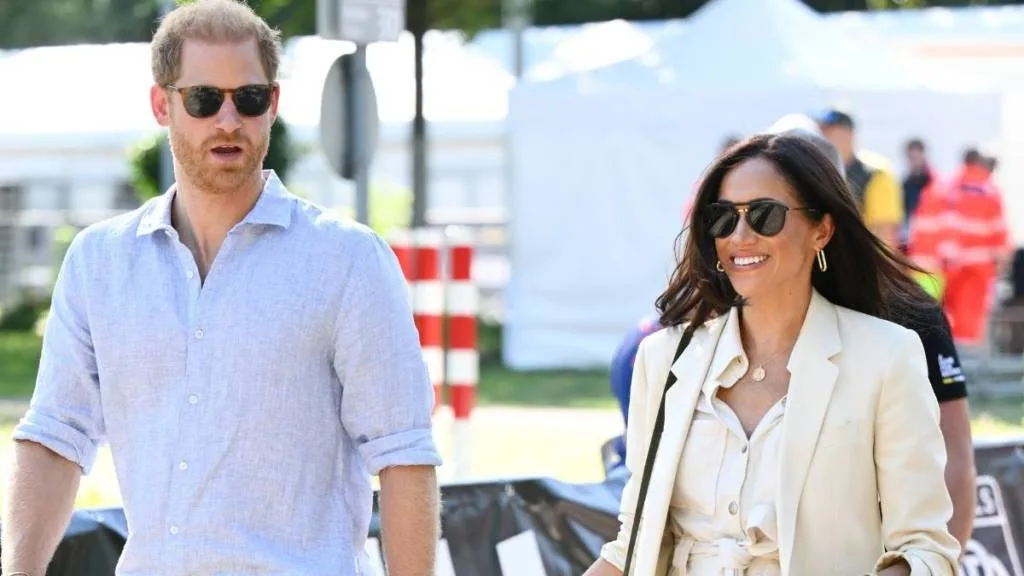
Harry and Meghan stepped back from full-time royal duties in January 2020 and later settled in Montecito, California. A high-value Netflix agreement promised a slate of documentaries, and Harry’s memoir Spare, released in January 2023, generated worldwide attention and sales. Meghan, meanwhile, pursued lifestyle-focused projects, launching American Riviera Orchard in 2024 and later a brand called As Ever.
Despite star connections and heavy coverage, their projects in the U.S. have faced headwinds. The Netflix productions drew controversy rather than unanimous praise, and the broader portfolio of creative and commercial ventures struggled to retain momentum. Commentators noted that a couple once hailed in America as a modernizing force within royalty and celebrity culture was now perceived as having difficulty sustaining compelling work and partnerships.
Inside Hollywood, that change of mood has had concrete effects. High-profile collaborations did not materialize at the pace initially anticipated. Trade publications reported that opportunities were dwindling, and public polling showed declining approval. By late 2025, the prevailing storyline around the Sussexes had shifted from reinvention to uncertainty over their long-term role in the entertainment and media industries.
A Blunt November Verdict
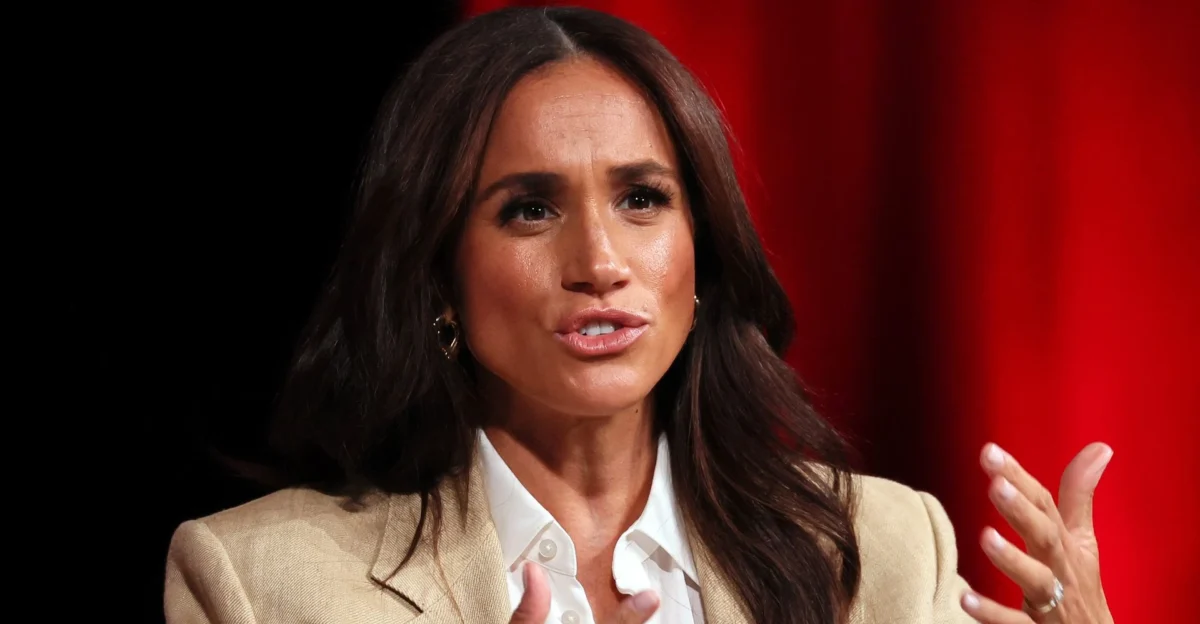
It was against this backdrop that Brown gave a sharply worded interview to The New York Times in November 2025. Assessing the couple’s choices since moving to America, she said, “I have never seen anybody in professional life make as many mistakes as Meghan has. And unfortunately, Harry is not the brightest bulb, either.” She also described them as “pariahs everywhere,” suggesting they had become marginalized both socially and professionally.
Those phrases were quickly picked up by British tabloids, celebrity-focused outlets and royal-focused platforms, then echoed by American entertainment media. The comment’s impact lay partly in its source: Brown is not seen as a fringe pundit but as an experienced editor and historian with decades of proximity to the royal story. Her words became a centerpiece of coverage about the couple’s recent difficulties, repeatedly cited as emblematic of a broader reassessment of their standing.
Her criticism landed just as Meghan was promoting As Ever, presented as a high-end lifestyle venture in wellness, home and luxury goods. Early reactions were mixed, and reports pointed to supply delays and cautious industry interest. Fashion and lifestyle analysts questioned whether Meghan could scale such a brand over the long term. The As Ever rollout, layered atop previous ventures such as The Tig and earlier projects, became a test case for judgments about her strategic instincts.
Reputational Slide and Royal Context
In commentary that followed Brown’s interview, industry figures and pundits suggested her remarks reflected an opinion already hardening in Hollywood. Some managers and publicists, speaking anonymously, framed the couple in increasingly negative business terms, while representatives of major brands appeared to pull back from association. Talent agents reported dwindling inquiries about possible collaborations, feeding a sense that a once-promising professional network had cooled.
Brown’s assessment also intersected with a complicated family backdrop. The rift between Harry and Prince William had deepened through the 2020 departure from royal duties, the 2021 televised interview about their treatment, and the publication of Spare in 2023. Hopes that King Charles’s cancer diagnosis in early 2024 might prompt a lasting reconciliation did not materialize. By mid-2024 the brothers had not been publicly seen together for some time, and the royal household presented William and Catherine as the central figures in the monarchy’s future while Harry and Meghan remained separate in the U.S.
For many observers, Brown’s words carried an added resonance because of her association with Diana. Having chronicled the late princess’s efforts to protect her sons and shape their futures, Brown was now publicly criticizing the path taken by Harry in adulthood. Commentators pointed out the emotional complexity of a friend and biographer of Diana offering such a stark judgment of her younger child’s post-royal life.
Uncertain Prospects
Harry has previously said he relied on Meghan to guide him through the transition out of royal structures, portraying her as an emotional anchor as they built a new life in California. Brown’s depiction of him as intellectually ill-equipped for independent decision-making directly challenged that self-portrait, implying a vulnerability to misjudgment at a moment when professional strategy is crucial. There has been no direct public response from the couple to Brown’s remarks, though royal sources have indicated the comments are monitored and categorized alongside other media criticism.
Financial and contractual questions add another layer. The large Netflix arrangement, once framed as the backbone of their U.S. income, remained incomplete by late 2025, with new projects not clearly defined. Analysts have noted that legal disputes with media outlets on both sides of the Atlantic continue to generate costs, while new commercial ventures have yet to demonstrate lasting returns.
As the year draws to a close, Brown’s November interview stands as a stark marker of how the Sussexes’ story is now being told in both Britain and America. Whether they choose to recalibrate their public presence, seek new types of projects, reduce their visibility, or explore some future accommodation with the royal institution they left, their next steps will unfold under the shadow of a narrative that has shifted from promise to precariousness.
Sources:
New York Times Nov 2025 interview
Telegraph Apr/Nov 2025 interviews
BBC/CNN/NPR archives
Express/Mirror royal coverage Nov/Dec 2025
Variety/Hollywood Reporter industry analysis
Financial Times celebrity business reporting
Wikipedia biography records

