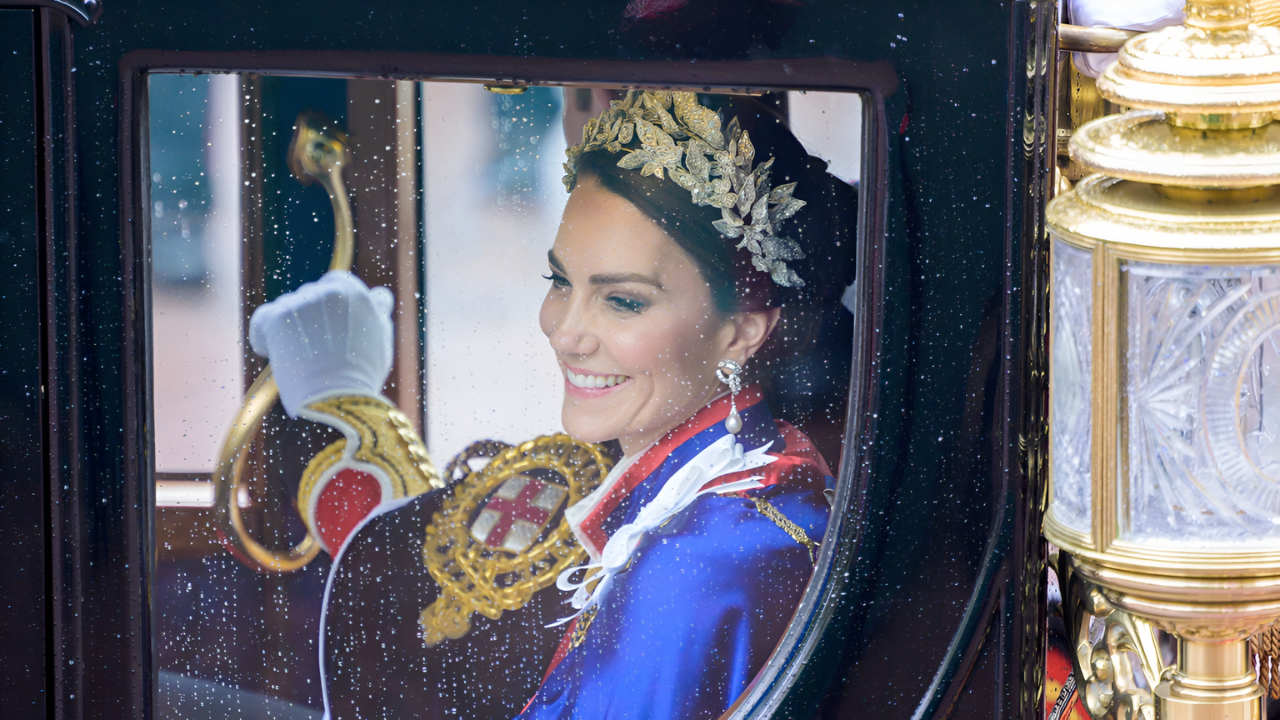
Catherine’s future as Britain’s queen will place her at the center of public life, but well outside the levers of constitutional power. Under the United Kingdom’s succession and regency laws, she will be crowned and styled as a queen alongside King William, yet she will never exercise sovereign authority, even if her son Prince George were to become monarch while still a minor.
Royal Titles and Limited Authority
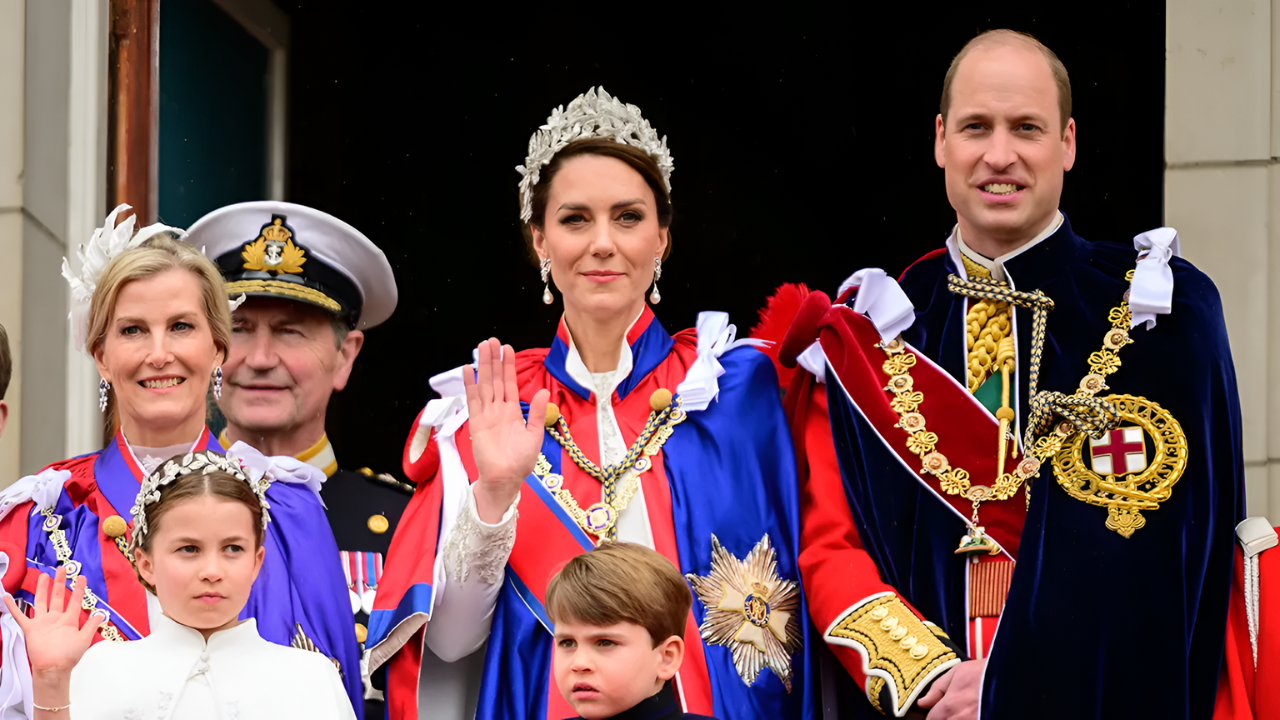
On William’s accession, Catherine will be known as “Her Majesty Queen Catherine,” following the pattern set when the “Consort” label was dropped and King Charles’s wife became simply “Queen Camilla” in 2023. This change modernizes how royal spouses are presented to the public but does not alter the underlying legal limits on their authority. As Queen, Catherine will be eligible to serve as a Counsellor of State, meaning the monarch can delegate certain defined duties to her via Letters Patent, such as handling some official documents or representing the sovereign at specific events, but this delegation never includes full sovereign powers.
Regency Acts and The Regent–Guardian Split
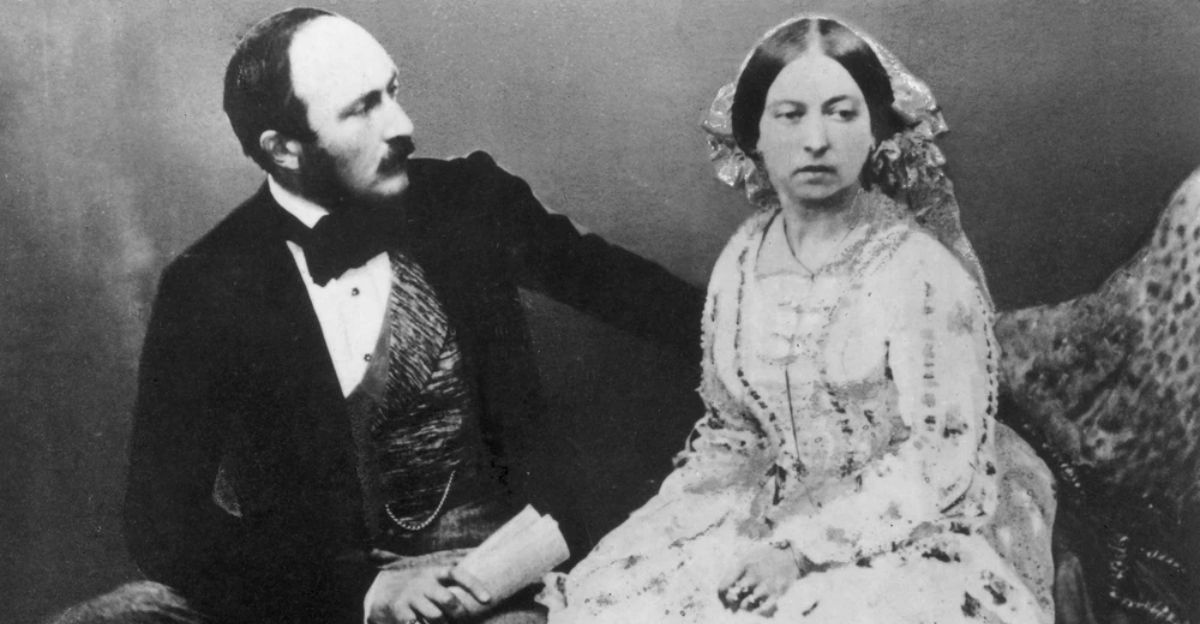
The framework that keeps a Queen Consort out of direct rule is set by the Regency Acts, last substantively updated in 1937, which spell out what happens if a monarch is a minor or becomes incapacitated. British law insists that a regent must be the next adult in the line of succession, must be at least 21 years old, and must hold British nationality; being a spouse or parent of the monarch does not qualify someone on its own. As a result, if Prince George became king before adulthood, Catherine would be his legal guardian responsible for his personal welfare, but regency powers would pass to the next eligible adult in the succession line, not to her as his mother. This careful distinction between regent and guardian, rooted in two centuries of precedent, is designed to avoid concentrating political authority within the nuclear family and to maintain continuity through the established succession order.
Ceremonial Role and Counsellors of State
Catherine’s coronation would mirror past ceremonies in spectacle and symbolism, including anointing, investiture, and public celebrations, but her role would remain ceremonial. The position of Queen Consort does not carry any independent executive authority; instead, it exists to support the sovereign and the institution of the monarchy. As a Counsellor of State, she could perform certain administrative and ceremonial tasks if the monarch is abroad or temporarily unable to act, yet those duties are tightly bound by statute and by the specific wording of Letters Patent. These mechanisms allow the Crown’s daily work to continue smoothly while ensuring that sovereign power itself cannot be transferred, even temporarily, to the monarch’s spouse.
Institutions, Money, and Modern Expectations

The distinction between ceremony and power also appears in how the royal household is funded and structured. The Queen Consort’s official work is supported through the Sovereign Grant, which is set as a fixed share of profits from the Crown Estate and projected at £86.3 million for 2024–25. Separately, the Duchy of Cornwall, with an income of around £23.6 million in 2023, passes to the new Prince of Wales after William becomes king, underscoring that income streams follow titles in the line of succession, not the consort. These separate arrangements give the Queen Consort substantial institutional and logistical support while keeping her away from direct control over royal revenues or state budgets. At the same time, public expectations shaped by rapid online commentary and intense media focus often collide with the dry clarity of constitutional law, fueling speculation about hypothetical regencies that the legislation in fact rules out.
Regency in Extreme Scenarios and Future Implications

British history includes examples of powerful royal spouses in other countries, such as Catherine de’ Medici in France, who governed on behalf of young kings, but the UK framework explicitly bars such consort regencies. In rare or extreme succession scenarios—such as the removal, death, or disqualification of multiple adult heirs—a regent could be an unexpected figure further down the line, provided that person is an eligible adult and meets the statutory criteria. Parliament retains the authority to revise the regency rules, but any change would require deliberate legislation rather than an automatic elevation of a royal spouse based on sentiment or public sympathy. For now, the architecture of British succession law is designed to preserve stability: Catherine’s future position combines personal guardianship of a child king, if that ever occurred, with a highly visible but constitutionally constrained role as Queen, keeping emotional and familial bonds separate from the exercise of sovereign power.