
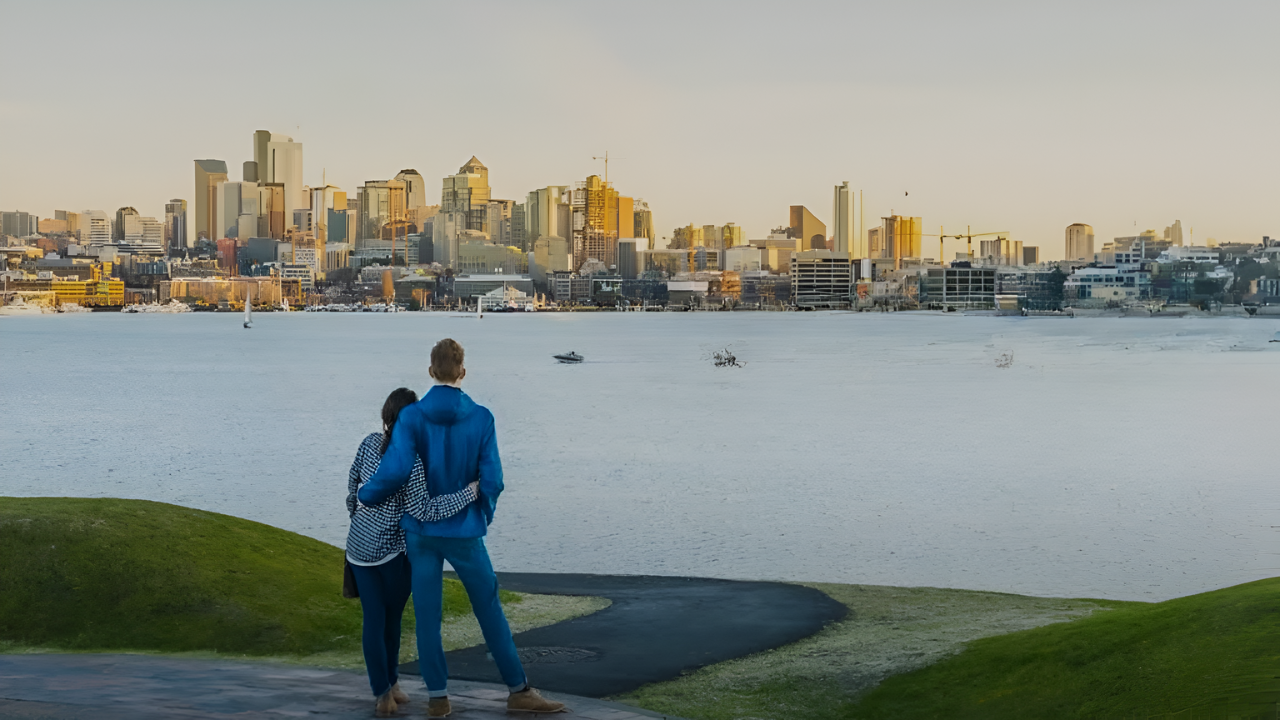
America’s search for the ideal home is shifting. As remote work becomes mainstream and economic pressures reshape priorities, more people are looking beyond traditional coastal hubs to find communities that offer affordability, culture, and opportunity. In 2025, mid-sized cities and vibrant suburbs are emerging as top choices, reflecting a new vision of what it means to live well in the United States.
Defining the New Best Places
To identify the best places to live in 2025, U.S. News & World Report evaluated cities using five key criteria: quality of life, value, desirability, job market, and net migration.
Architectural Digest highlighted seven of these cities for their unique blend of affordability, safety, opportunity, and cultural amenities. This year’s rankings reveal a clear trend: Americans are prioritizing comfort, community, and cultural richness over the hustle of major metropolitan areas.
Suburban Wealth and Community: Johns Creek, Georgia
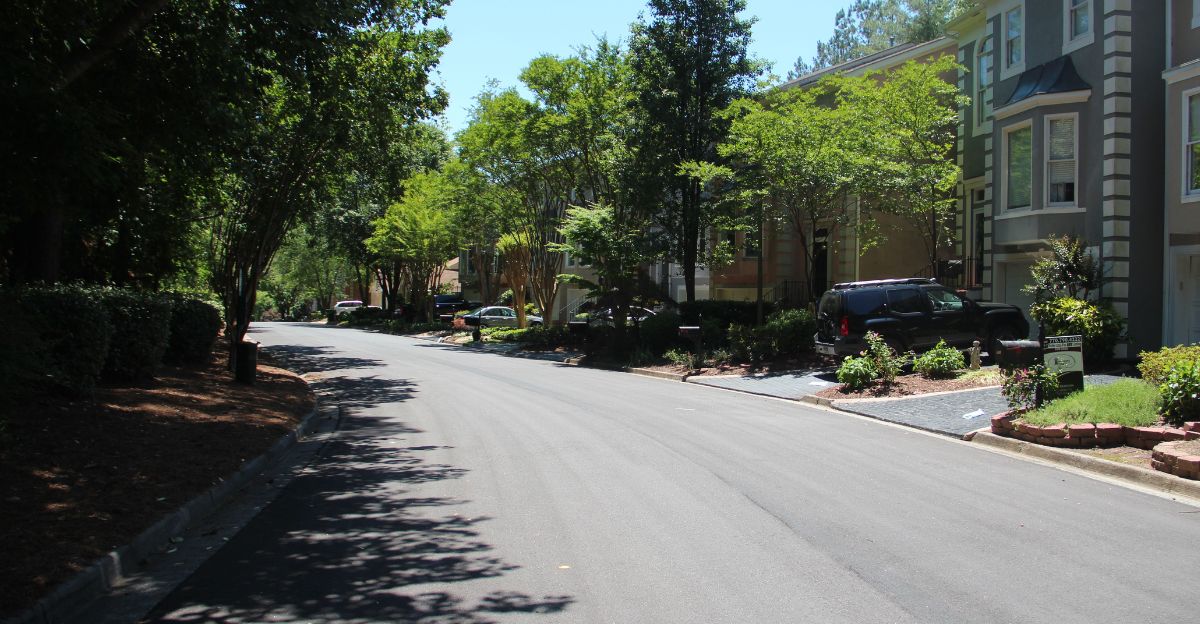
Johns Creek, Georgia, leads the 2025 list, offering a high standard of living just outside Atlanta. With a median household income of $163,653—nearly double the national average—and a median home price ranging from approximately $528,000 to $689,000, the city attracts those seeking both prosperity and proximity to urban amenities.
Residents benefit from a manageable 26-minute average commute, excellent schools, and abundant green spaces.
The city’s commitment to parks and family-friendly activities makes it a model for suburban living, with many families drawn to its strong sense of community and top-ranked safety ratings.
Cultural Sophistication in the Heartland: Carmel, Indiana
Carmel, Indiana, stands out for its blend of suburban charm and artistic innovation. The city’s Arts & Design District and the Indiana Glass Trail foster a vibrant creative community, while low crime rates and top-ranked schools appeal to families and professionals. Median home prices range from $449,000 to $541,000, offering strong value. Residents enjoy a lifestyle that balances nature, creativity, and safety—a combination increasingly sought after in today’s housing market.
Affordable Opportunity: Pearland, Texas
Pearland, Texas, is gaining recognition for its affordability and economic vitality. With a median home price of about $320,000 and an unemployment rate near 3.5%, Pearland offers a small-town atmosphere with easy access to Houston’s job market and amenities.
The city’s 2024 Cultural Arts Master Plan underscores its commitment to community-driven growth. Pearland’s approach mirrors global trends, where suburban areas near major cities—such as Greater Manchester in the UK—are seeing similar surges in popularity due to affordability and access.
Luxury and Culture Near the Capital: Bethesda, Maryland
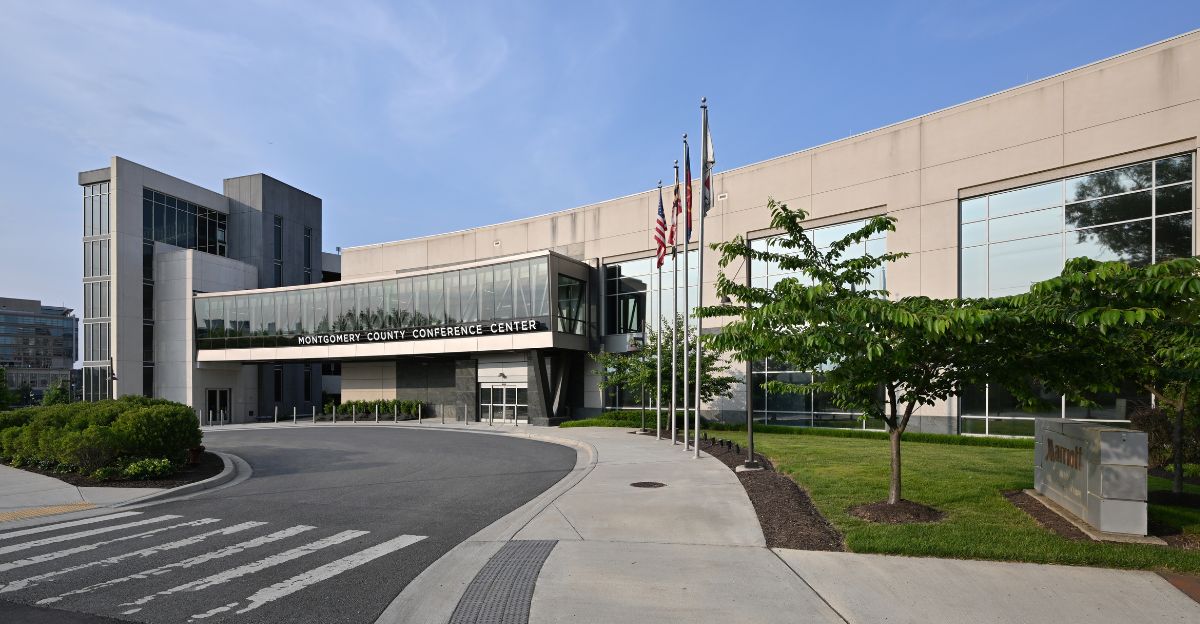
Bethesda, Maryland, delivers an upscale lifestyle with world-class arts and education. Located near Washington, D.C., Bethesda boasts venues like Strathmore and Round House Theatre, and home prices typically range from $1.1 to $1.3 million. The area’s excellent schools and proximity to federal job markets make it a prime choice for professionals. The city’s cultural vibrancy and economic opportunity justify its premium cost, echoing patterns seen in affluent suburbs worldwide.
Creative Communities and Cost Savings: Farmington Hills, Cedar Rapids, and Oklahoma City
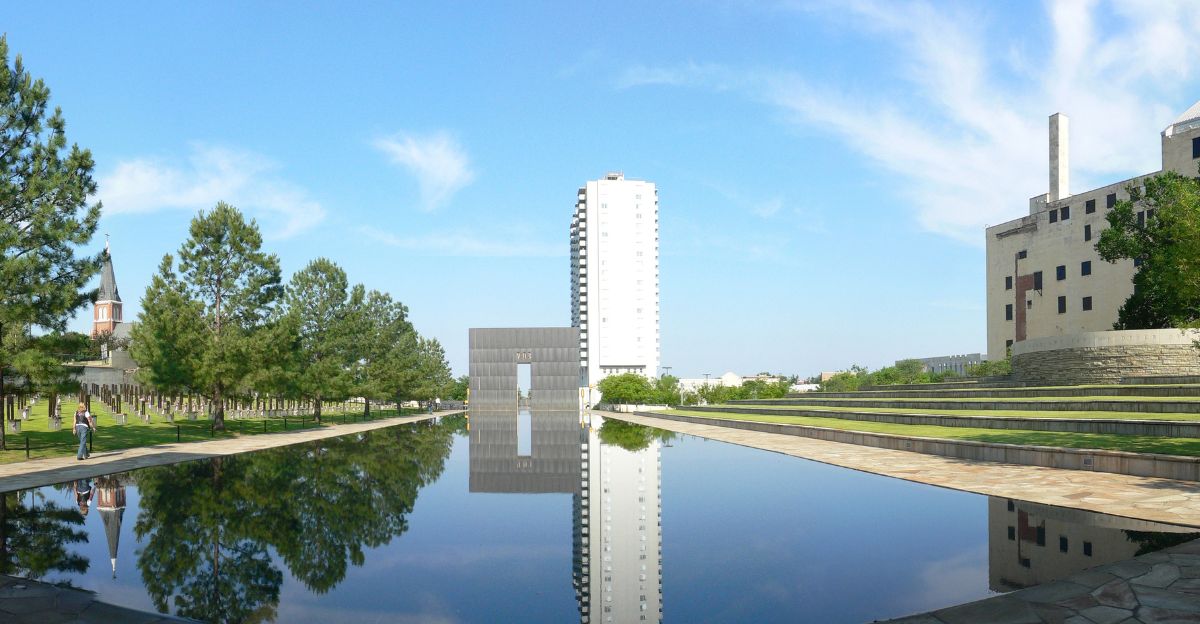
Farmington Hills, Michigan, is a hidden gem known for its robust arts scene and affordable housing, with median home prices around $362,000 to $380,000. The city’s Cultural Arts Division and local venues attract creatives and families alike.
Cedar Rapids, Iowa, offers the world’s largest Grant Wood art collection and a median home price of approximately $205,000 to $208,000—roughly 50% below the U.S. average. Residents enjoy a rich cultural environment at a fraction of big-city costs. Oklahoma City, Oklahoma, features the Paseo Arts District, home to more than 80 working artists and over 20 studios and galleries.
With typical home prices near $203,000 to $270,000—approximately 50% below the national average—OKC proves that vibrant arts communities can thrive outside coastal megacities.
A New Era for American Living
The 2025 rankings signal a decisive shift: Americans are choosing suburbs and mid-market cities for their balance of affordability, culture, and opportunity. Unlike previous years, coastal cities have been surpassed by communities that offer lower housing costs and robust cultural amenities. This reflects a broader societal trend toward valuing community and quality of life over the expense and pace of larger cities.
Looking Ahead: Growth and Opportunity
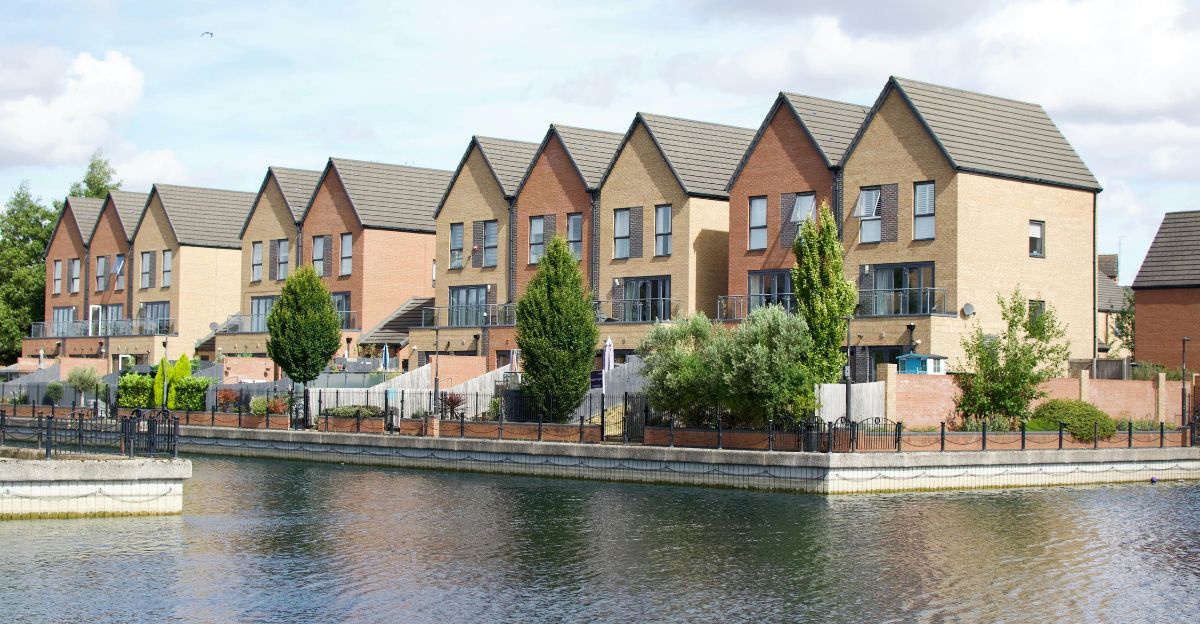
As more Americans seek homes that offer both affordability and cultural engagement, these cities are poised for continued growth. Increased demand may drive new investment and development, presenting opportunities for homebuyers and investors. The nationwide movement toward places that foster both economic stability and creative expression continues to gain momentum. Whether seeking a quiet retreat or a vibrant arts hub, the best places to live in 2025 embody the changing priorities of America’s future residents, promising communities built around opportunity, culture, and a purposeful way of life.
