
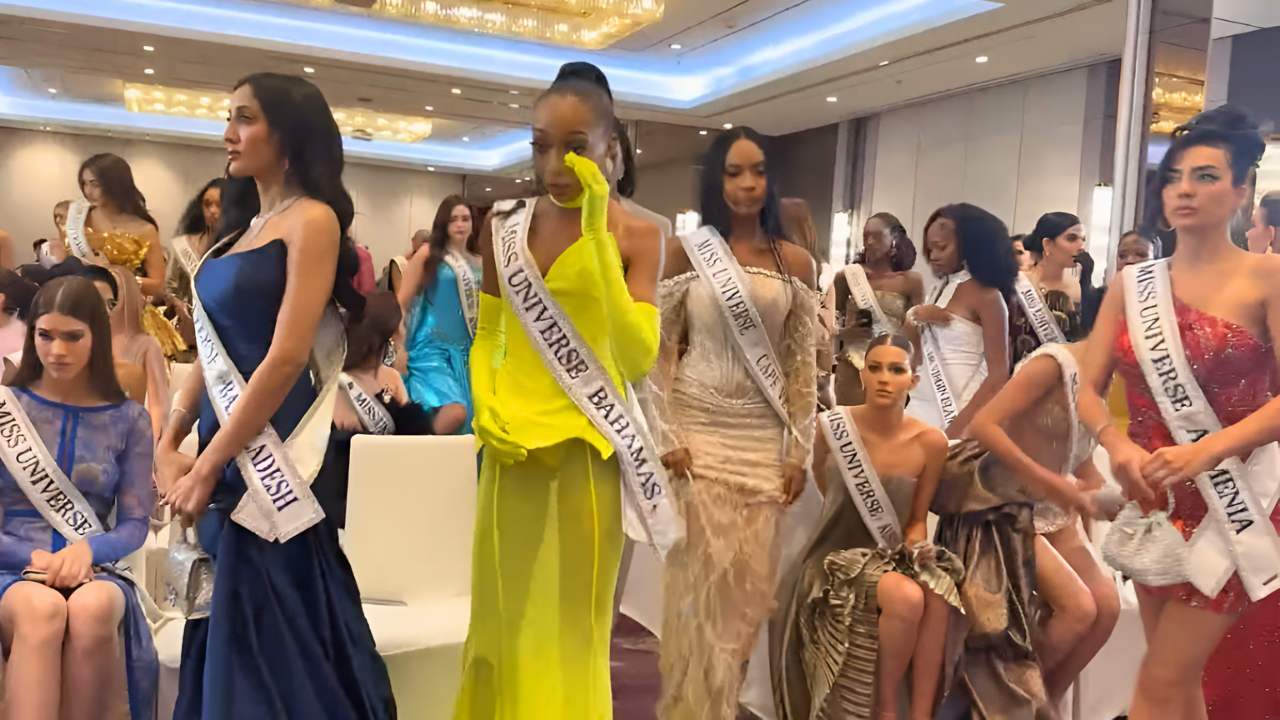
The Miss Universe community was rocked on November 4, 2025, when several contestants staged a mass walkout during a livestreamed pre-sash event in Pak Kret, Thailand. The protest, which was sparked by 60-year-old Thai executive and Miss Universe Thailand director Nawat Itsaragrisil’s public insult of 25-year-old Miss Mexico, Féliima Bosch, calling her “dumb” for not posting sponsor content, represented a group effort to oppose misogyny and authoritarian control within the pageant.
There were about 75 competitors in attendance, and most of them left in unison, a first in the competition’s 73-year history. On a global scale, this event highlights emerging feminist defiance, organizational accountability, and generational conflicts.
Miss Universe’s Historical Background and Contestant Activism

Since its founding in 1952, Miss Universe has primarily been a conservative platform dominated by patriarchal leadership and rooted in conventional beauty standards. In the past, contestants kept quiet about controversies in favor of pageantry and sponsorship commitments. The 2025 mass walkout represents a significant change from passive compliance to empowered activism and is the first recorded collective contestant protest in more than 70 years.
The coordinated walkout is a systemic challenge to established authority, even though individual contestants have occasionally voiced their opinions on social issues. This is a historic power shift within an institution that is symbolic of beauty and culture, and it reflects larger social movements in recent decades where women reject oppressive treatment.
The Conflict Between Generations and Age

A stark generational and cultural divide was revealed by the altercation: 60-year-old Nawat Itsaragrisil represents established, traditional male authority in the pageant industry. On the other hand, the majority of Gen-Z contestants, including 25-year-old Fátima Bosch, represent a generation that demands equality, respect, and autonomy. Beyond the pageant, this conflict reflects global feminist movements in which younger women oppose more established patriarchal structures.
The threat of disqualification and the verbal abuse are examples of antiquated authoritarian practices that are no longer acceptable in the era of social media empowerment. A collective generational awakening is highlighted by the contestants’ response, which includes the vocal support of current Miss Universe Victoria Kjaer Theilvig.
Dynamics of the Mind Endorsing the Walkout

The walkout serves as an example of social identity theory and group solidarity, where people band together to oppose perceived injustice. Contestants’ group cohesion increased when they witnessed a peer being publicly humiliated, triggering a collective protective response. Because the insult was public, there was more social pressure to take action because remaining silent would be interpreted as complicity.
Furthermore, by exhibiting agency and opposing internalized subordination, Bosch’s defiance empowered others. This widespread behavioral reaction also emphasizes how social media functions as a psychological amplifier, where the stakes of respect and public image motivate quick, visible action, changing the real-time negotiation of authority and dignity.
Crisis Management and Organizational Accountability
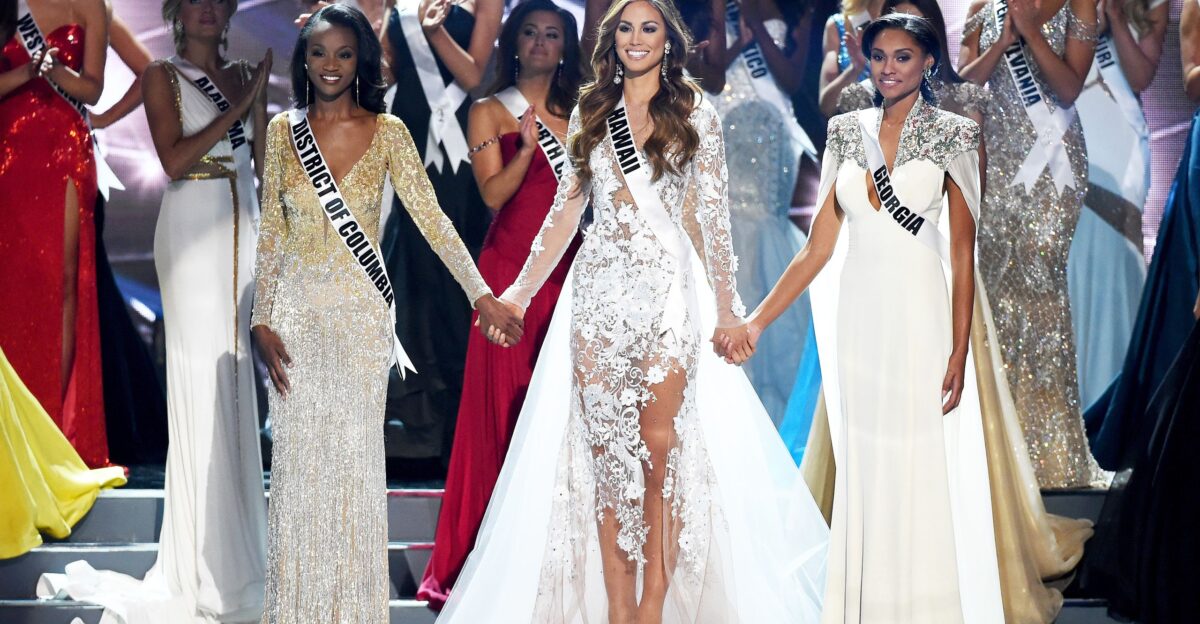
The Miss Universe Organization’s prompt response to denounce Itsaragrisil’s behavior and restrict his position highlights the growing intolerance for leadership misconduct, particularly when it comes to gender dynamics. This audacious action represents a change toward upholding moral principles and defending contestant rights. In addition to setting a precedent in international pageantry, the MUO’s announcement of corporate and legal actions emphasizes that abusive behavior will not be accepted regardless of cultural or hierarchical embeddedness.
However, this crisis highlights weaknesses in governance structures that have historically been viewed as authoritative and opaque, making it difficult for the organization to win back the trust of sponsors, viewers, and participants before the November 21 finale.
Implications of Sponsorship and Reputational Risk
The walkout poses significant financial risks due to the estimated $10 million global broadcast and substantial sponsorship money at stake. In order to avoid controversy, brands that are associated with Miss Universe must either disengage or associate with a progressive feminist moment. Itsaragrisil’s marketability could be damaged by the public outcry against it, which could cause future investments and partnerships to falter.
This incident demonstrates increased corporate awareness of moral behavior in the face of growing stakeholder and consumer activism, where brand choices are increasingly influenced by societal values. Although the MUO’s proactive approach seeks to limit repercussions, it might spur broader changes in the industry that prioritize moral leadership over established hierarchies.
The Potential of Real-Time Accountability and Livestreaming
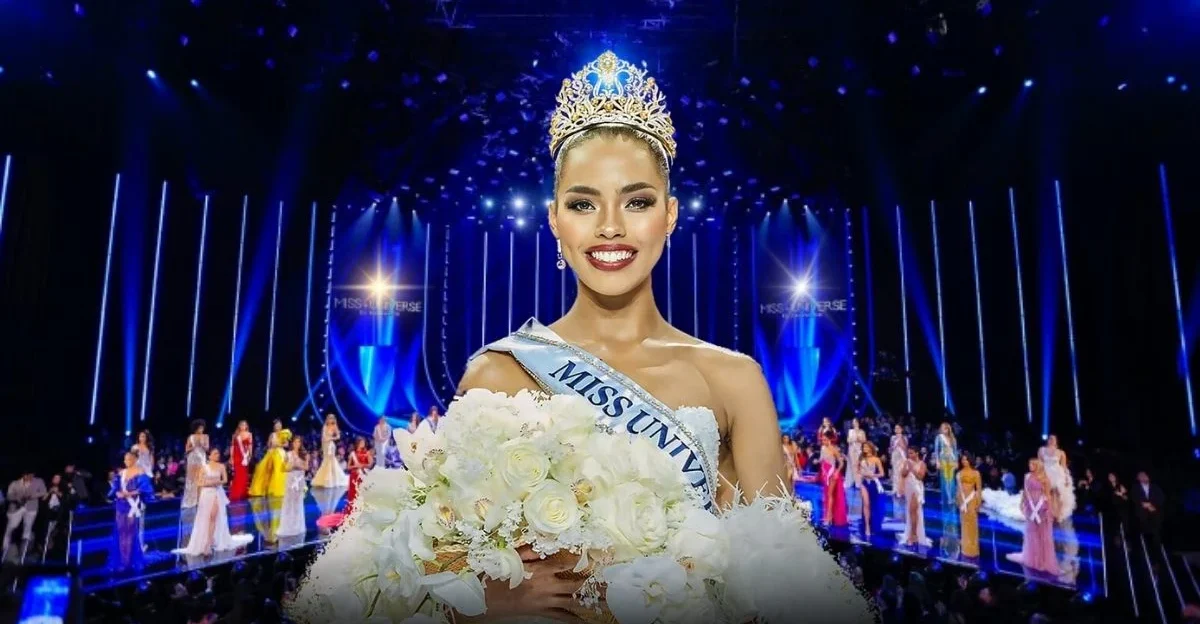
The incident’s complete livestream documentation, which was viewed by people all over the world, is a prime example of how digital transparency gives voice to those on the margins. Real-time video evidence forces prompt organizational and public responses by preventing spin or suppression. The impact was increased by the extensive sharing on social media, which transformed personal disagreements into international discussions about authority abuse and gender respect.
This digital immediacy ushers in a new era in which public opinion can quickly impact organizational behavior and traditional gatekeepers run the risk of losing control. The contestants’ protest became a worldwide statement due to the walkout’s viral nature, demonstrating how technology can spur systemic social change in the entertainment industry.
Glamour Spaces: A Feminist Rebellion
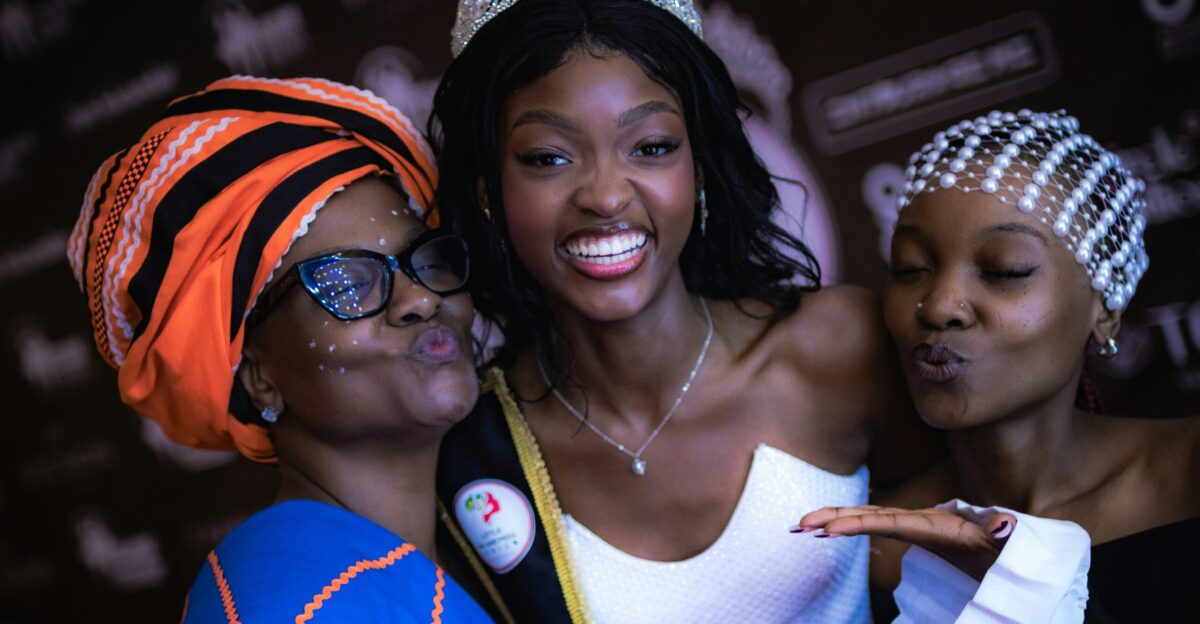
Through this event, beauty pageants, long denounced as objectifying or superficial, are radically redefined as platforms for empowerment. By presenting competitors as activists rather than decorative figures, the walkout questions the “shut up and smile” theory. Bosch’s declaration, “I’m not a doll to be made up,” perfectly captures this movement toward embodied feminism, which challenges conventional gender norms in glamorous settings.
Pageant organizers are forced to balance their branding with changing feminist ideals and contestant autonomy as a result of this uprising. Additionally, it amplifies more general feminist narratives that touch on issues of power, identity, and appearance.
Possible Repercussions for Pageantry and Other Fields

This unprecedented large-scale protest could challenge long-standing patriarchal control and spark similar demonstrations in other pageants and related industries. The incident might lead to more stringent rules of behavior, improved safeguards for competitors, and structural changes in international beauty pageants. In a broader sense, it contributes to an expanding list of movements in which younger generations demand respect in traditionally hierarchical domains, such as the modeling, entertainment, and corporate sectors.
This event has the potential to rebalance gender relations in symbolic public arenas, impacting global participant empowerment and future leadership norms. It also encourages contemplation of how cultural industries must change to avoid becoming obsolete in the face of shifting social norms.
Verified Information Regarding the Participants and the Incident
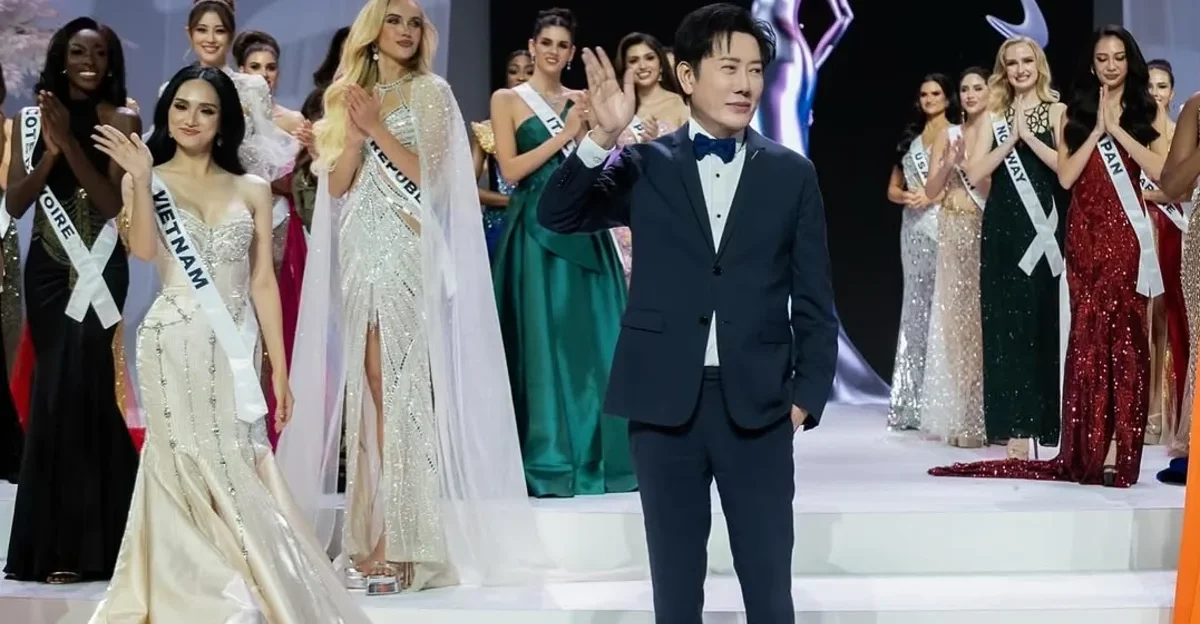
About 75 contestants attended a pre-pageant ceremony in Bangkok on November 4, 2025. The director of Miss Universe Thailand, Nawat Itsaragrisil, verbally assaulted Fátima Bosch for allegedly neglecting to post the necessary sponsor promotional materials, calling her “dumb” and calling for security to take her away. The majority of the contestants left as a result, with visual livestream evidence indicating that between fifty and sixty of them did so.
The Miss Universe Organization declared legal and corporate actions, intervened by limiting Itsaragrisil’s participation, and denounced his actions as malicious. Bosch confronted organizers directly, saying, “You are not respecting me,” highlighting the political significance and emotional intensity of the event. In the midst of increased international attention, the final competition continues on December 21.
The Coming Legal and Business Conflict

After the walkout, MUO declared that it would take legal action against Itsaragrisil. This is the first time that an executive from a host country has been subject to direct organizational sanctions. Corporate sponsors are reportedly reevaluating their associations while they review their contracts and reputational risks. This legal battle brings to light the changing governance issues in international pageants, where local cultural authority clashes with international norms of behavior.
The MUO’s bold actions established a standard for putting contestant welfare and moral leadership transparency first, which may change future host country choices and operational procedures. Establishing accountability and maintaining the integrity of the brand will be crucial in the upcoming weeks.
The Protest’s Statistical Dimensions

There were about 75 competitors present at the event, and the majority of them—roughly 50–60 women united in protest—participated in the walkout, accounting for 67–80% of the total. Delegates from about 120 countries usually participate in Miss Universe; the incident’s scope represents the majority of those in attendance and roughly half of the anticipated total number of contestants, which increases its significance.
Millions of people watched and shared the livestream on social media sites like Instagram (the official account has over 600K followers), Twitter, and TikTok in the 24 hours after the event, indicating widespread exposure. This response highlights how digital platforms can magnify the power of collective action.
Contestant Overreach Risks
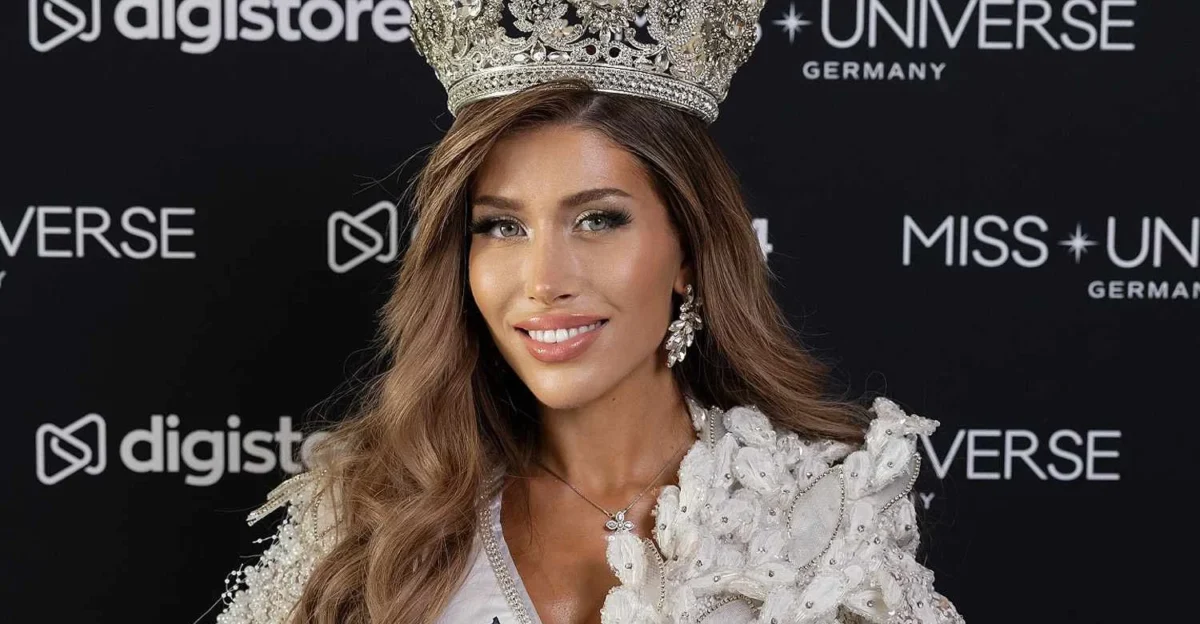
Critics warn of possible dangers when contestants publicly challenge organizational authority, despite the fact that many applaud the walkout as empowering. Some contend that pageants, which have historically emphasized beauty and cross-cultural interaction, run the risk of becoming politicized, which could turn off sponsors and divide viewers.
There are worries that by painting contestants as controversial, such public disputes could harm their chances of landing a job in the future. The pageant’s sustainability may also be harmed by organizational chaos prior to a high-profile final. This viewpoint calls for prudence and promotes reform and internal discussion over conflict. However, the intense opposition to Itsaragrisil raises the possibility that silence is no longer morally or sustainably acceptable.
Prospects for the Future and Wider Cultural Effects
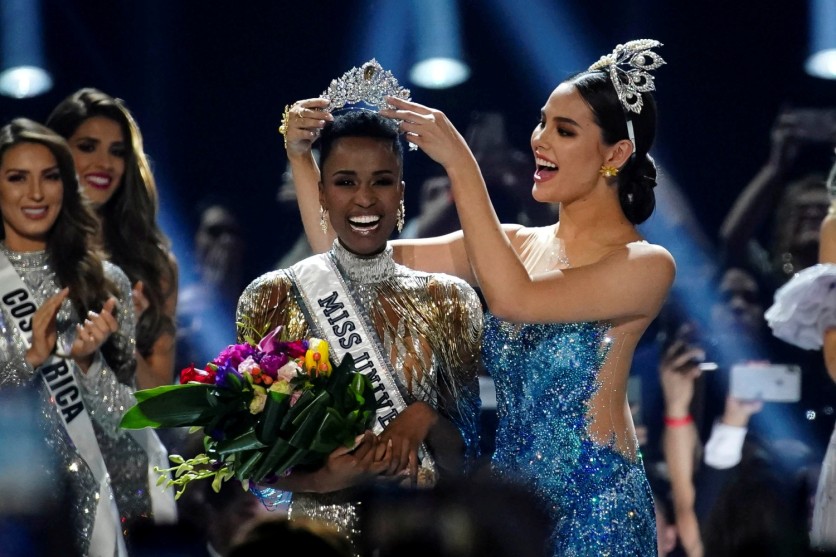
The Miss Universe walkout predicted fundamental changes in gender politics in international cultural sectors. It might motivate pageants to implement clear leadership guidelines, give contestant mental health top priority, and more overtly incorporate feminist ideals. The widely shared demonstration also serves as a model for other entertainment industries dealing with harassment and toxic leadership. Beyond the pageant realm, this event is a reflection of and a catalyst for broader feminist activism in the 2020s, where digital tools improve collective resistance and transparency.
Future cultural norms regarding behavior and respect will be influenced by Miss Universe’s post-conflict recovery strategy, which could turn an event that is frequently written off as superficial into a forum for significant social advocacy.
The Educational Potential of Group Opposition

A powerful symbol of generational feminist defiance and a demand for respect in international cultural spaces, the mass walkout of Miss Universe contestants in 2025 goes beyond a simple organizational scandal. In the face of digital transparency and collective agency, it exposes the weakness of patriarchal control.
Because of the contestants’ actions, long-standing power structures were threatened, institutional accountability was forced, and pageantry was reimagined as a platform for empowerment rather than objectification. This event provides a model for how marginalized voices can strategically use collective protest to enact change while maintaining dignity, despite its psychological, social, and legal complexity. Miss Universe and a whole cultural ecosystem that struggles with gender, power, and respect will probably change as a result.

