
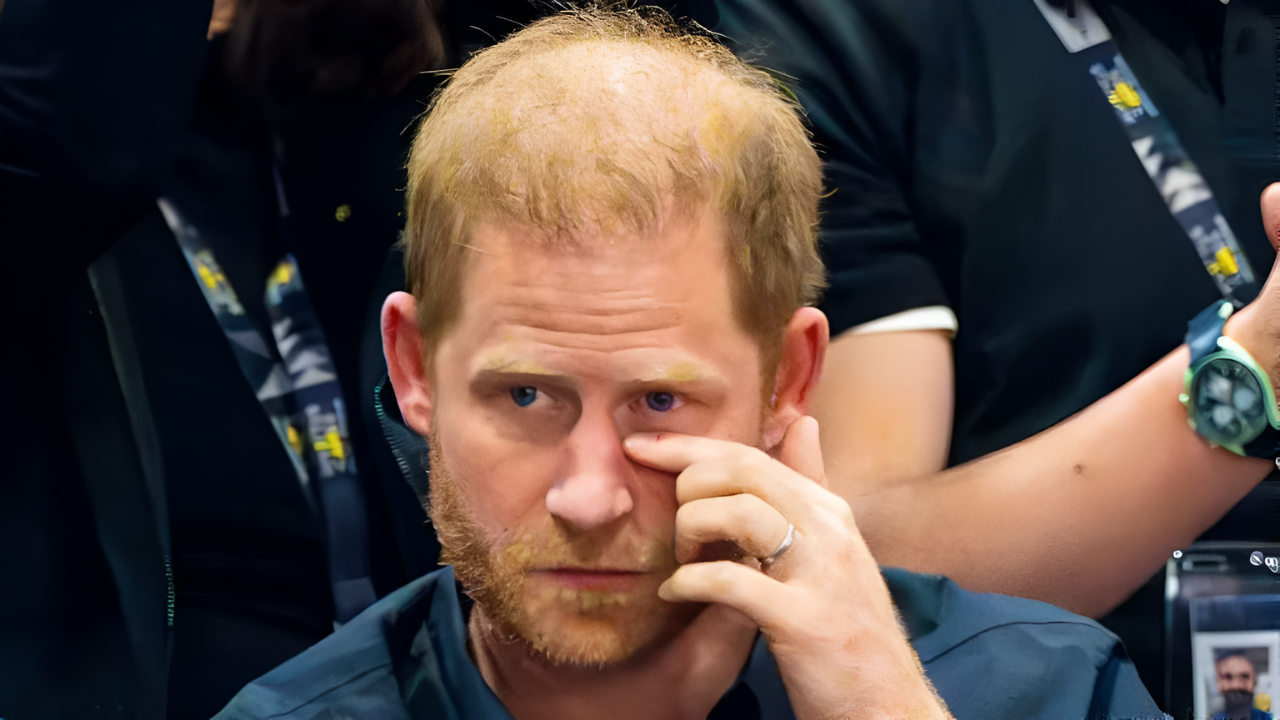
In the 1980s, Tina Brown was at the helm of Tatler during Princess Diana’s rise to iconic status, closely covering her dramatic shift from aristocrat to global sensation.
Brown’s authoritative voice on Diana was solidified with the release of The Diana Chronicles in 2007, a landmark biography that cemented her as the leading expert on Diana’s life.
With a unique vantage point, including a well-documented lunch with Diana at the Four Seasons in July 1997, Brown had an insider’s perspective on the princess’s personal and public worlds. Today, she continues to shape royal discourse through her books, podcasts, and media appearances.
Decades of Royal Commentary
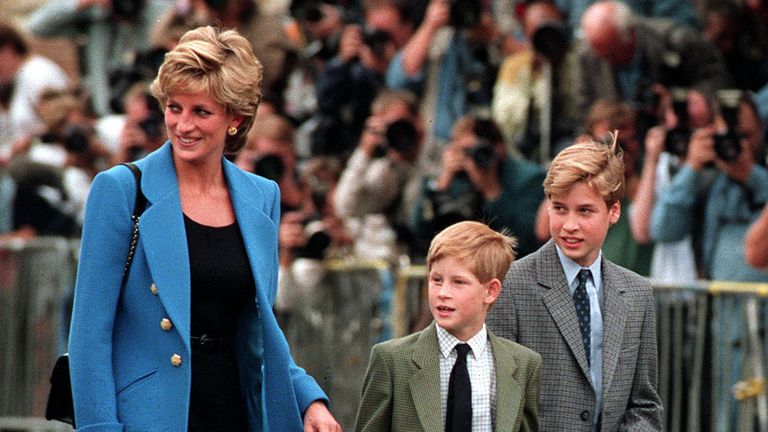
Brown did not retreat from public life after The Diana Chronicles. She edited Vanity Fair and published The Palace Papers in 2022—a comprehensive account of the Windsor family, spanning from Diana’s death to the Sussexes’ departure to California.
In October 2024, Brown gave a podcast interview critiquing both Harry and Meghan’s professional decisions. In April 2025, she spoke to The Telegraph about the couple’s struggles in America.
Throughout 2024–2025, Brown maintained an active public presence via media interviews and her Substack newsletter, making regular observations about the royal family’s trajectory.
The Sussex American Dream
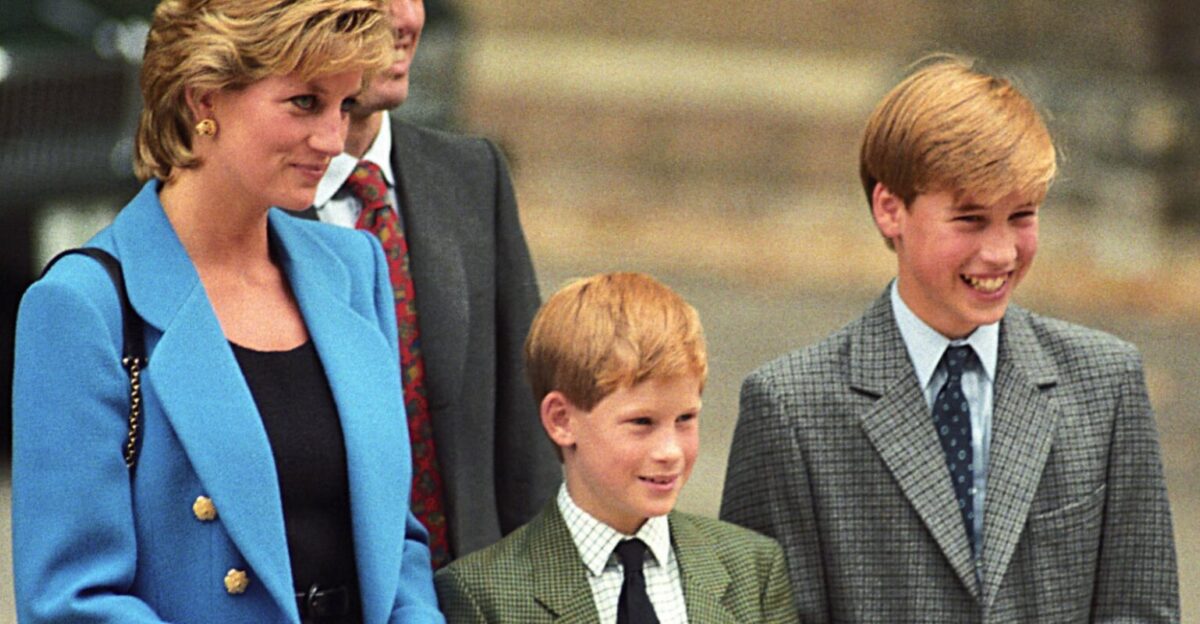
Prince Harry and Meghan Markle departed from full-time royal duties in January 2020, eventually settling in Montecito, California. They signed a multi-year deal with Netflix to produce documentaries, and Harry released his memoir Spare in January 2023.
Meghan launched an American Riviera Orchard lifestyle brand in January 2024. Despite A-list connections and massive initial media attention, the couple’s American ventures struggled to gain sustained traction.
Industry observers noted a sharp reversal from their initial reception in the U.S., where they had been celebrated as fresh additions to celebrity culture.
The Professional Pressure Mounts
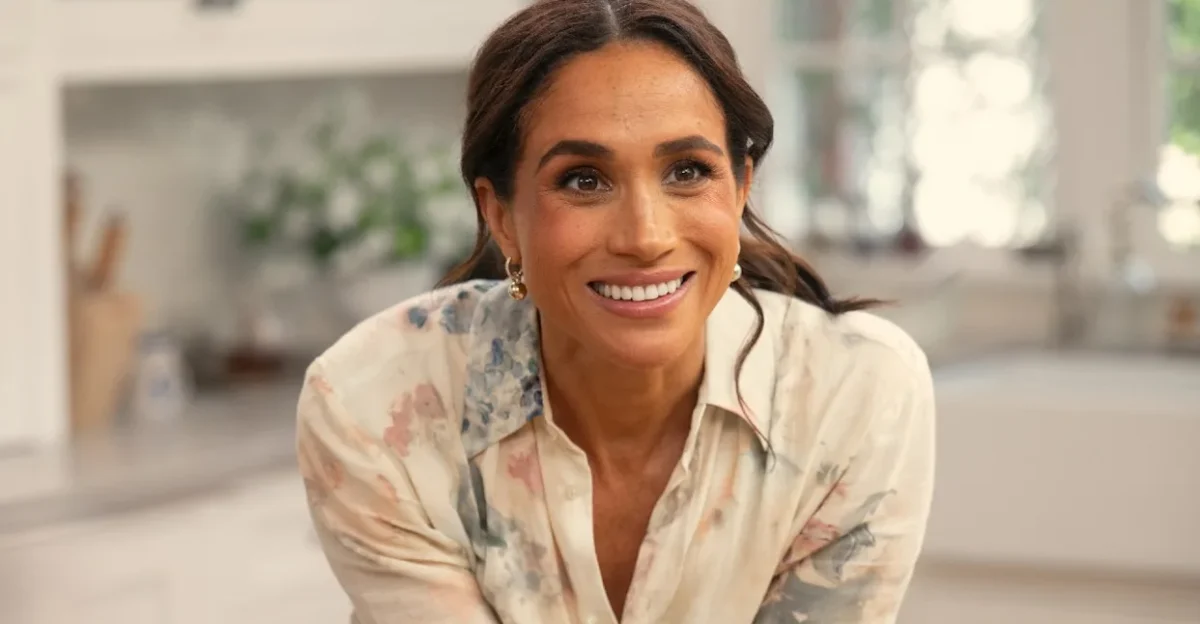
By late 2024, the Sussexes’ projects faced public and industry criticism. Meghan’s lifestyle brand faced delays and skepticism. Netflix documentaries generated controversy rather than uniformly positive reviews.
A-list collaborations failed to materialize. Hollywood insiders began questioning the couple’s judgment and business acumen. Industry publications reported that doors previously open had started to close.
The couple’s public approval ratings declined. By November 2025, the narrative shifted from “royal couple reinventing themselves” to “struggling to find their footing.”
The November Criticism
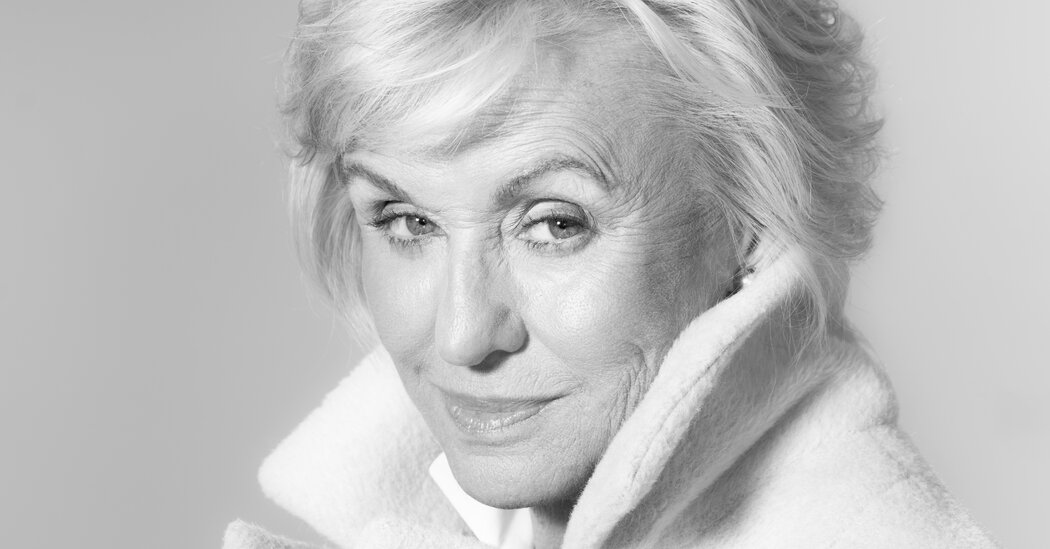
In a November 2025 interview with The New York Times, Tina Brown delivered a scathing assessment of both Harry and Meghan. Brown stated, “I have never seen anybody in professional life make as many mistakes as Meghan has. And unfortunately, Harry is not the brightest bulb, either.”
The comment characterized Meghan’s decision-making as catastrophically poor and questioned Harry’s intellectual capability to navigate post-royal life.
Brown also labeled the couple “pariahs everywhere,” suggesting they had become social and professional outcasts in America, the country they had moved to in search of opportunity.
The Insult’s Reach

The phrase “not the brightest bulb” immediately circulated across mainstream and social media. British tabloids, celebrity news outlets, and royal commentary platforms amplified Brown’s words. The insult was characterized as “devastating,” “brutal,” and “harsh.”
Multiple publications noted that Brown’s comment was particularly cutting because she spoke from decades of observation of the royal family.
American entertainment media also covered the statement, marking it as a significant moment in the Sussexes’ narrative collapse. The comment became the defining quote in dozens of articles about Harry and Meghan’s professional struggles.
Meghan’s Own Struggles
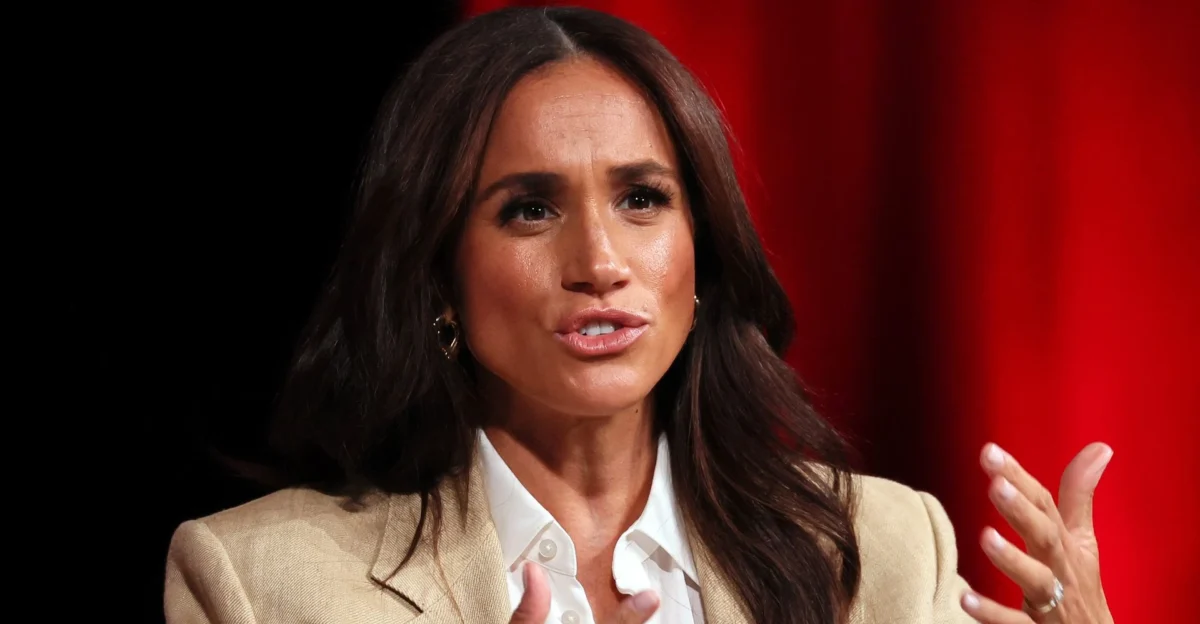
Brown’s criticism of Meghan’s decision-making came as the duchess launched her “As Ever” lifestyle brand—a venture focused on wellness, home design, and luxury products. Early reviews were mixed. The brand faced supply chain delays and a lukewarm industry reception.
Fashion and lifestyle journalists questioned whether Meghan possessed the business acumen to scale a luxury brand successfully.
Insiders noted that previous ventures—Suits acting career, The Tig lifestyle blog, the cookbook Together—had not translated into sustained business success. The “As Ever” launch became the focal point for discussion about Meghan’s professional judgment.
Industry Consensus Hardens
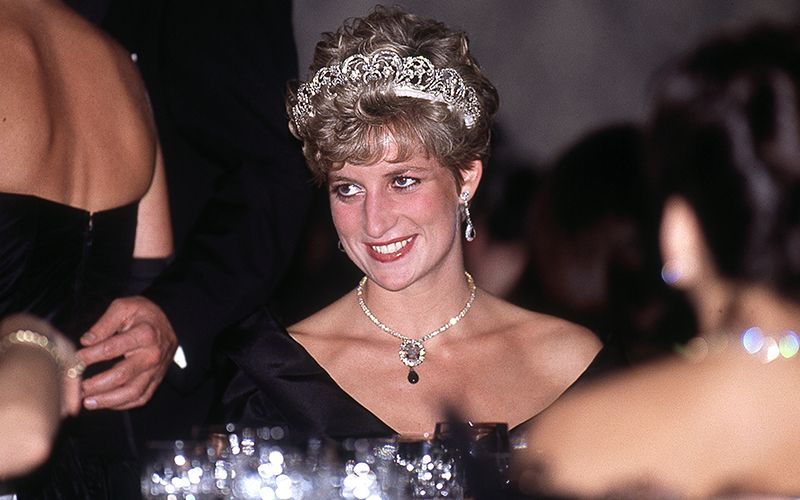
Brown’s harsh assessment reflected a broader shift in Hollywood and media circles. Industry veterans, A-list managers, and celebrity publicists began using terms like “grifters,” “flop,” and “pariahs” to describe the Sussexes.
Podcast hosts and entertainment commentators debated whether the couple had squandered their unique position. Talent agents confirmed that their phones had stopped ringing with collaboration offers.
Major brands that had once courted the couple for partnerships distanced themselves. The professional ecosystem that had briefly celebrated their arrival now actively excluded them.
The Broader Royal Context
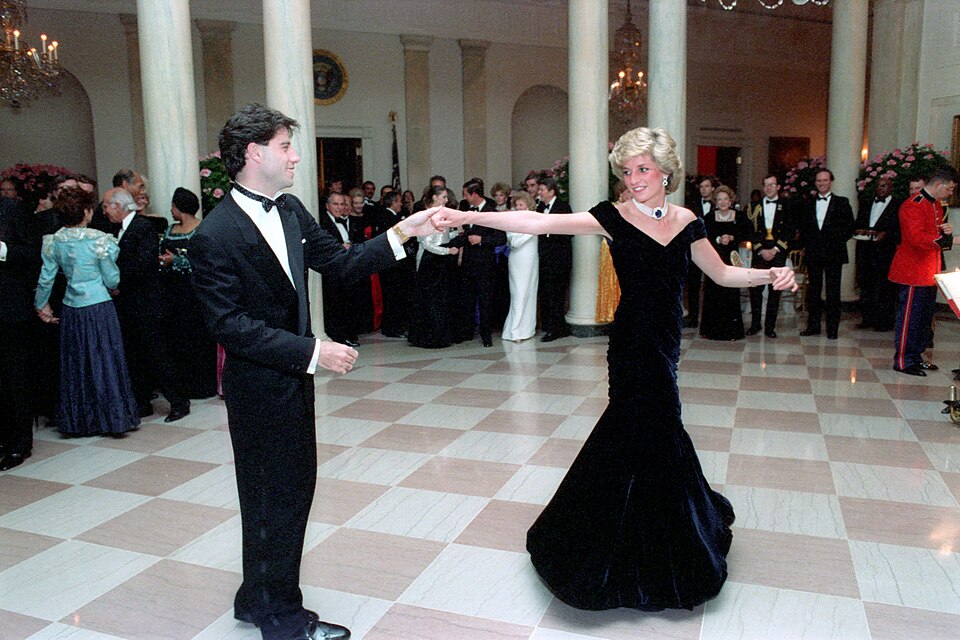
Brown’s November 2025 comments arrived amid a broader narrative about the royal family’s fragmentation. The William-Harry rift, which began around 2017 over Harry’s relationship with Meghan, had deepened through the Megxit departure (2020), the Oprah interview (2021), and Harry’s memoir Spare (2023).
The brothers had not been photographed together since summer 2024. King Charles’s cancer diagnosis (February 2024) had prompted brief reconciliation hopes, but no substantial healing occurred.
The royal family remained publicly fractured, with William and Kate representing the monarchy’s official future while Harry and Meghan operated as independent figures in America.
The Diana Shadow
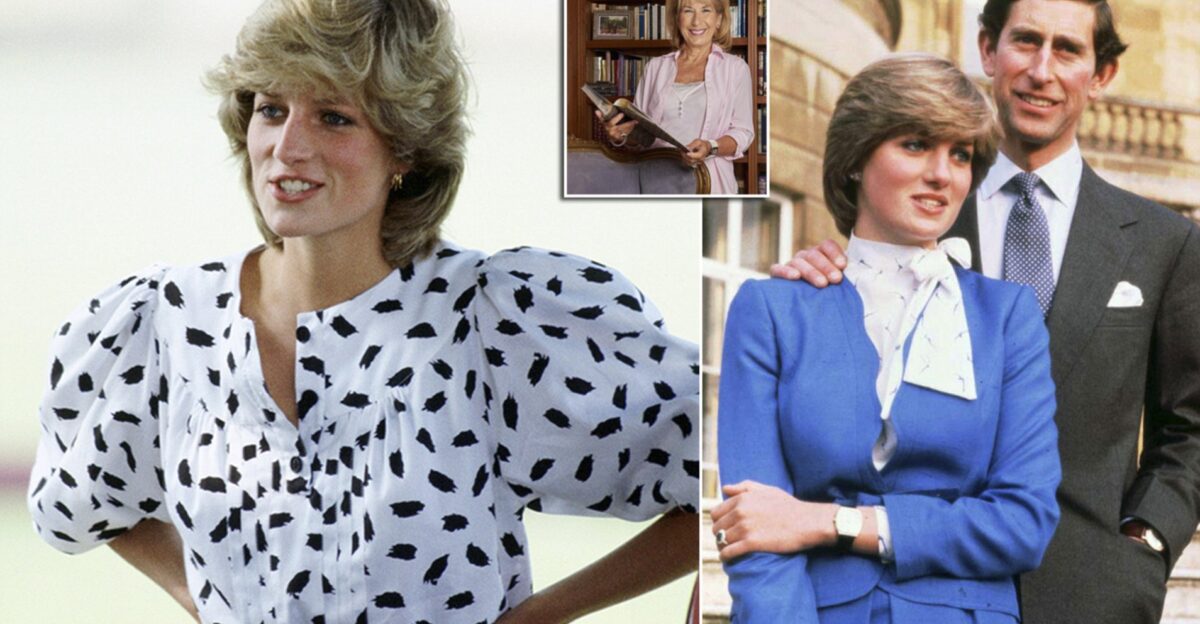
A secondary layer of significance underlay Brown’s criticism: she was Diana’s friend and biographer, commenting on Diana’s son. Brown had written extensively about Diana’s protective instincts toward her children and her hopes for their futures.
Some observers noted a poignant irony—Diana’s former associate was now issuing a harsh public judgment on how Harry had chosen to live his life post-monarchy.
Others suggested Brown’s comments reflected disappointment that Diana’s careful parenting and legacy had not translated into Harry’s professional success or emotional stability. The criticism carried the weight of Diana’s absent voice.
Harry’s Position
Harry had publicly stated that he moved to America partly because he believed Meghan would serve as his “guide” to navigating life outside the palace. In Spare and various interviews, Harry portrayed Meghan as his anchor and emotional support during the transition from royal life.
Brown’s characterization of Harry as intellectually unprepared for independent decision-making directly contradicted Harry’s self-narrative. The comment implied Harry had been dependent, naive, or manipulated.
Royal insiders noted that Harry had not publicly responded to Brown’s criticism, although aides indicated it had been reviewed and marked as hostile commentary from a historical family observer.
The Meghan Question
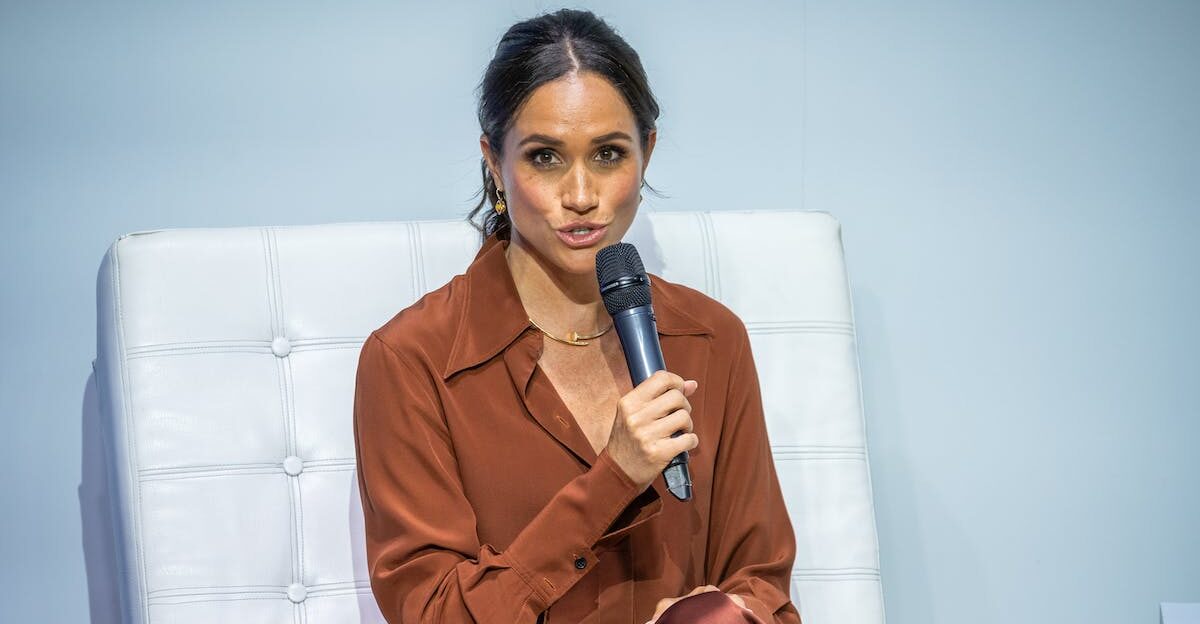
Brown’s repeated criticism of Meghan’s professional judgment raised a fundamental question about agency and accountability. Supporters of Meghan argued that she had attempted legitimate business ventures in a hostile media environment.
Critics, including Brown, contended that Meghan had consistently made poor strategic choices—such as timing, messaging, and partnerships—that undermined her ventures.
Brown’s comment, “I have never seen anybody in professional life make as many mistakes as Meghan has,” suggested a pattern of compounded errors rather than isolated missteps. This framing shifted focus from external obstacles to internal decision-making capacity.
The “Pariahs Everywhere” Label
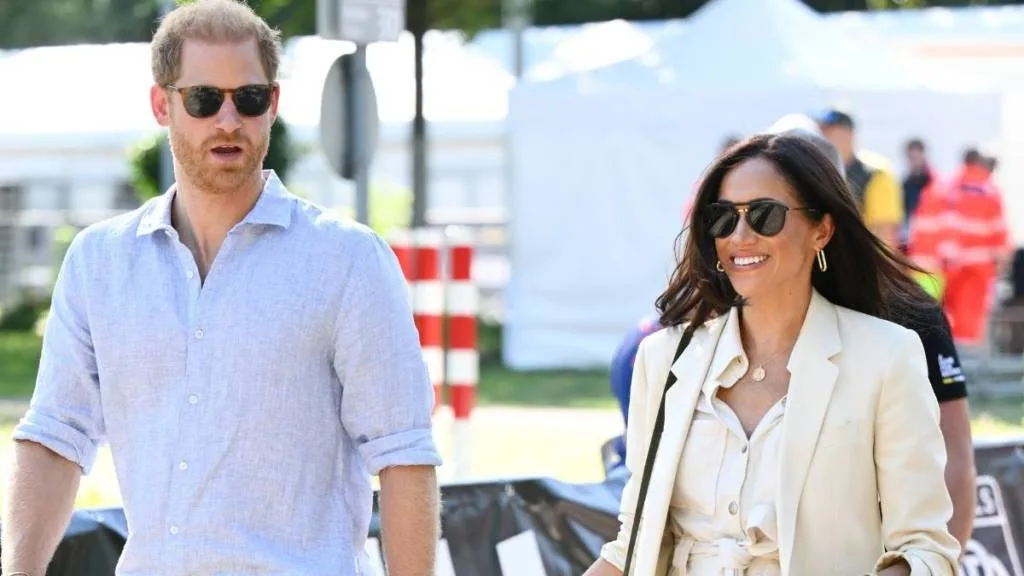
Brown’s use of the phrase “pariahs everywhere” suggested that the Sussexes had achieved a complete social and professional reversal. In 2020–2021, they had been celebrated as progressive, modern royals bringing authenticity to celebrity culture.
By 2025, Brown suggested they had become social outcasts—rejected by Hollywood, dismissed by media, and isolated from both the royal family and the celebrity elite.
The characterization implied that their position had become untenable: no longer royals, not fully accepted by American society, estranged from family. Brown’s phrase encapsulated the narrative of profound displacement and professional failure.
The Netflix Question Lingers
The Sussexes’ multi-year Netflix deal, reportedly valued at approximately $100 million, remained partially unfulfilled by November 2025. The released documentaries had underperformed in terms of both critical and audience expectations.
No major announcements about future projects emerged. Industry observers questioned whether Netflix would renew or extend the deal, or whether the Sussexes’ reduced professional viability had affected the platform’s commitment.
The Netflix partnership had been framed as their financial anchor in America. Its uncertain status raised broader questions about their long-term financial sustainability and professional relevance in an industry that moves rapidly, and discards failed ventures quickly.
The Timing Question
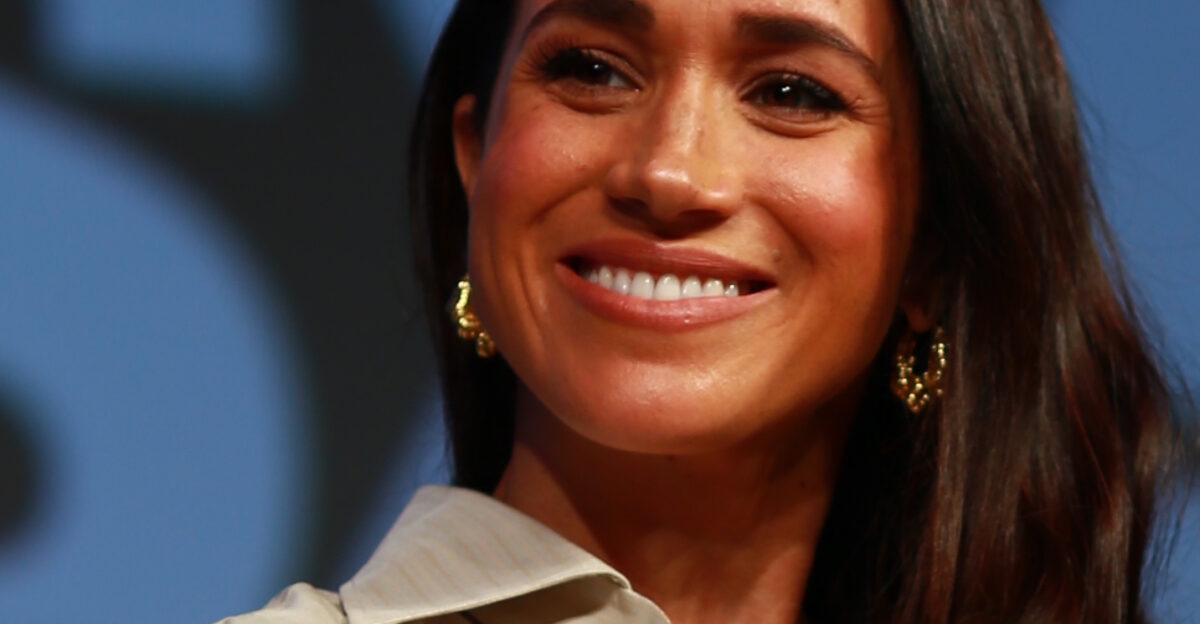
Why did Brown release such severe criticism in November 2025? The timing corresponded with Meghan’s “As Ever” brand launch phase, suggesting Brown’s comments were partly reactive to what she perceived as another failed venture in the making.
Brown may have intended her criticism to serve as a cautionary tale or a reality check. Alternatively, the timing reflected the New York Times’ editorial calendar rather than Brown’s strategic choice.
The broader context suggested a mounting frustration among royal observers: the Sussexes’ apparent inability to launch successful ventures after five years in America had exhausted patience among those who initially supported their independence.
The Royal Family’s Silence
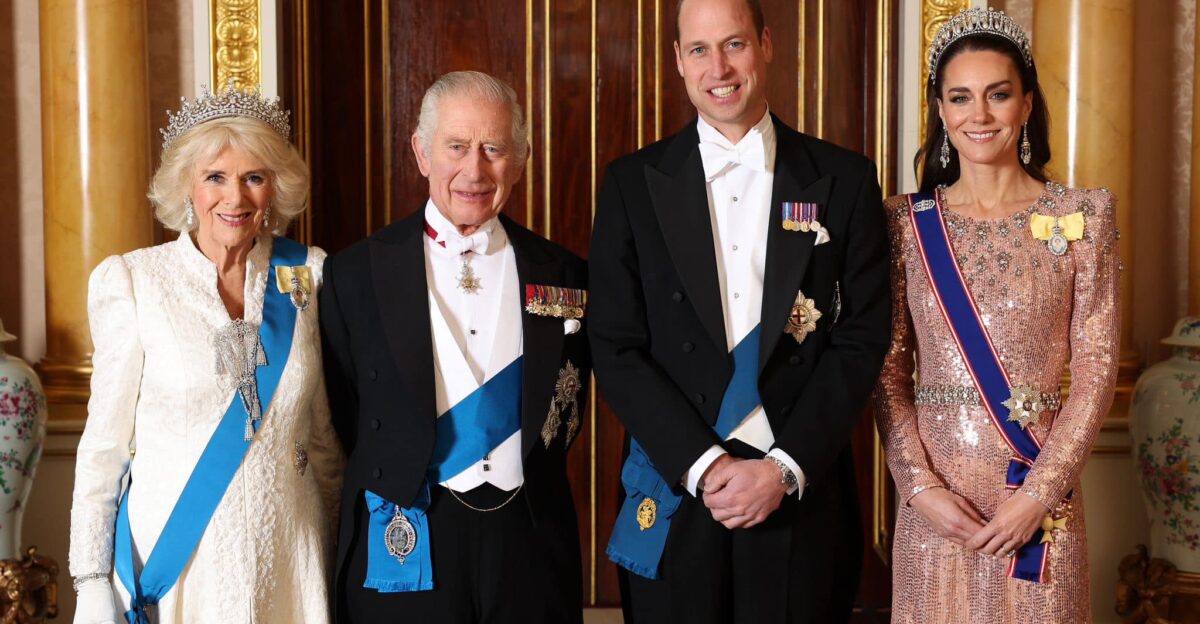
Notably, neither King Charles, Queen Camilla, Prince William, nor Kate issued public statements responding to Brown’s criticism of Harry. The palace maintained its long-standing position of not commenting on media coverage or public criticism.
However, observers noted that the absence of defense from the royal family—or any signal of unity with Harry—implicitly reinforced Brown’s narrative that Harry had become isolated.
Royal insiders suggested the family viewed Brown’s comments as reflecting broader industry sentiment rather than an aberration. The family’s silence effectively validated Brown’s assessment as a credible observation from a trusted historical voice.
American Media’s Role
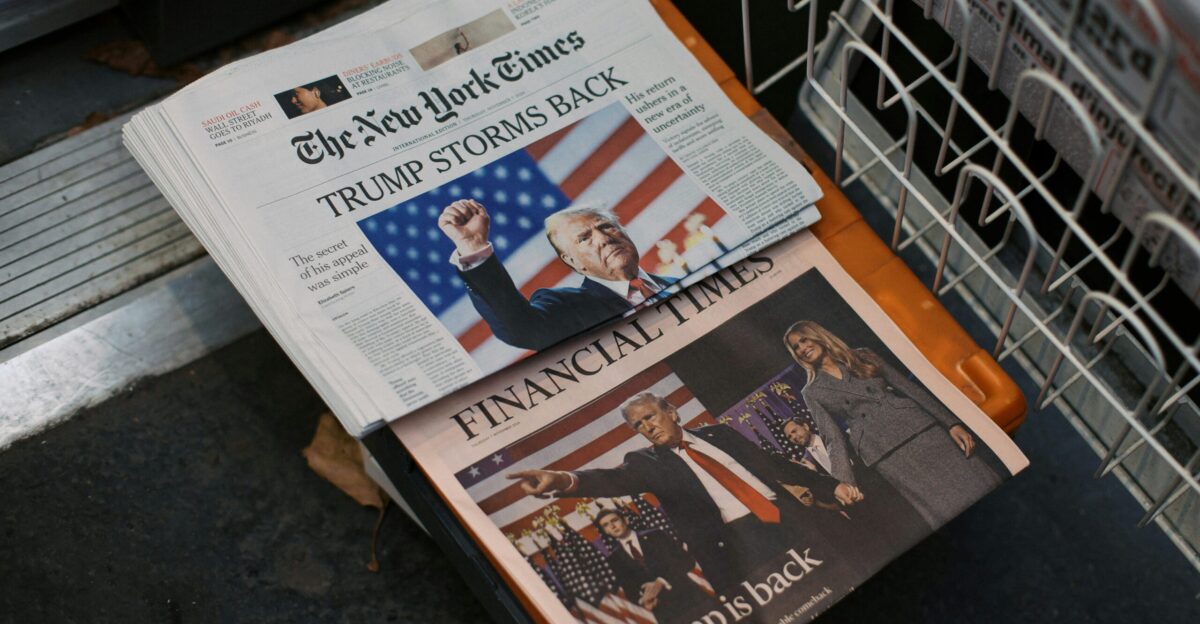
American entertainment media presented Brown’s criticism as a significant moment in the Sussexes’ narrative in the United States. U.S. outlets emphasized that Brown was not a tabloid sensationalist but a serious biographer and historian with decades of credibility.
This framing lent weight to her criticism, which might not have been received from other sources. American journalists debated whether the couple had been dealt a fair hand by the media or whether their own choices had precipitated their professional decline.
The Atlantic, Vanity Fair, and other serious publications engaged with Brown’s assessment as part of broader discussions about celebrity, authenticity, and the American cultural moment.
The Legal and Financial Implications

As the Sussexes’ professional ventures faltered, questions emerged about their long-term financial position. The Netflix deal’s uncertain status, the underperformance of luxury brand ventures, and reduced media opportunities raised concerns about cash flow and investment returns.
Legal and financial analysts noted that the couple’s legal disputes with media outlets in both Britain and America continued to incur costs.
Some observers speculated about whether the couple might face pressure to relocate, launch new ventures, or seek reconciliation with the royal family as a means of reviving their public profile and commercial viability. Their California residence and American lifestyle depended on sustained income generation.
The Cultural Reckoning

Brown’s criticism reflected a broader cultural moment in which the mythology of the “royal escape” had collapsed. The narrative that had driven interest in Harry and Meghan—a prince and actress rejecting institutions to build an authentic life in America—had inverted into a story of professional failure and emotional isolation.
Brown, as a chronicler of Diana’s life, was uniquely positioned to offer a historical perspective: Diana had died in a public tragedy but maintained cultural reverence; Harry and Meghan were experiencing a slower, professional dissolution.
The generational and cultural stakes had shifted. The question was no longer whether the Sussexes could reinvent themselves but whether American celebrity culture would continue to provide them a platform at all.
The Unresolved Future
By December 2025, no clear path forward had emerged for the Sussexes. Brown’s November assessment stood largely unchallenged by substantive counter-narratives. The couple’s professional ventures remained stalled.
The William-Harry rift showed no signs of healing. Meghan’s “As Ever” brand struggled to gain momentum. The question facing Harry and Meghan was whether they would attempt to rehabilitate their public and professional standing, pursue quieter lives out of the spotlight, or seek some form of reconciliation with the institution they had abandoned.
Brown’s criticism—rooted in decades of royal observation and delivered with the authority of Diana’s biographer—had crystallized a growing consensus that the American chapter of the Sussex story was not a triumph but an unfolding professional tragedy.
Sources:
New York Times Nov 2025 interview
Telegraph Apr/Nov 2025 interviews
BBC/CNN/NPR archives
Express/Mirror royal coverage Nov/Dec 2025
Variety/Hollywood Reporter industry analysis
Financial Times celebrity business reporting
Wikipedia biography records

