

Merit Street Media was essentially dissolved on October 28, 2025, when U.S. bankruptcy Judge Scott W. Everett ordered the company’s Chapter 11 bankruptcy case to be converted to Chapter 7 liquidation. Three months after its launch, in July 2025, Merit Street Media, a TV network startup founded in April 2024 as a joint venture between Christian broadcaster TBN and Dr. Phil McGraw’s Peteski Productions, filed for Chapter 11 bankruptcy protection.
TBN countersued McGraw, alleging covert attempts at self-enrichment, while Merit Street sued TBN for breach of contract, intensifying the legal battle. The company’s demise was sealed by the judge’s crucial conclusion that McGraw erased a text message outlining plans to “wipe out” creditor claims in order to shield preferred parties.
The Historical Background of the Meteoric Rise and Fall

One of the quickest failures in celebrity-backed media endeavors is Merit Street Media, which collapsed in just 18 months from launch to liquidation order. Merit Street’s three-month operational window prior to declaring bankruptcy indicates severe mismanagement and inflated business projections, in contrast to traditional startups that struggle for years.
Celebrity endeavors in television have traditionally thrived on reputation and devoted fan bases; Dr. Phil’s brand, with decades of audience trust, ought to have supported the startup. Rather, similar to previous media endeavors that overestimated brand equity as a guarantee of success and underestimated industry complexities, this collapse highlights vulnerabilities in leveraging celebrity influence without strong operational foundations.
The Legal Whirlwind: Claims and Lawsuits

A toxic breakdown in the partnership is evident in the Merit Street v. TBN lawsuit and TBN’s countersuit against McGraw. TBN retaliated by accusing McGraw of secretly enriching himself at the company’s expense after Merit Street accused TBN of violating contracts that threatened the network’s survival. The bankruptcy was further complicated by the unprecedented legal animosity between a prominent Christian network and a famous psychologist.
By the time of Judge Everett’s decision, the story had changed to accusations of deceit and sabotage, an uncommon situation in collaborations involving religious broadcasting and celebrity media, after the courtroom drama exposed underlying mistrust.
The Smoking Gun: The Deleted Text Message

In bankruptcy proceedings, Judge Everett’s explicit conclusion that Dr. Phil erased a crucial text message outlining plans to “wipe out” creditor claims is uncommon and damning. Deliberately erasing such messages in the age of digital storage and forensic recovery indicates either carelessness or deliberate concealment.
McGraw’s credibility was directly damaged by this action, which also affected the judge’s harsh reaction, changing the bankruptcy proceedings from attempts at reorganization (Chapter 11) to outright liquidation (Chapter 7). McGraw’s intentions and legal strategy are called into question by this erased evidence, which represents a breach of fiduciary and legal trust and provides the judge with enough justification to halt restructuring efforts.
Chapter 11 to Chapter 7: Hope Collapses

A Chapter 11 bankruptcy usually indicates that the company wants to restructure its debts and start over. Despite early setbacks, Merit Street’s initial bankruptcy filing in July 2025 indicated hopes for survival. These hopes were dashed, though, when Judge Everett converted the company to Chapter 7 in October 2025, demonstrating the court’s lack of faith in management’s restructuring plans as a result of evidence manipulation and creditor manipulation.
Chapter 7 liquidation makes the original business plan unfeasible by requiring quick asset sales to pay off creditors. This change demonstrates the judiciary’s vital role in upholding corporate responsibility, particularly in high-profile celebrity endeavors that are subject to investor and public scrutiny.
Asset Sales: The Fire Sale for $10–50 Million

The forced sale of Merit Street Media’s assets could bring in between $10 million and $50 million, according to industry norms for new TV networks with celebrity support. These resources probably consist of contracts, intellectual property, licensing rights, and broadcasting infrastructure. These sales frequently lead to sharp discounts and dispersed revenue streams, which are detrimental to both creditors and stakeholders.
A creditor showdown results from the competition of creditors, who are thought to number between ten and thirty entities, including TBN and Professional Bull Riders, to recover losses. This liquidation highlights the difficult financial realities behind celebrity-media endeavors and represents a significant financial decline from the estimated $500 million empire envisioned at launch.
Favored vs. Unfavored in the Creditor Conflict

According to Judge Everett’s decision, McGraw tried to manipulate the payback hierarchy by giving preference to some creditors over others, most notably Professional Bull Riders and TBN. If verified, this manipulation of the hierarchy would be against bankruptcy law and increase mistrust among creditors. In Chapter 7 liquidation, the competition between creditors reduces recoverable amounts while increasing legal complexity and lengthening resolution timelines.
The division between favored and unfavored creditors fuels debate about McGraw’s moral behavior, with TBN accusing him of taking advantage of a faith-based partnership for his own benefit. This narrative damages McGraw’s reputations in both the religious and entertainment spheres and increases public scrutiny.
Celebrity Bankruptcy Is Unlike Your Own

Due to complicated financial structures, multiple contract obligations, and public perception, bankruptcy involving well-known people and businesses frequently deviates from typical cases. Dr. Phil’s case serves as an example of this; although the fundamental legal frameworks are still in place, brand value, public trust, and multimillion-dollar media assets are at stake.
Courts also consider the possible harm to stakeholders differently, particularly when there is evidence tampering. The case shows that reputations and fortunes can fall apart just as quickly, challenging the widespread notion that celebrity equates to invincibility. In celebrity-led business endeavors where financial law and personal brand intersect, this example calls for caution and the dispelling of ignorance.
Challenges in the Media Sector: Why Startups Fail Quickly

With high capital costs, competitive content markets, and changing viewer habits, the television and streaming startup landscape is dangerous. Rapid technological advancements, fluctuating ad revenue, and contract disputes pose a threat to networks, even those that were established with strategic alliances and powerful celebrities. These industry issues, which are exacerbated by internal strife and purported managerial misconduct, are reflected in Merit Street’s quick demise.
Over 60% of media startups fail within two years, according to industry data, and this case emphasizes that star power does not protect businesses from operational and market realities. The failure serves as an example of the risks associated with integrating entertainment with intricate business models in the absence of strict governance.
The Vulnerability of Reliable Figures

Dr. Phil McGraw became America’s go-to advisor by making a career out of writing prescriptions for people’s problems. The collapse of his empire reveals a basic psychological paradox: even the most dependable individuals are susceptible to poor leadership and poor decision-making.
The controversy surrounding erased evidence and allegations of self-enrichment erodes public confidence and serves as a lesson in responsibility and humility. In terms of psychology, it shows how fame and power can undermine integrity and decision-making, posing concerns about distinguishing the real person from the persona and serving as a reminder to viewers of the inherent fallibility of all leadership, whether it be public or private.
Celebrity Media and Religious Broadcasting: A Toxic Mashup
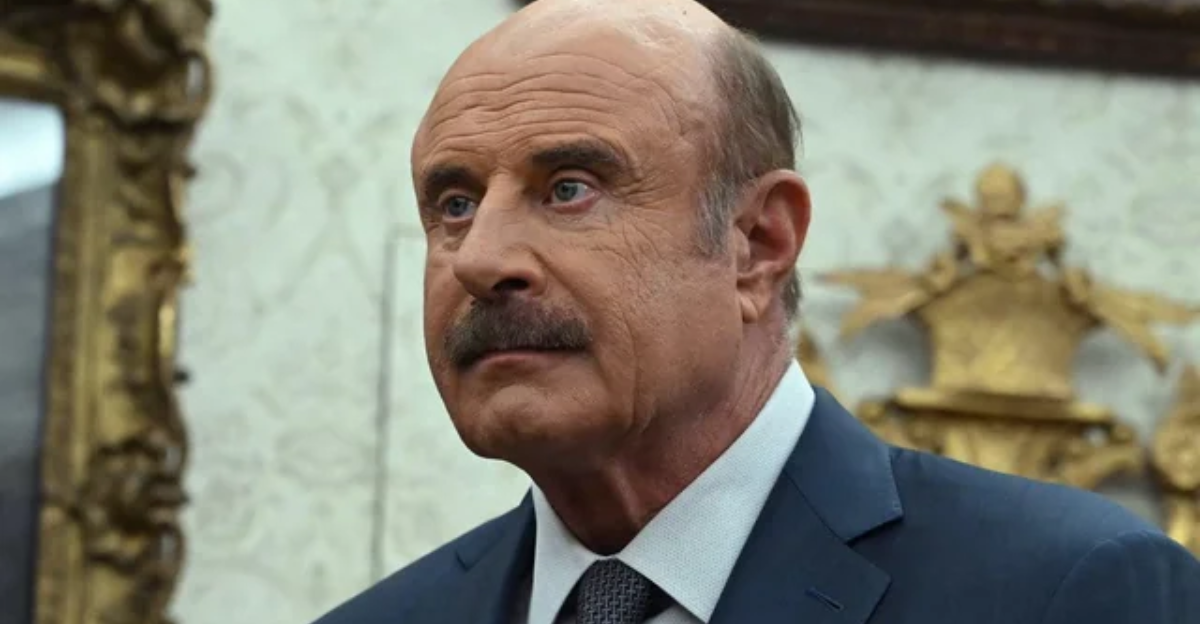
Peteski Productions and TBN, a significant religious network, formed a special, high-stakes partnership that combined celebrity-led content with faith-driven broadcasting. Their acrimonious legal battle highlights the vulnerability of these cross-sector partnerships when conflicting goals, principles, and commercial strategies collide.
This case is a unique intersection of faith, business ethics, and celebrity influence because of the religious betrayal narrative, a Christian broadcaster accusing Dr. Phil of exploitation, which adds emotional and cultural complexity. This scenario can be used as a framework to highlight the dangers of partnerships with political or religious motivations entering commercial media endeavors without aligned governance.
Potential Repercussions: Industry Ripple Effects

A $500 million celebrity-backed media project’s liquidation could have a number of secondary and third-order effects. Investor caution may rise if it discourages other celebrities from starting similar businesses. For partners with high public profiles, networks may enforce more stringent governance and due diligence requirements.
The publicity surrounding the scandal may lead to regulatory scrutiny of bankruptcy transparency, especially in situations where evidence is destroyed. A drop in consumer trust in celebrity media brands could have an effect on industry partnership agreements and advertising revenues. Additionally, the fallout might push competitors to buy cheap assets, hastening the trend of media consolidation under big conglomerates and altering the competitive environment.
The Model of “Trust Cascade Failure”

This case serves as an example of what is known as a “Trust Cascade Failure” in media endeavors—a failure that starts with a breach of trust at the leadership level and escalates into legal disputes, contractual disputes, reputational harm, and finally financial collapse. A breach of trust is revealed by the deleted text; lawsuits demonstrate the deterioration of partnership trust; bankruptcy demonstrates the breakdown of financial trust; and liquidation verifies systemic failure.
This framework emphasizes how broken trust in multi-layered partnerships can hasten business demise beyond financial metrics alone, providing analysts and industry observers with an organized lens through which to assess failures in celebrity-backed businesses.
The Quickest Collapse of a Celebrity Media Empire
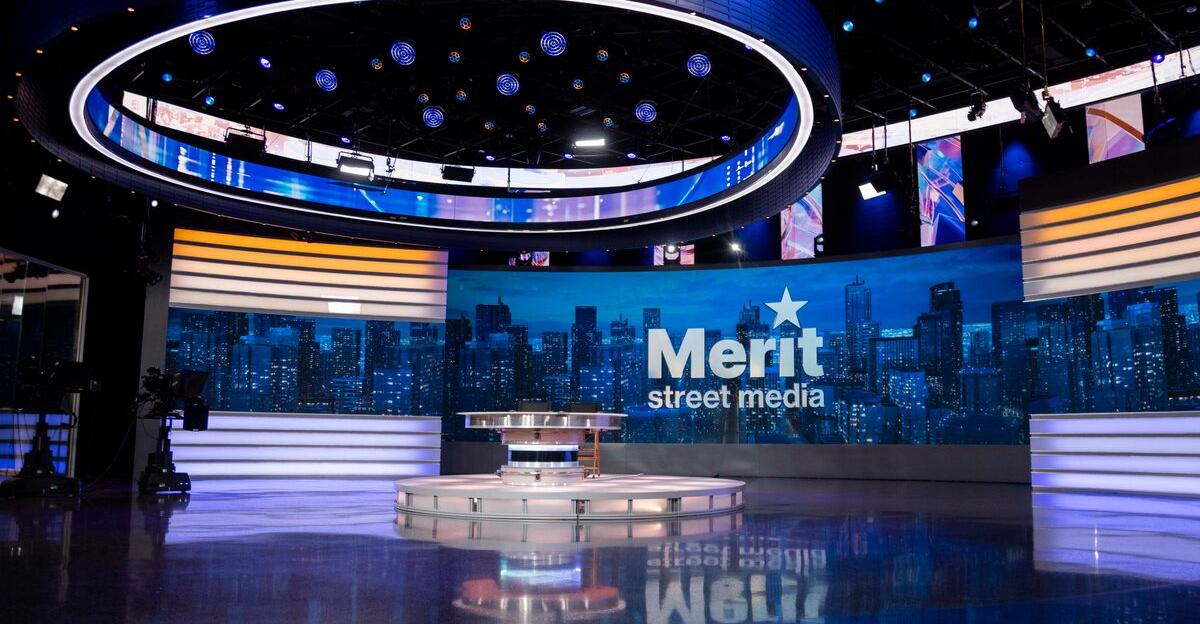
Merit Street Media’s demise ranks among the shortest celebrity-backed media startups ever, with an 18-month life cycle from launch to liquidation and just three months of active operations. In contrast to prosperous media conglomerates such as Ryan Seacrest’s endeavors or Oprah Winfrey’s OWN network, this swift demise exposes serious operational and moral shortcomings.
It offers an extreme case study that highlights the dangers of celebrity endeavors that disregard strict governance, the lack of strategic resilience, and the effects of legal dysfunction. This case may be used by academics and business professionals to improve predictive models for the success of startups in the entertainment sector.
The Dr. Phil Bankruptcy Blow: Some Takeaways
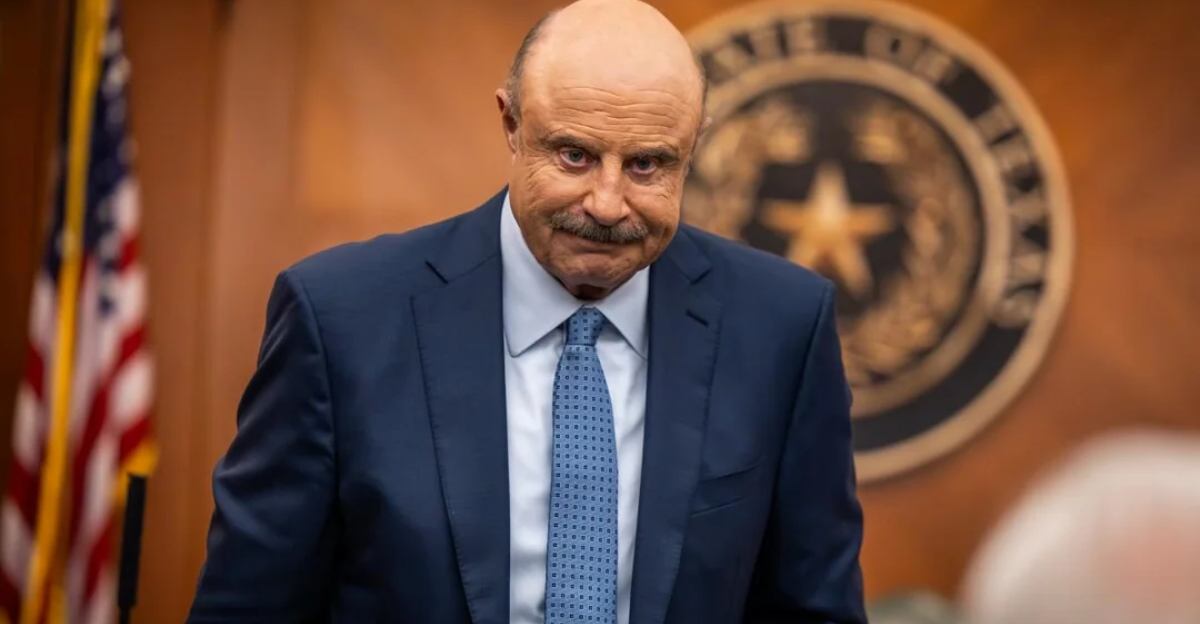
The bankruptcy liquidation of Merit Street Media teaches important lessons about humility, trust, and governance in celebrity businesses. No star power can protect a business from legal and financial accountability, as evidenced by the conversion from Chapter 11 to Chapter 7, which was supported by evidence tampering and creditor disputes.
The fallout calls into question the notion of celebrity invincibility, highlights dangers at the nexus of religion and business, and necessitates more stringent operational and ethical guidelines for media startups. In order to avoid quick collapse and damaged legacies in a harsh industry, future endeavors must prioritize transparency, align stakeholder interests, and be ready for harsh market realities.

