

The candlelight catches the polished wood grain, butter and sage scent the air, and somewhere a child’s laughter rings clear. Yet between these moments, a familiar tension surfaces—are the napkins folded just so, the cards mailed in time, every detail perfected. For decades, American families have operated under the assumption that flawless celebrations demand flawless etiquette, rigid guidelines handed down like precious heirlooms. But a quiet revolution is reshaping what it means to celebrate well, and etiquette authorities are not just accepting the shift—they’re championing it.
Experts Explain Why Traditions Fade

Reverend Dr. August Abbott, an etiquette coach, identifies three reasons customs disappear: they are forgotten, they no longer align with contemporary society, or people decide they value peace of mind more than protocol. This third reason dominates today’s holiday landscape. Maralee McKee, founder of The Etiquette School of America, distills the movement’s philosophy: “The heart of the holidays is love in action. Any expression of love in word or deed, whether through sharing a meal, giving or receiving a gift or card, or helping someone in need, will never be outdated.” Christine Carmichael, CEO of The Flemming Academy of Etiquette & Protocol, adds that bringing a host gift remains “timeless”—the one gesture that transcends all change.
Twelve Rules Being Rewritten

The transformation touches nearly every aspect of seasonal gatherings. Assigned seating, once meticulously planned to control conversation and social hierarchy, has given way to open seating that lets guests choose companions and dialogue flows naturally. The segregated kids’ table, long a painful rite for adult children, is disappearing as families integrate all ages to foster cross-generational connection.
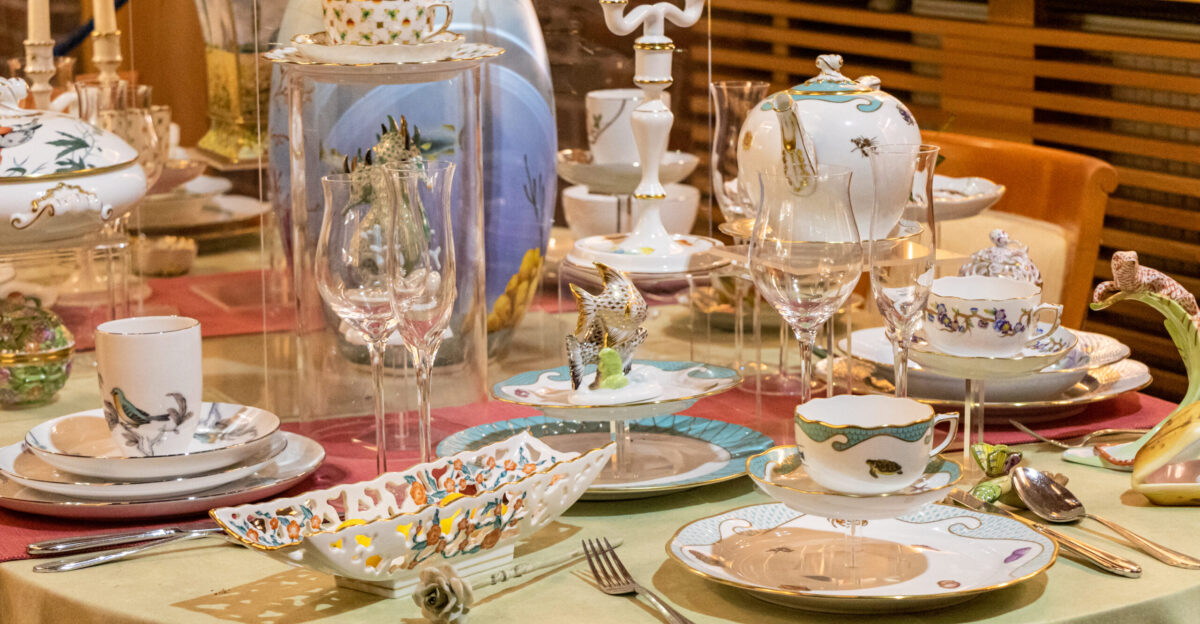
Formal dishware requirements have dissolved—McKee asserts hosts alone determine formality, whether that means heirloom china or festive disposable plates. Dress codes have relaxed from mandatory tuxedos to comfortable attire that reflects the event’s tone. The December card-mailing marathon is optional; digital greetings carry no social penalty. Decorations appear earlier each year, with many starting on November 1st to extend the festive window in an increasingly unpredictable world.
The solitary host cooking everything from scratch is no longer the ideal—guests contributing dishes transforms meals into collaborative celebrations. Gift exchanges have shed their transactional nature; reciprocity is no longer necessary, and a sincere thank-you is often enough for unexpected presents. Regifting, once taboo, now earns mainstream acceptance—a YouGov poll confirms most Americans approve, provided items are new and thoughtfully chosen. RSVP protocols prioritize honest communication over formalities, and thank-you notes have transitioned to digital formats, with prompt texts often valued over delayed handwritten letters. Perhaps most significantly, family traditions themselves are recognized as evolving, rather than being sacred, though experts caution that abrupt changes warrant sensitive discussion.
The Human Impact of Letting Go
What emerges across American households is not a decline in standards but a profound cultural pivot from performance to authenticity. Millennials and Gen Xers are increasingly following retail-inspired timelines not out of impatience, but rather a desire to maximize joy. When hosts ask guests to contribute dishes, they gain a sense of presence and reduce feelings of isolation. When families abandon hierarchical seating, they create space for genuine connection. The shift represents a collective question: what actually matters? The answer, consistently, is comfort over ceremony, meaning over manners.
The Only Unbreakable Rule

While the etiquette playbook transforms, one principle remains constant: showing appreciation to hosts. Whether through wine, artisan chocolates, or a meaningful item for their home, this gesture acknowledges effort and honors hospitality. McKee’s wisdom circles back to the core truth beneath every evolving custom—love, freely and genuinely expressed, is the sole requirement. All else is detail.
This season, millions of families are rewriting the rules together. The pressure to achieve an idealized performance has lifted, replaced by permission to celebrate in ways that reflect individual values, budgets, and capacities. The holidays are not a production to perfect but an invitation to connect, nourish, and love. That is the only etiquette that matters.
Sources
Southern Living Magazine — Holiday etiquette expert interviews and trend analysis (2025)
The Etiquette School of America — Maralee McKee, founder and etiquette authority
The Flemming Academy of Etiquette & Protocol — Christine Carmichael, CEO and etiquette expert
YouGov Consumer Survey — December 2024 poll on holiday etiquette and regifting acceptance rates
Reverend Dr. August Abbott — Etiquette consultant and cultural analysis
